


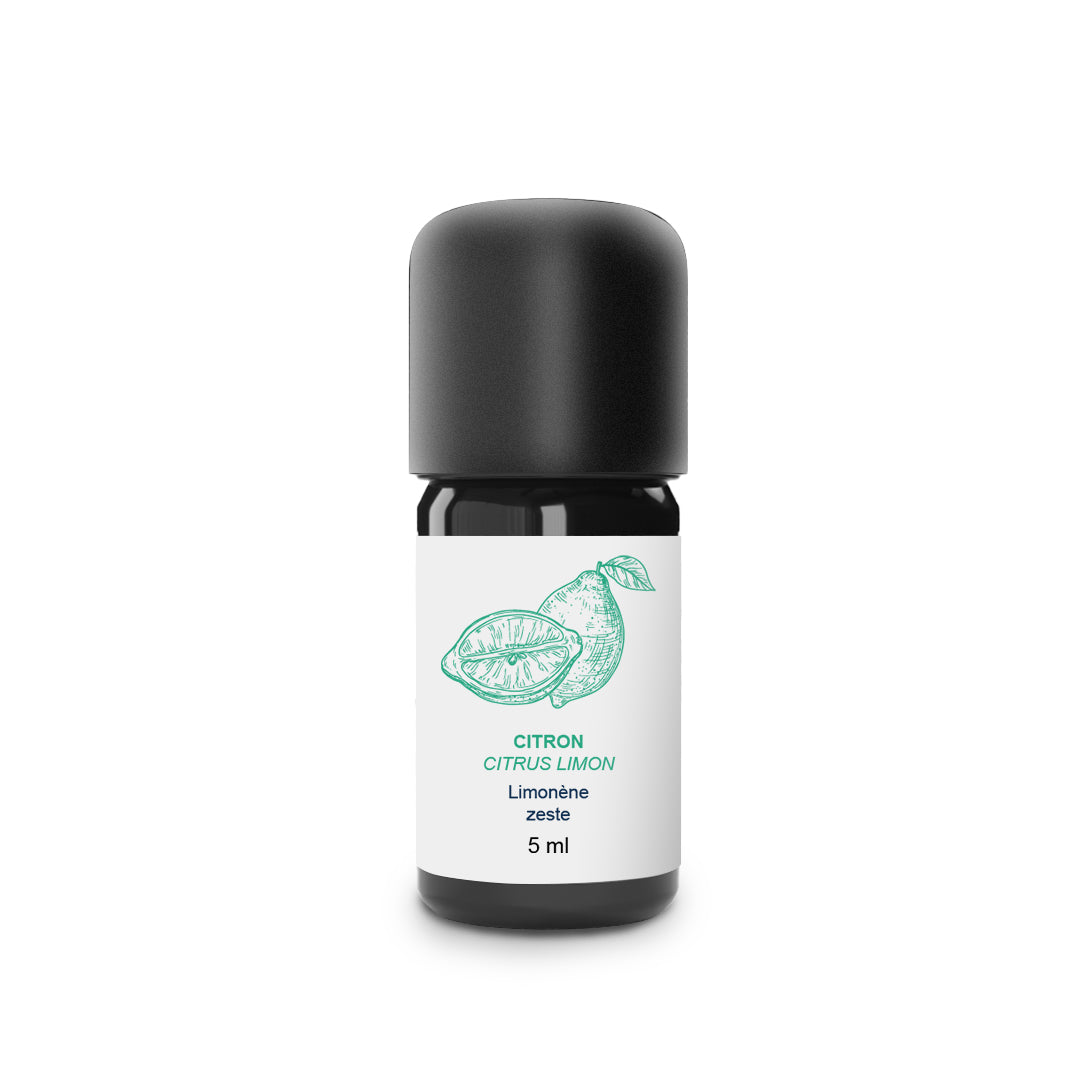
Découvrez notre Lemon Essential Oil 100% Organic and Handcrafted
The Lemon (Citrus Limon), an emblematic citrus fruit of the Rutaceae family, has been appreciated for centuries for the vibrancy of its fruit and the richness of its zest. Originating from Asia, it has flourished around the Mediterranean basin, becoming a staple in our kitchens and gardens, a symbol of freshness and vitality. Essenciagua’s Lemon essential oil is carefully extracted from the zest of organic fruits sourced from Italy.
Its essential oil is a wonderful aroma to enhance your culinary creations, from pastries to refreshing drinks, or as a dietary supplement. Its fragrance, delicate and richly complex, offers a fresh, sparkling, and lively olfactory signature. A true invitation to clarity and good mood, it awakens the senses and brings a touch of brightness and energy to your environment.
 Agriculture Biologique : label français garantissant un mode de production respectueux de l'environnement, sans pesticides ni engrais chimiques de synthèse.
La Plante Lemon
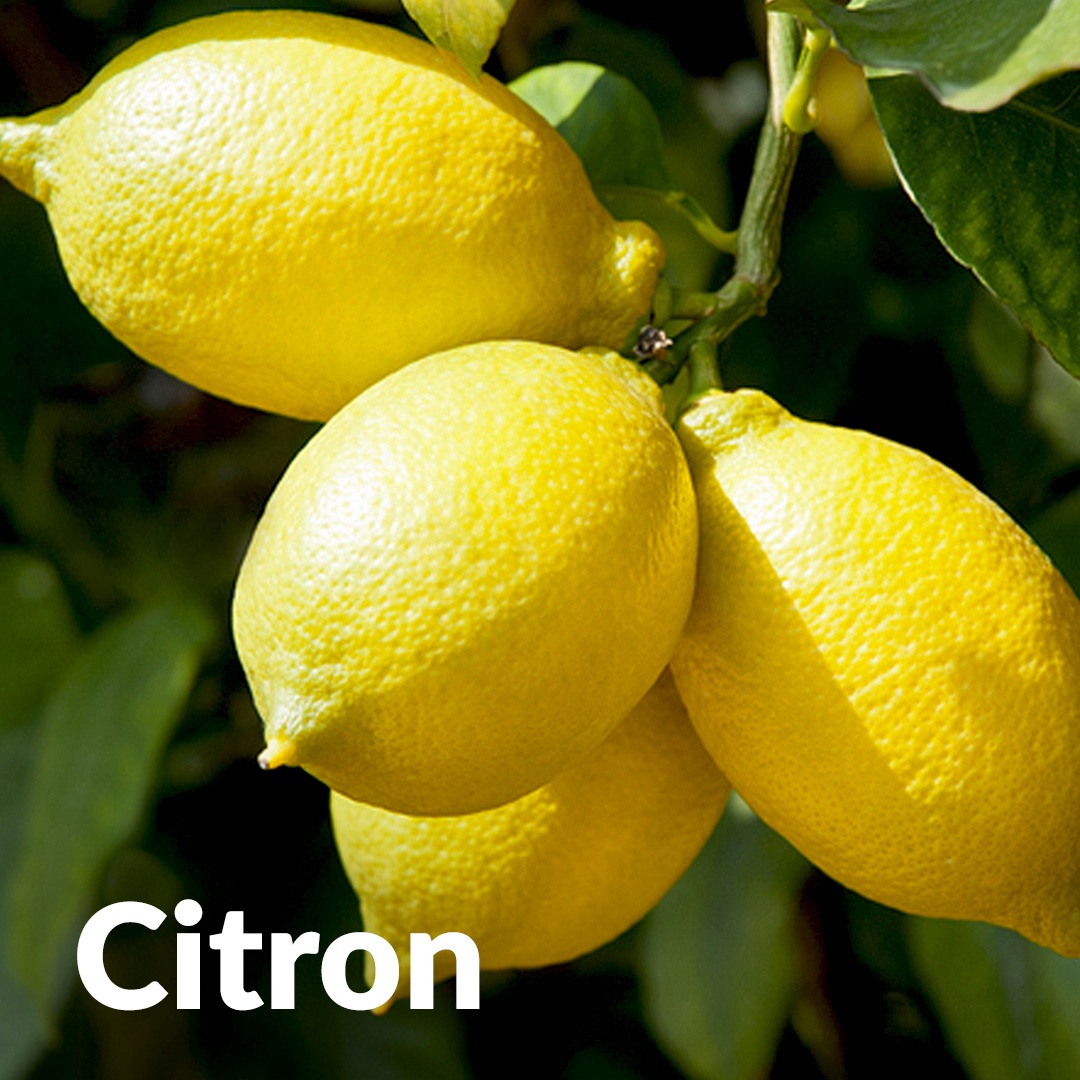
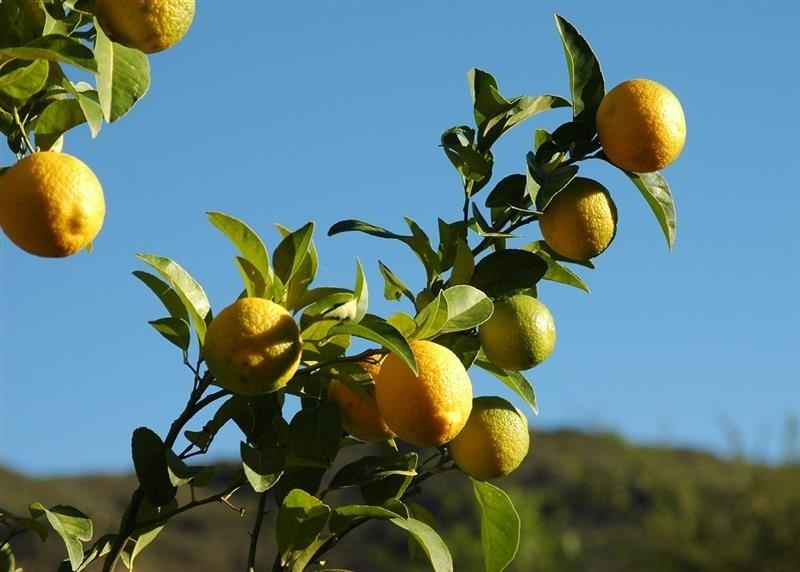
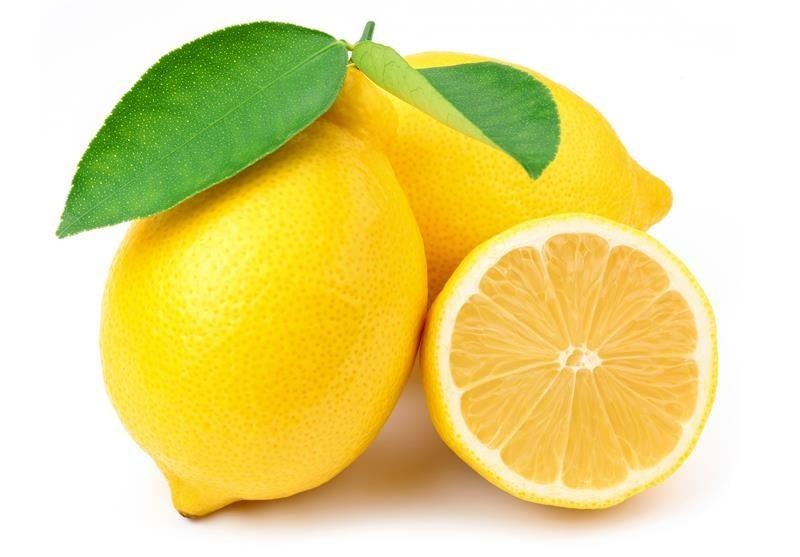
Partie de la plante: Zest
Origine: Italy
Lemon is a citrus fruit of the Rutaceae family, with a fresh, strong fragrance. It is the fruit of a small tree, less than 5m high, originally from China, introduced to the Mediterranean region in the 12th century and cultivated in Sicily from the 14th century. During the Renaissance, Lemon was used to dispel bad smells, prevent contagion and keep breath fresh. James Cook, the famous 18th-century navigator, had his sailors take a few lemons with them to prevent scurvy. Today, Lemon is used to stimulate the body and as an aseptic diffuser. It is also widely used in cooking to season fish dishes, desserts and beverages.
Publications scientifiques
Une sélection d'études issues de PubMed portant sur cette plante.
-
Mechanistic insights into a compound essential oil (lemon-Angelica sinensis-Boswellia) for anxiety-melasma comorbidity: An integrated network pharmacology and experimental study.
This study investigated a blend of essential oils (lemon, angelica, boswellia) and found that it reduced tyrosinase activity and pro-inflammatory cytokines in vitro. In mice, it alleviated anxiety-related behaviors.
-
Efficacy of aromatherapy for motion sickness: A self-controlled pre-post trial.
A study found that aromatherapy using lemon essential oil significantly reduced symptoms of motion sickness, such as nausea, during bus trips.
-
The Effect of Lemon Aromatherapy on Nausea and Vomiting During Pregnancy: A Systematic Review.
A systematic review examined the use of lemon aromatherapy for nausea and vomiting during pregnancy. Most of the included studies reported a significant reduction in the severity and frequency of these symptoms.
-
Effect of Lemon Inhalation Aromatherapy on Postoperative Pain, Nausea and Vomiting, Delirium, and Inflammatory Markers After Coronary Artery Bypass Grafting: A Triple-Blind Randomized Trial.
This study found that aromatherapy involving the inhalation of lemon significantly reduced postoperative pain, nausea, vomiting, delirium, and inflammatory markers following heart surgery.
-
Screening natural raw materials and product development for improving insomnia based on network pharmacology and data mining.
This study used computational methods to identify natural raw materials and an aromatherapy product (sandalwood, lime, angelica, ylang-ylang, sage, lavender), and a network-based pharmacological analysis was conducted to explore their mechanisms of action related to insomnia.
-
Effectiveness of non-pharmacological treatments in lowering blood pressure in pregnant women with hypertension: A systematic review.
A systematic review found that lavender aromatherapy, combined with classical music, helped lower blood pressure in pregnant women in some studies.
-
[The effect of long-term exposure to essential oils on the psychoemotional state and mental performance of elderly people.].
A study found that inhaling several essential oils (clove, coriander, lavender, lemon, rosemary, savory) reduced anxiety and depression and improved mental performance in older adults. Some of these oils also improved mood and promoted relaxation.
-
Aromatherapy Experiences of Intensive Care Nurses Regarding Sleep and Fatigue: A Phenomenological Study.
Intensive care nurses reported that aromatherapy helped them manage fatigue and sleep problems, improving their well-being and work-life balance.
-
Assessment of co-toxicity and synergistic action mechanism of essential oils derived from Citrus plants against Anopheles stephensi and Culex quinquefasciatus.
This study found that combinations of Citrus essential oils (lime, lemon, mandarin) exhibited a synergistic effect, increasing their toxicity against Anopheles and Culex mosquito larvae.
-
Upcycling lemon peel waste into sustainable bioactive ingredients: chemical characterization and efficacy assessment.
This study showed that lemon peel extracts, obtained using a sustainable method, possess antioxidant and antimicrobial properties. They also demonstrated good biocompatibility and preliminary beneficial effects on skin hydration and elasticity.
-
Longitudinal profiling of acute phase and cytokine responses in sheep supplemented with lemon essential oil during summer season.
This study found that lemon essential oil influenced immune and inflammatory responses in sheep subjected to heat stress, particularly by reducing a pro-inflammatory marker (TNF-α).
-
Larvicidal activity of essential oils and nanoemulsions against Culex pipiens larvae (Diptera: Culicidae).
This study found that dill essential oil exhibited the strongest larvicidal activity against Culex pipiens mosquito larvae. Botanical formulations, particularly those based on dill, could be promising alternatives for vector control.
-
Intra-Species Response Variability of Listeria monocytogenes and Salmonella enterica to Lemon Essential Oils in Cheese- and Fish-Based Spreadable Foods.
A study found that freshly extracted lemon essential oils exhibited significant antimicrobial activity against Listeria monocytogenes and Salmonella enterica in fish-based spreads. In particular, they inactivated Listeria within 24 hours.
-
Citrus Essential Oil Nanoemulsions Mitigate Cardiac, Hepatic, and Pancreatic Injury in High-Fat Obese Rats via Adiponectin/SIRT1/Nrf2 Signaling Pathways.
A study of obese rats found that nanoemulsions of Citrus japonica essential oil reduced hepatic steatosis and alleviated obesity-induced heart and pancreatic damage.
-
Activity of thieves-type protective blends and their individual components (cinnamon, clove, rosemary, eucalyptus and lemon essential oils) against Staphylococcus pseudintermedius strains isolated from canine otitis externa.
This in vitro study found that "Thieves"-type essential oil blends, particularly those containing cinnamon and clove, exhibited strong activity against the bacterium Staphylococcus pseudintermedius, which is often implicated in canine ear infections.
-
Factors Influencing Biofilm Formation of Salmonella spp. and the Biofilm-Degrading Potential of Essential Oils.
This study found that essential oils such as ajowan, thyme, and oregano can inhibit the formation of Salmonella biofilms and reduce existing ones.
-
Development of an eco-friendly mosquito larvicide for dengue/chikungunya vector control.
This study found that essential oils from several plants, particularly in binary combinations, demonstrated larvicidal potential against Aedes aegypti mosquito larvae, with some formulations achieving 100% mortality.
-
Solvent-free microwave-assisted extraction: Enhancing bioactive molecules retention in citrus post-distillation residue using green extraction approach.
This study explored an extraction method (SFME) for lemon residues after distillation. It showed that, under certain conditions, this method was effective for several of the compounds and biological properties measured.
-
Effectiveness of aromatherapy on physiological and psychological symptoms during pregnancy: a systematic review and meta-analysis.
A systematic review and meta-analysis found that aromatherapy significantly reduced nausea, vomiting, and anxiety in pregnant women and improved sleep quality.
-
Effect of Aromatherapy for Postoperative Pain Management in the Postanesthesia Recovery Room: A Systematic Review.
This systematic review found that aromatherapy—which involves inhaling various essential oils—was effective in relieving postoperative pain. It also showed a reduction in blood pressure, heart rate, and nausea.
-
Acupuncture and Herbal Medicine for Nausea and Vomiting in Pregnancy: An Overview and Quality Assessment of Systematic Reviews.
This systematic review found that acupuncture and certain herbs, such as ginger, may be effective in relieving nausea and vomiting during pregnancy. Aromatherapy treatments, such as lemon, have also shown beneficial effects.
-
Treatments of psychosomatic symptoms in Alzheimer's disease: a scoping review of the potential therapeutic effects of essential oils.
This review of in vitro and in vivo studies found that various essential oils may have a positive effect on memory, learning, and certain behavioral and cognitive symptoms associated with Alzheimer's disease.
-
Clinical efficacy of olfactory training using aromatic traditional Chinese medicine in managing olfactory dysfunction induced by SARS-CoV-2.
The study found that olfactory training using traditional Chinese medicine aromatics can improve odor discrimination and identification, as well as sleep quality and anxiety, in patients with post-COVID-19 olfactory dysfunction.
-
Outcomes of Aromatherapy in Nausea and Vomiting After Total Knee Arthroplasty.
A study found that aromatherapy using peppermint essential oil reduced the amount of antiemetics used to treat postoperative nausea and vomiting.
-
Aromatherapy and Essential Oils: Holistic Strategies in Complementary and Alternative Medicine for Integral Wellbeing.
This review indicates that aromatherapy and essential oils can be effective complementary strategies for alleviating various psychological and physiological symptoms and improving overall well-being.
-
Scenting serenity: influence of essential-oil vaporization on dental anxiety - a cluster-randomized, controlled, single-blinded study (AROMA_dent).
This study found that the use of essential oil vaporizers was associated with a slight reduction in acute anxiety among dental patients, particularly among women and those with higher baseline anxiety.
-
Preliminary Insights into the Antigenotoxic Potential of Lemon Essential Oil and Olive Oil in Human Peripheral Blood Mononuclear Cells.
A preliminary study found that lemon essential oil significantly reduced DNA damage in human blood cells, suggesting it may offer protection against oxidative stress.
Nos recettes 1-2-3

Recipe 1,2,3 Confort digestif with Lemon, Spearmint
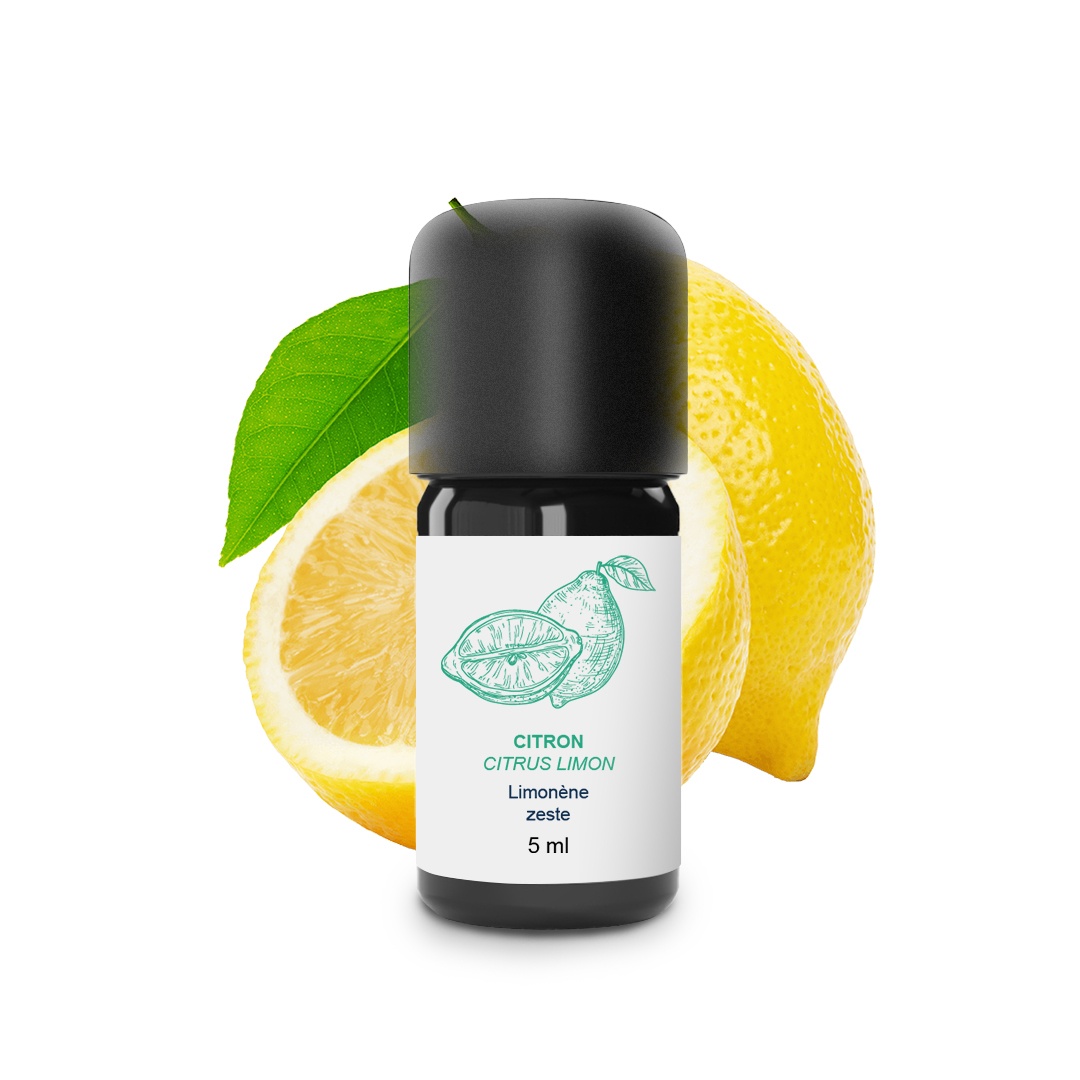
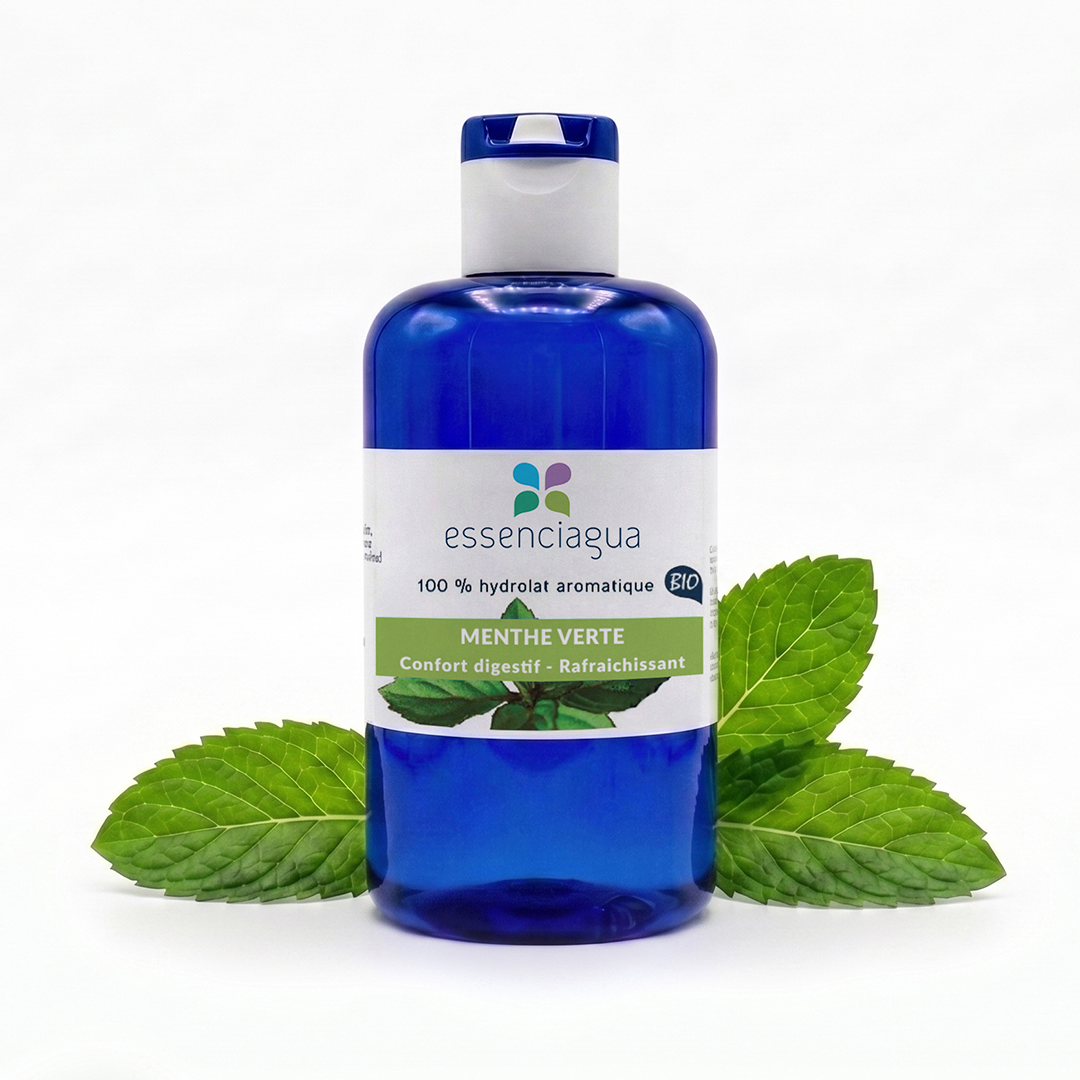
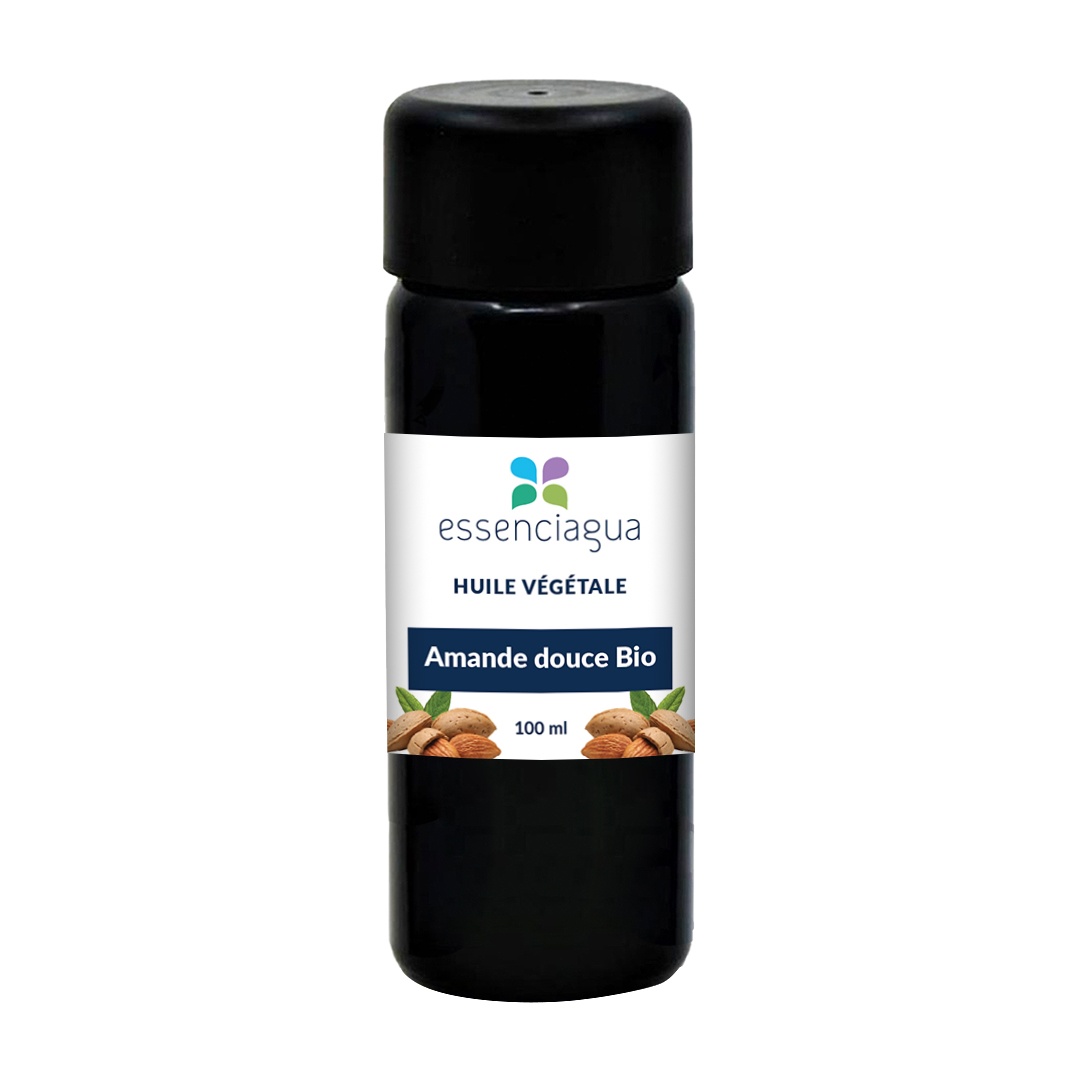
Treat yourself to a moment of gentle comfort for your digestive well-being. The freshness of Lemon and Spearmint envelops you in a pleasant sensation.

Recipe 1,2,3 Confort en Voyage with Lemon, Peppermint
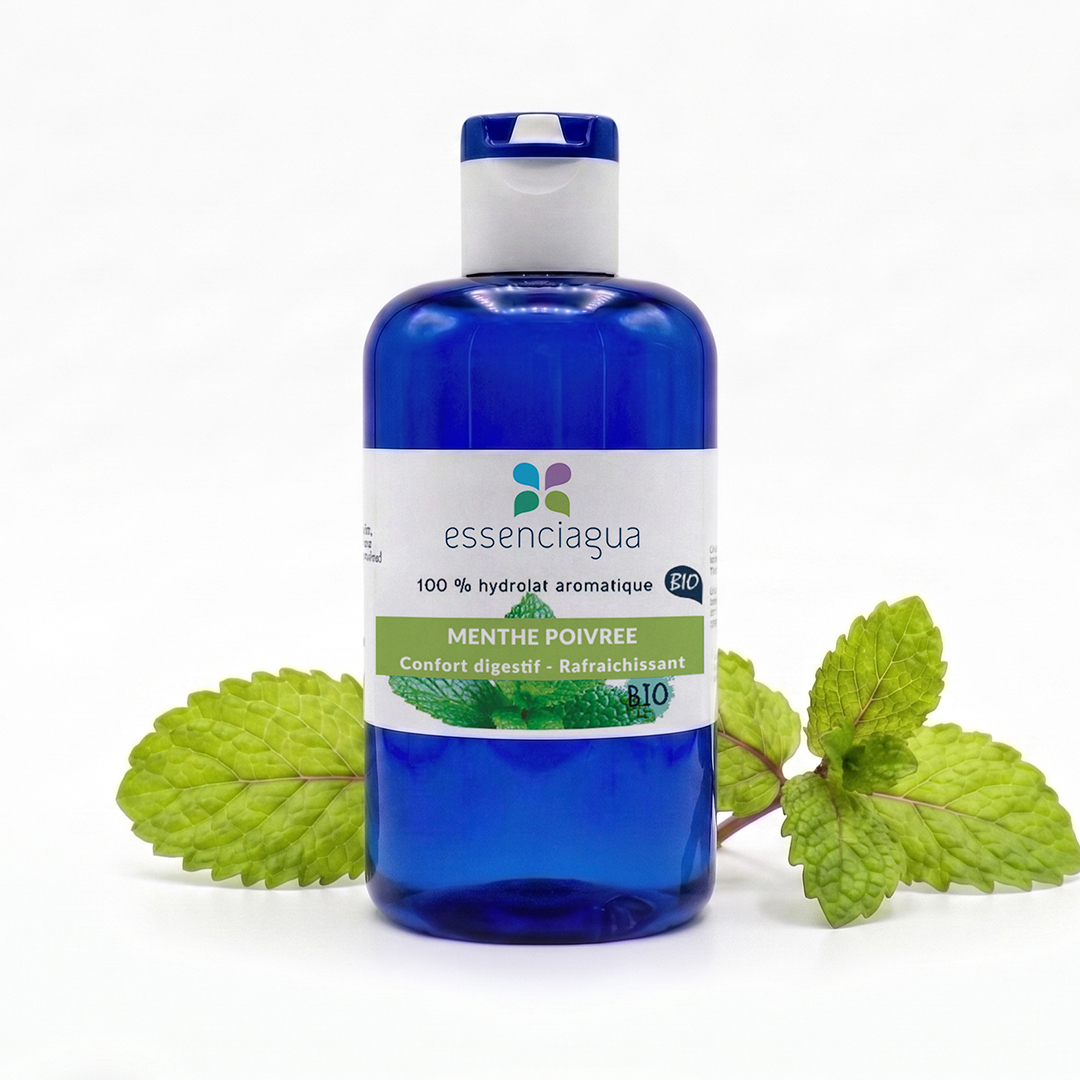
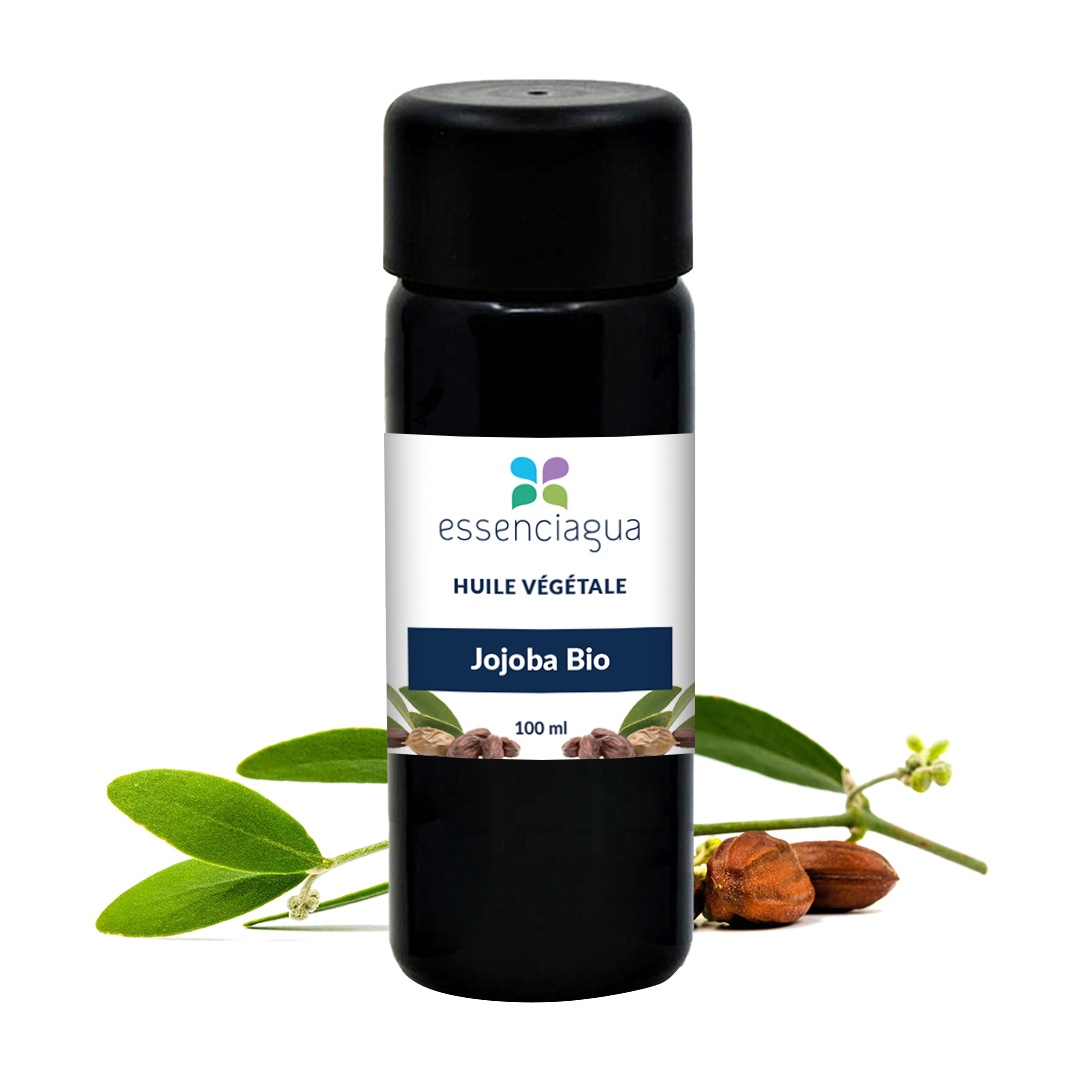
Prepare your mind for travel with this refreshing mist. The invigorating blend of Lemon and Peppermint offers you a moment of comfort and lightness.

Recipe 1,2,3 Haleine fraîche with Lemon, Spearmint
For a feeling of purity and a pleasantly refreshed breath. Let Spearmint and Lemon awaken your senses.

Recipe 1,2,3 Confort Éliminatoire with Lemon, Peppermint
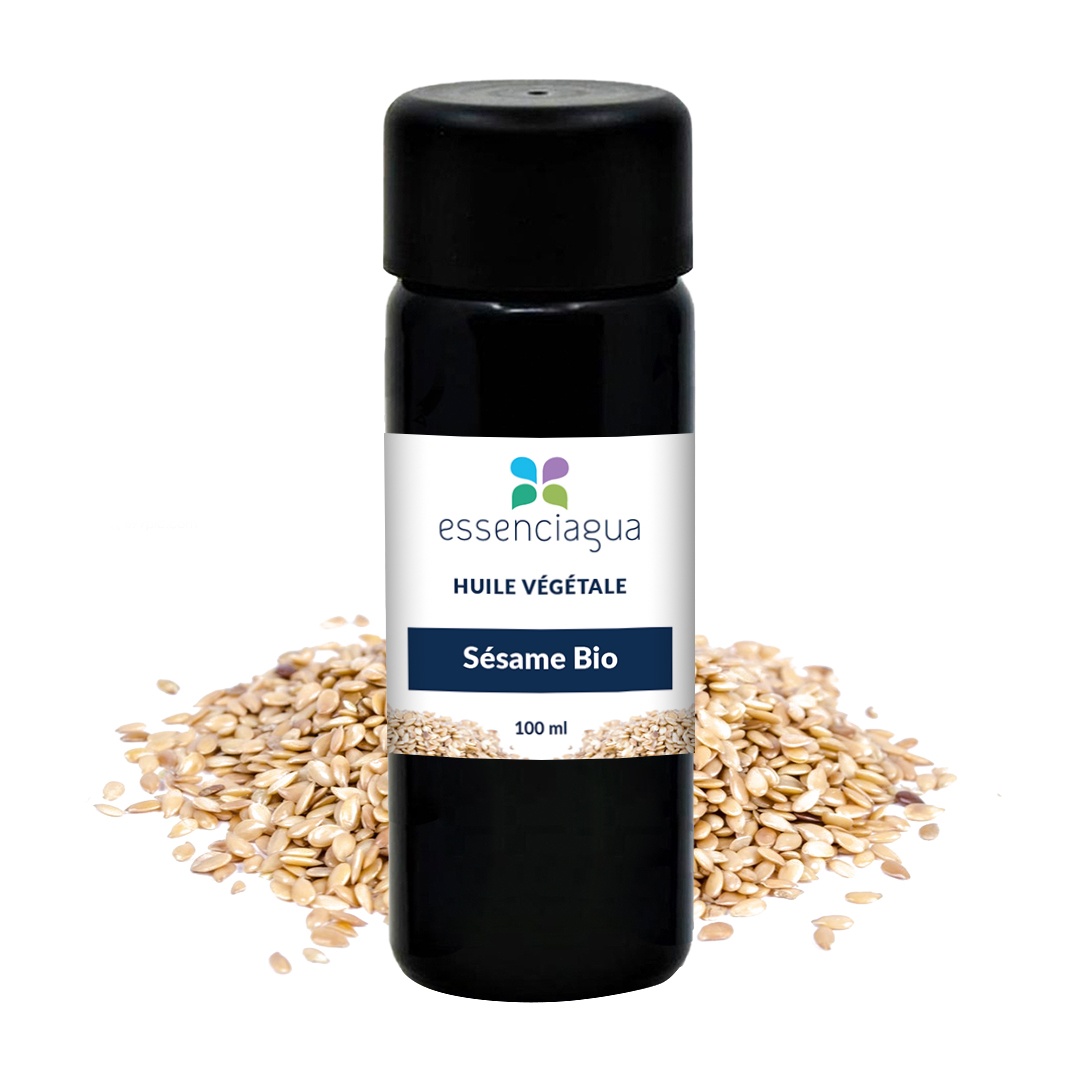
Experience a sensation of lightness and well-being with this refreshing synergy. Lemon and peppermint unite for a moment of comfort.
Pourquoi ce produit
This Lemon essential oil is characterized by fresh and luminous notes. It brings a clear aromatic signature to olfactory routines, with a more direct expression than very complex compositions.
Notre qualité
Essenciagua prioritizes selected raw materials, controlled transformation processes, and an approach attentive to the quality of the finished product. When the supply chain allows it, the company favors local or regional productions and small-batch production.
Idées d'utilisation
- In diffusion to create an aromatic ambiance.
- Diluted in a carrier oil for appropriate topical application.
- In a homemade cosmetic preparation, observing the usual precautions.
- In combination with a hydrosol or a compatible carrier oil.