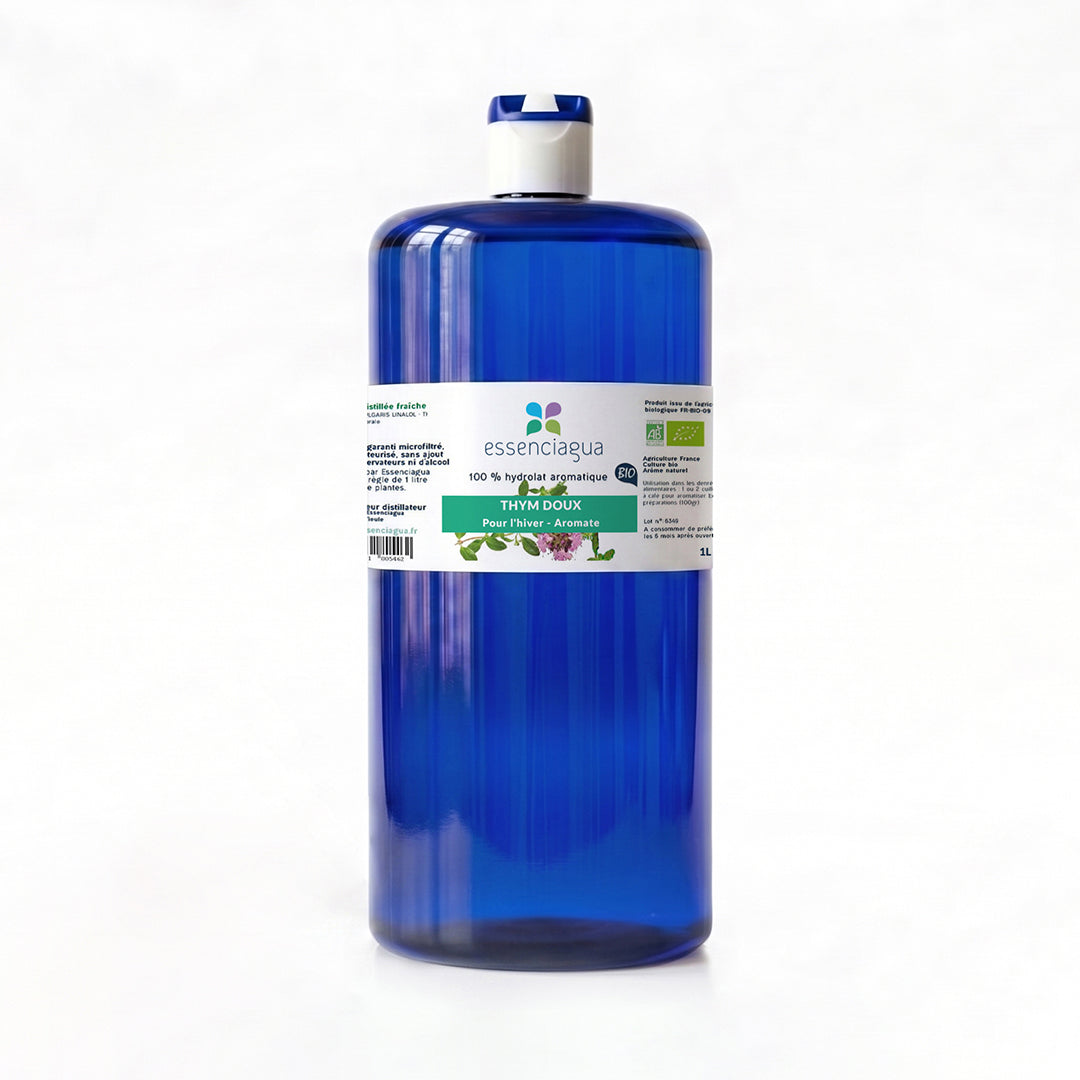
Découvrez notre Sweet Thyme Hydrolat 100% Organic and Handcrafted
Common Thyme (Thymus Vulgaris) is an emblematic plant of the Mediterranean basin, valued since Antiquity for its aromatic qualities and robust nature. Its small leaves and flowering tops are a staple of Herbes de Provence, evoking the sunny landscapes of the garrigue.
At Essenciagua, we carefully distill the flowering tops of Sweet Thyme, freshly harvested in France, in the heart of Occitania, thus guaranteeing the purity and richness of our organic hydrolat.
Its unique aromatic profile makes it a choice ingredient to flavor your stews, sauces, and marinades, bringing a Mediterranean touch to your cooking. As a mist or lotion, its herbaceous, fresh, and slightly spicy fragrance offers a sensation of purity and vitality. It invites a moment of well-being, recalling the invigorating scents of the Provençal hills and contributing to a refreshing atmosphere.
 Agriculture Biologique : label français garantissant un mode de production respectueux de l'environnement, sans pesticides ni engrais chimiques de synthèse.
 Sud de France / Occitanie : produit issu de la région Occitanie, valorisant le savoir-faire et les ressources locales.
 Made in France : produit fabriqué en France, garantissant un savoir-faire local et des standards de qualité français.
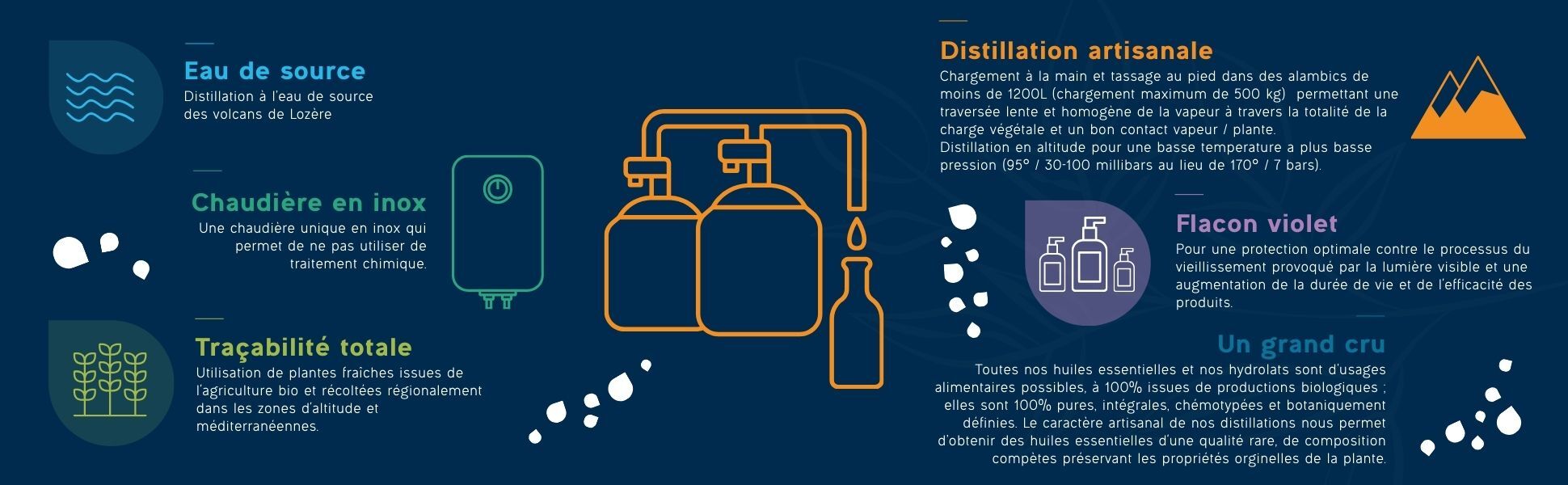
 Distillation maison : produit distillé dans nos propres alambics, pour une maîtrise complète de la qualité.
La Plante Sweet thyme
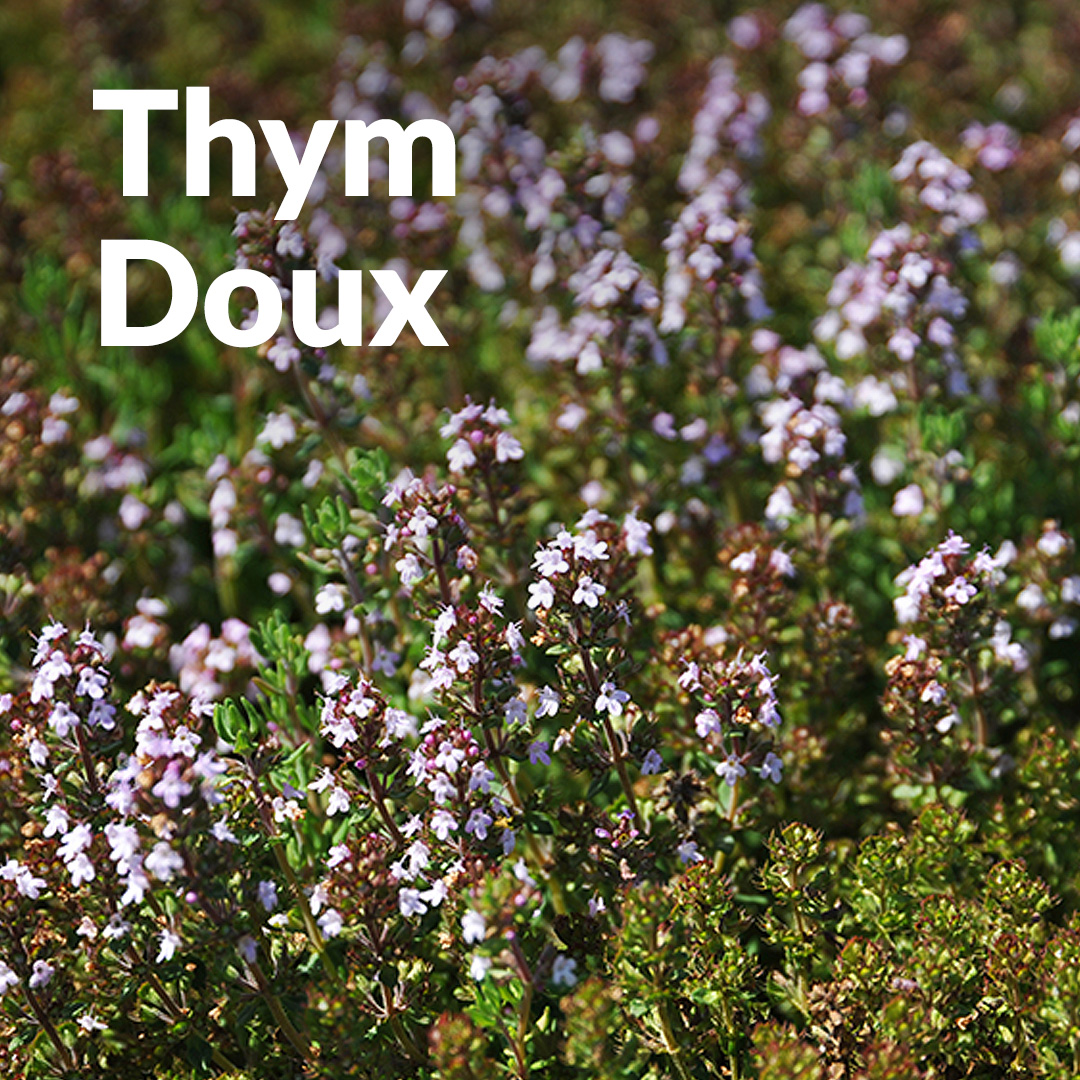
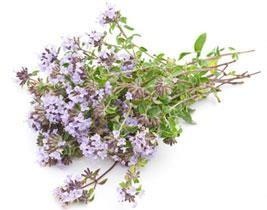
Partie de la plante: Flowering Summit
Origine: France
An aromatic evergreen, Thyme is a genus of plant belonging to the Lamiaceae family. It comes in several varieties. Among the best-known are Common Thyme and Wild Thyme.
Thyme is a small plant that thrives in well-drained, sunny soil. As such, it is particularly fond of the Mediterranean.
Although the origin of its name is uncertain, it was used in ancient times by the Greeks and Romans as incense or perfume. From the Middle Ages onwards, its use spread as an aromatic and culinary aid.
Highly prized for its fragrance, it is also used in aromatherapy. Its virtues are mainly linked to the presence of phenols (thymol and carvacrol) and monoterpenols (geraniol, linalool, terpineol, thujanol), whose varying concentrations according to biotope and harvesting period determine six different chemotypes.
Sweet thyme is prized for its linalool content. Before winter, Sweet Thyme Hydrolat will help you prepare for winter ailments.
Publications scientifiques
Une sélection d'études issues de PubMed portant sur cette plante.
-
Protective effects of dietary Ocimum basilicum and Thymus vulgaris essential oils on growth performance, immune response, and disease resistance following challenge with Aeromonas hydrophila in Nile Tilapia (Oreochromis niloticus).
This study found that adding basil or thyme essential oils to the diet of Nile tilapia improved their growth, strengthened their immune systems, and increased their resistance to bacterial infection.
-
Chemical fingerprints of Lamiaceae essential oils: targeting biofilm viability, biomass, metabolic activity, and membrane integrity.
This study found that thyme and rosemary essential oils exhibited promising antibacterial and antibiofilm activities, reducing bacterial viability and biofilm biomass, with low toxicity.
-
Mitigating lipid oxidation in meat products using nano-formulated essential oils and plant extracts: a systematic review.
This systematic review found that nano-formulated essential oils and plant extracts effectively reduce lipid oxidation in meat products, extending their shelf life and improving their sensory quality.
-
A high-amylose maize starch hydrogel mask for stabilized encapsulation of thyme essential oil with Higuchi-controlled release.
This study developed a hydrogel mask for thyme essential oil, enabling a stabilized and sustained release. It demonstrated antibacterial and antioxidant activity, as well as good biocompatibility.
-
Dietary thyme essential oil supplementation improves production performance, egg quality, antioxidant status, and intestinal health in late-phase laying hens.
A study found that adding thyme essential oil to the diet of older laying hens improved their egg production, egg quality, antioxidant status, and gut health.
-
Essential oils promote antibacterial and antiviral defense across species.
This study found that a specific blend of essential oils, when added to the diet, improved disease resistance in aquatic species such as zebrafish and carp.
-
Bioactive additive for modulation of immune responses and gut microbiota in weanling pigs: In vitro and in vivo study.
This study found that an additive containing thymol and carvacrol reduced diarrhea and promoted a healthy gut microbiota in weaned piglets, without affecting their growth.
-
Nanoencapsulated EO-based drug delivery for pest control: from chemistry to formulation design.
This scientific review examines the potential of essential oils as biopesticides. It highlights how nanoencapsulation can improve their effectiveness and stability for sustainable pest management.
-
Chitosan‑sodium alginate-thyme essential oil Pickering emulsions: Preservation efficacy and protection of myofibrillar protein structure in refrigerated pork.
This study showed that an emulsion made from thyme essential oil could extend the shelf life of refrigerated pork by 4 to 6 days by limiting microbial growth and oxidation.
-
Bioactive chitosan based coating incorporated with essential oil to inactivate foodborne pathogen microorganisms and improve quality parameters of beef burger.
This study found that oregano and thyme essential oils, combined with a chitosan coating, reduced pathogenic bacteria and improved the quality and shelf life of ground beef patties.
-
Sodium alginate-green synthetic nano-silica/chitosan-thyme essential oil bilayer film for tomato preservation.
This study found that a film containing thyme essential oil and silica nanoparticles improved the shelf life of tomatoes, reducing their spoilage and respiration.
-
Monoterpene-Rich Nanoemulsion from Thymus vulgaris as a Promising Acaricidal Strategy Against Tetranychus mexicanus : Effects on Survival and Fecundity.
A study found that a nanoemulsion of Thymus vulgaris essential oil reduced the survival and fertility of the Tetranychus mexicanus mite, suggesting its potential as a botanical control agent.
-
Major Honey Bee Diseases and Possibilities to Control Them with Essential Oils.
This review suggests that essential oils such as thymol, carvacrol, and eugenol show promising activity against certain bee diseases, particularly varroosis, due to their antibacterial and antifungal properties.
-
Evaluation of the Effects of Wax Films Formulated With Thyme and Laurel Essential Oils on Chemical and Microbiological Quality Characteristics of Rainbow Trout Fillets During Storage.
This study showed that beeswax-based coatings enriched with thyme and bay leaf essential oils improve the freshness, texture, and nutritional quality of trout fillets, reducing their deterioration during storage.
-
Selective and time-dependent transfer of herb-derived terpenes into cow milk without sensory impacts.
This study showed that terpenes from herbs such as oregano and rosemary can be transferred into cow's milk within a few hours without affecting the sensory quality of pasteurized milk.
-
Essential oils compromise tegumental integrity in Sparicotyle chrysophrii: Insights from SEM and histological analyses.
This study found that certain essential oils, such as cinnamon and oregano, demonstrated strong antiparasitic efficacy against a fish parasite by damaging its external structure.
-
Impact of chitosan-thyme and chitosan-rosemary essential oil coatings on biochemical, oxidative, and volatile profiles of Turkish fermented sausage 'sucuk' during ripening.
This study found that coatings made from chitosan and essential oils of thyme or rosemary reduced fungal growth and lipid oxidation in fermented sausages without affecting their sensory qualities.
-
Olfactory enrichment - effects of odorised straw on exploratory behaviour, straw engagement, and play in finishing pigs.
This study found that scented straw—particularly straw scented with essential oils—significantly prolonged the pigs’ engagement with the straw and increased their play, rubbing, and rolling behaviors.
-
Medicinal plants as alternative and adjunct antimicrobial agents in ear, nose, and throat (ENT) Infections.
This literature review found that several medicinal plants and their essential oils exhibit antibacterial, antifungal, or antiviral activity in vitro against pathogens associated with ENT infections.
-
Synergistic anti-Candida effects of essential oil blends on biofilms at various maturation stages.
This study found that certain essential oils, including tea tree, cinnamon, and thyme, showed promising activity against Candida biofilms. Specific combinations even demonstrated strong synergy in inhibiting these biofilms.
-
Shrubs and trees as natural insect protection for grazing animals in Switzerland and the alpine region: A systematic review of in vitro, in vivo and clinical trials.
This systematic review identified several alpine trees and shrubs—including thyme, rosemary, and lavender essential oils—that have demonstrated repellent or insecticidal effects against mosquitoes and flies in laboratory and field experiments.
-
Essential Oils of Thymus Species Against Phytophthora Species: A Structured Review and Novel In Vitro Evaluations.
This study found that the essential oils of Thymus vulgaris and T. serpyllum exhibited dose-dependent antifungal activity against various species of Phytophthora, which are plant pathogens.
-
Antimicrobial Potential of Selected Essential Oils and Essential Oil's Active Components Against Food Spoilage Bacteria and Foodborne Pathogens and Antibiofilm Potential Against Multidrug-Resistant Staphylococcus aureus and Pseudomonas aeruginosa .
This study found that the essential oils of oregano, cinnamon, cassia, and thyme—as well as some of their components—exhibited antimicrobial and antibiofilm activity against pathogenic bacteria.
-
Colony-Level Efficacy of Mentha piperita, Thymus vulgaris and Eucalyptus globulus Essential Oil Nanoemulsions Against Varroa destructor.
This study found that nanoemulsions of peppermint, thyme, and eucalyptus essential oils significantly reduced the density of Varroa destructor mites in bee colonies, with thyme proving to be the most effective.
-
Factors Influencing Biofilm Formation of Salmonella spp. and the Biofilm-Degrading Potential of Essential Oils.
This study found that essential oils such as ajowan, thyme, and oregano can inhibit the formation of Salmonella biofilms and reduce existing ones.
-
Effectiveness of nano-encapsulated black seed and thyme oils on intestinal barrier and digestive enzymes in freshly weaned lambs.
This study found that a combination of nano-encapsulated black cumin and thyme oils improved intestinal barrier integrity and digestive enzyme activity in weaned lambs, promoting their growth.
-
Activity of essential oils against Caenorhabditis elegans: Showing anthelmintic potential for new products.
This study found that essential oils of oregano and star anise showed promising activity against a model worm, including strains resistant to treatment.
-
[Influence of plant essential oils on older adults with anxiety and depression.].
This study found that inhaling certain essential oils, such as Siberian fir and peppermint, had an anxiolytic effect in older adults, lasting more than 30 minutes in some cases.
-
Medicinal plants used in traditional medicine to enhance immunity: A survey in the southeastern area of Morocco and a literature review.
A study has documented the traditional use of plants such as oregano, lavender, and thyme by the Moroccan population to support the immune system. These uses are supported by the scientific literature.
-
The effects of aromatherapy with thyme oil on disease symptoms, vital findings, and hemodynamic parameters in COVID-19 patients.
A study found that aromatherapy using thyme oil had positive effects on reducing certain symptoms and regulating vital signs in patients with COVID-19.
Nos recettes 1-2-3

Recipe 1,2,3 Bien-être général with Sweet thyme, Thyme thujanol wild
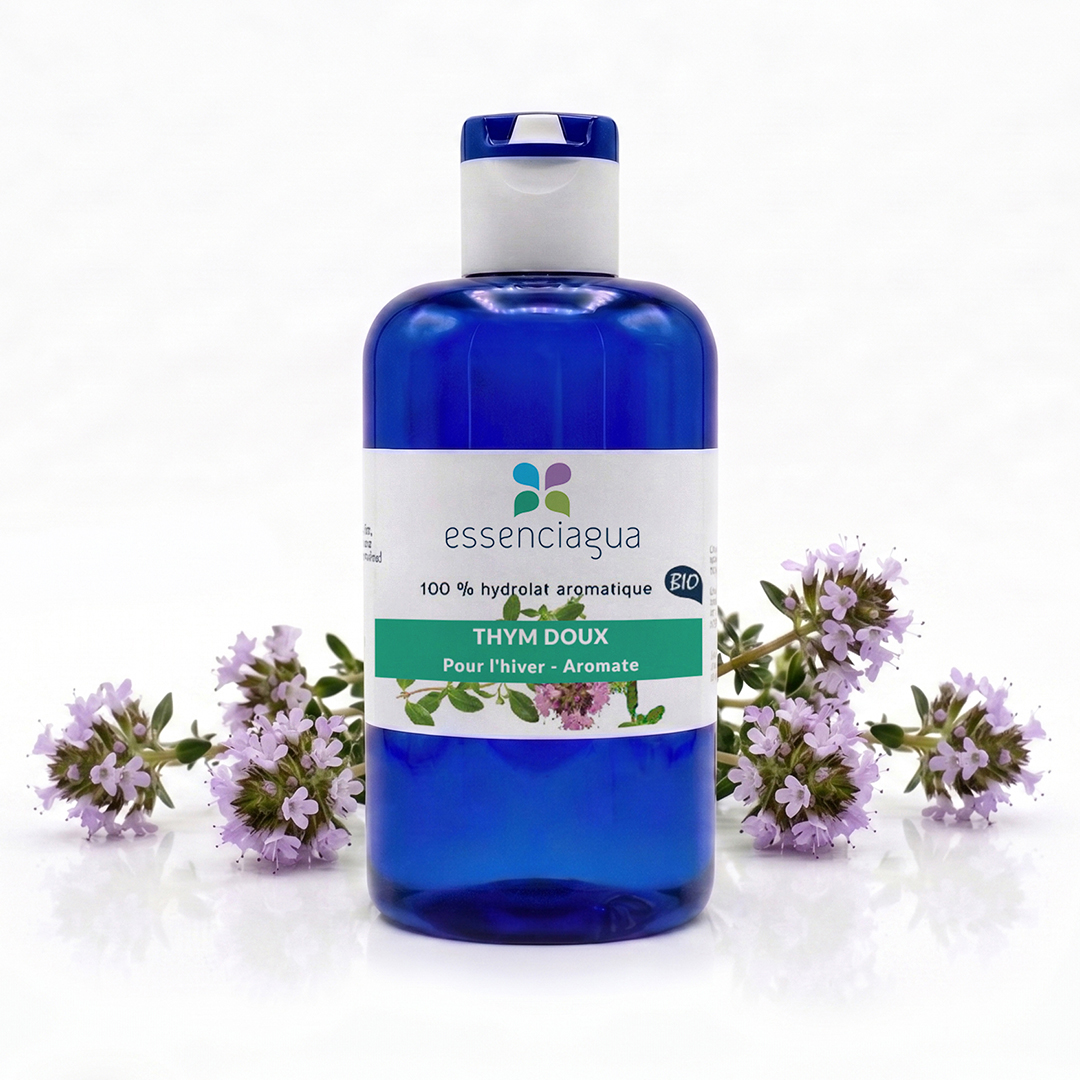
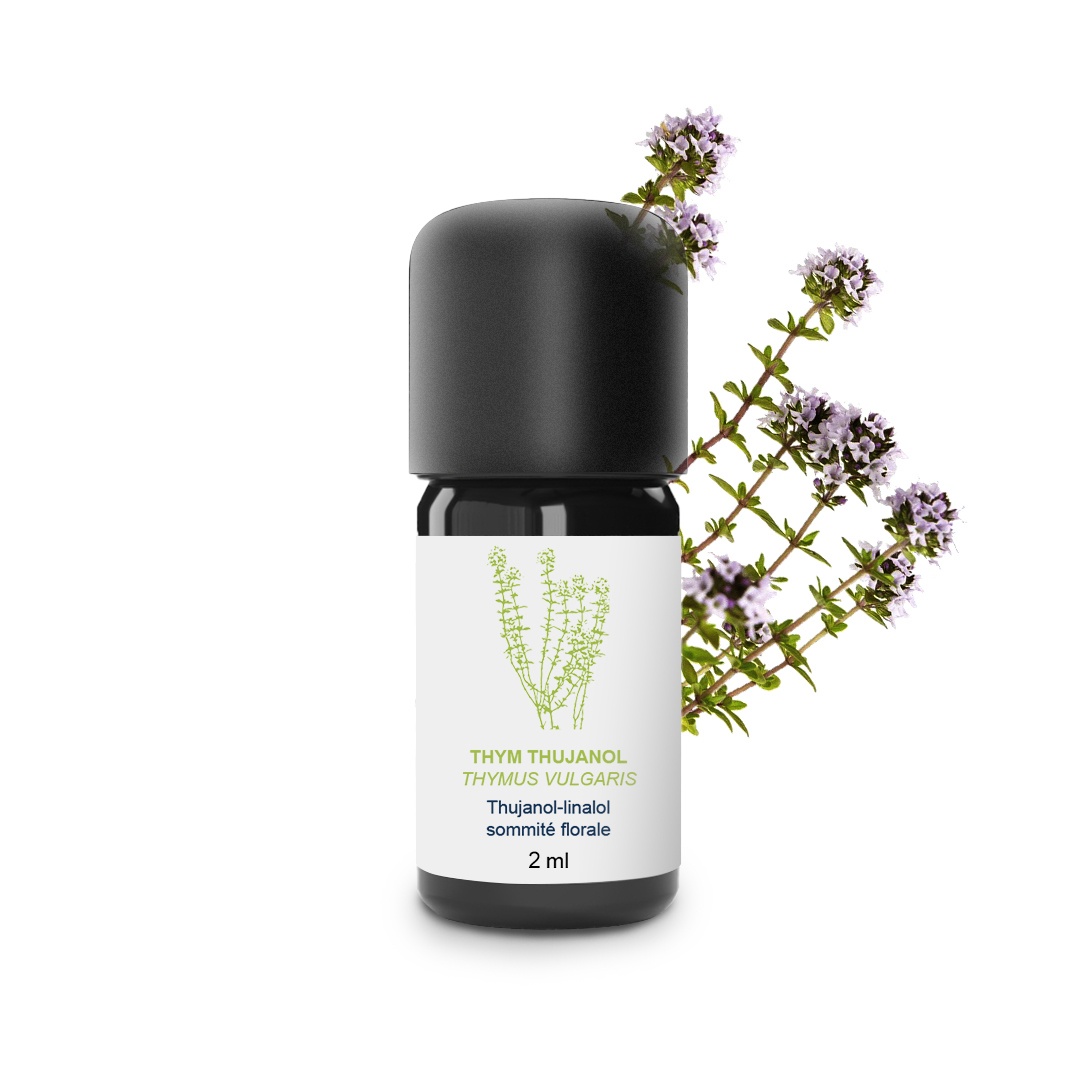
Discover a 1-2-3 recipe combining Thyme thujanol Essential Oil and Sweet Thyme Hydrolat to support seasonal routines and moments of vitality. A premium, simple, and sensory inspiration, designed to highlight the complementarity of plants without therapeutic claims.

Recipe 1,2,3 Confort Respiratoire with Thyme thujanol wild, Sweet thyme
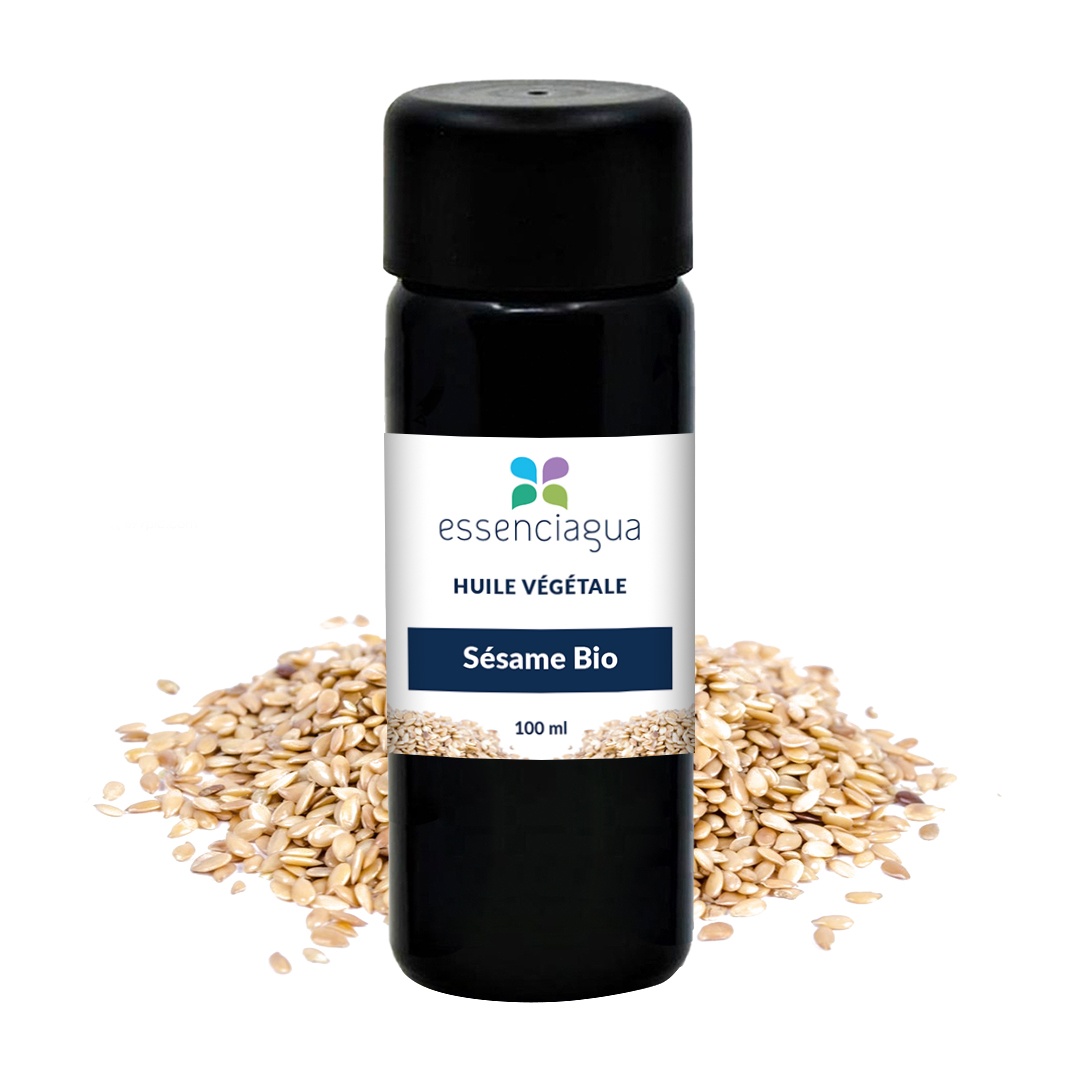
Treat yourself to a moment of respiratory comfort. The gentleness of Thujanol Thyme, Sweet Thyme hydrosol, and Sesame oil envelops you.

Recipe 1,2,3 Respiration with Eucalyptus radiata, Sweet thyme
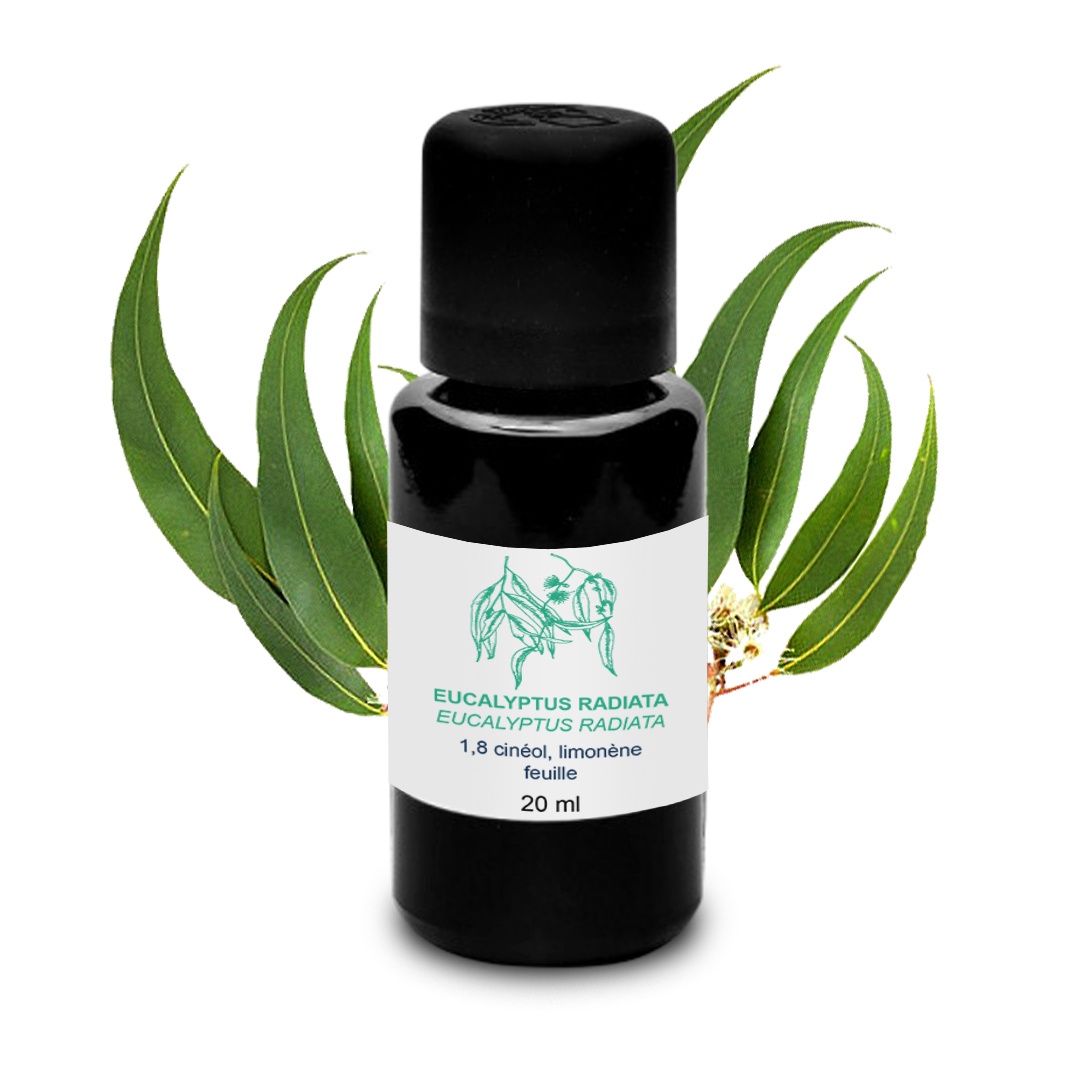
Treat yourself to a breath of natural freshness. Eucalyptus radiata and Sweet Thyme unite for a feeling of clarity and respiratory well-being.

Recipe 1,2,3 Respiration with Eucalyptus globulus from Andalusia, Sweet thyme
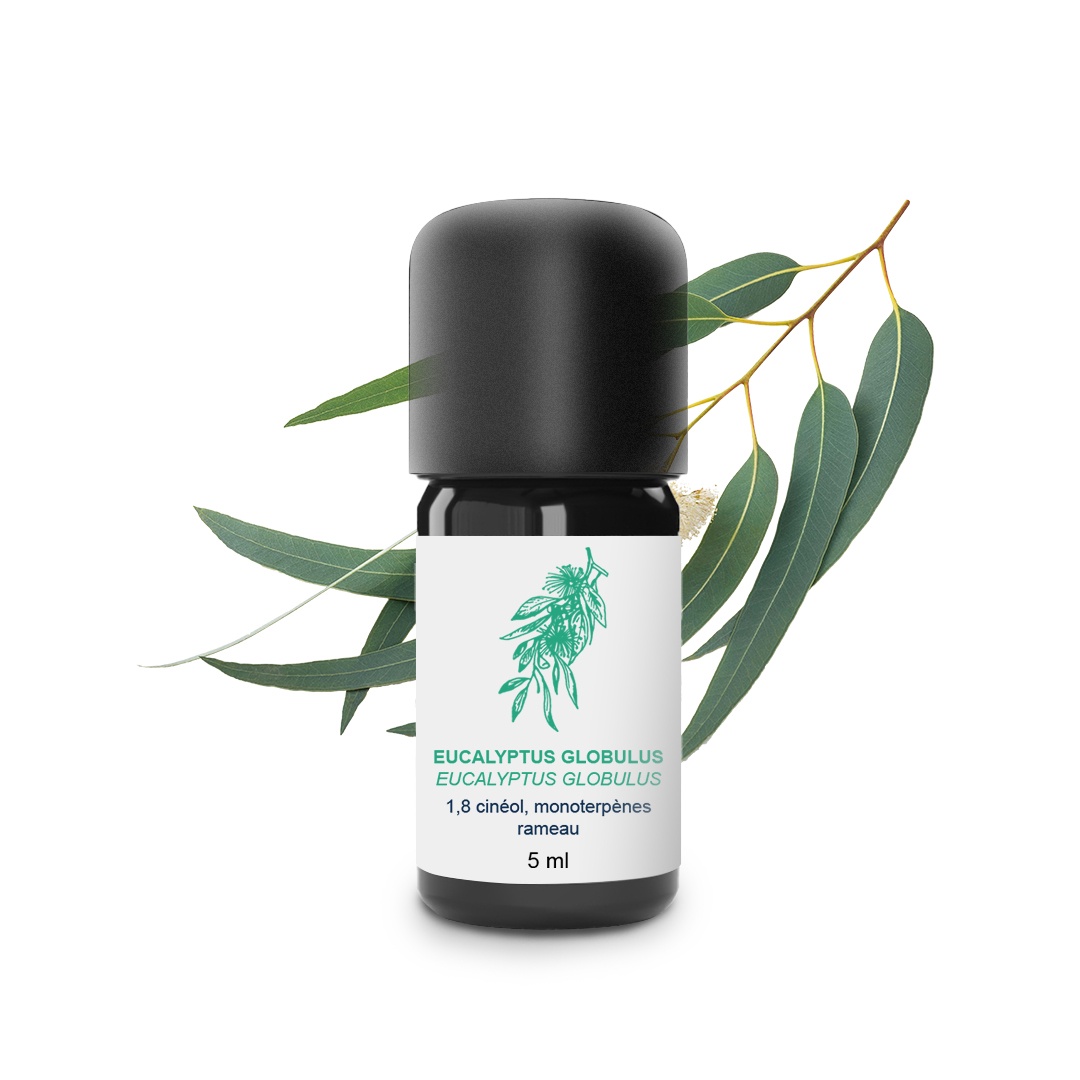
Treat yourself to a breath of freshness and well-being. Eucalyptus globulus and Sweet Thyme unite for a moment of respiratory comfort.
Recipe 1,2,3 Bien-être général with Thyme thujanol wild, Sweet thyme
For a moment of general well-being, let yourself be enveloped by the softness of Thyme thujanol and mild Thyme Hydrosol, enhanced by Sesame Vegetable Oil. An invitation to serenity.
Recipe 1,2,3 Respiration with Tea tree, Sweet thyme
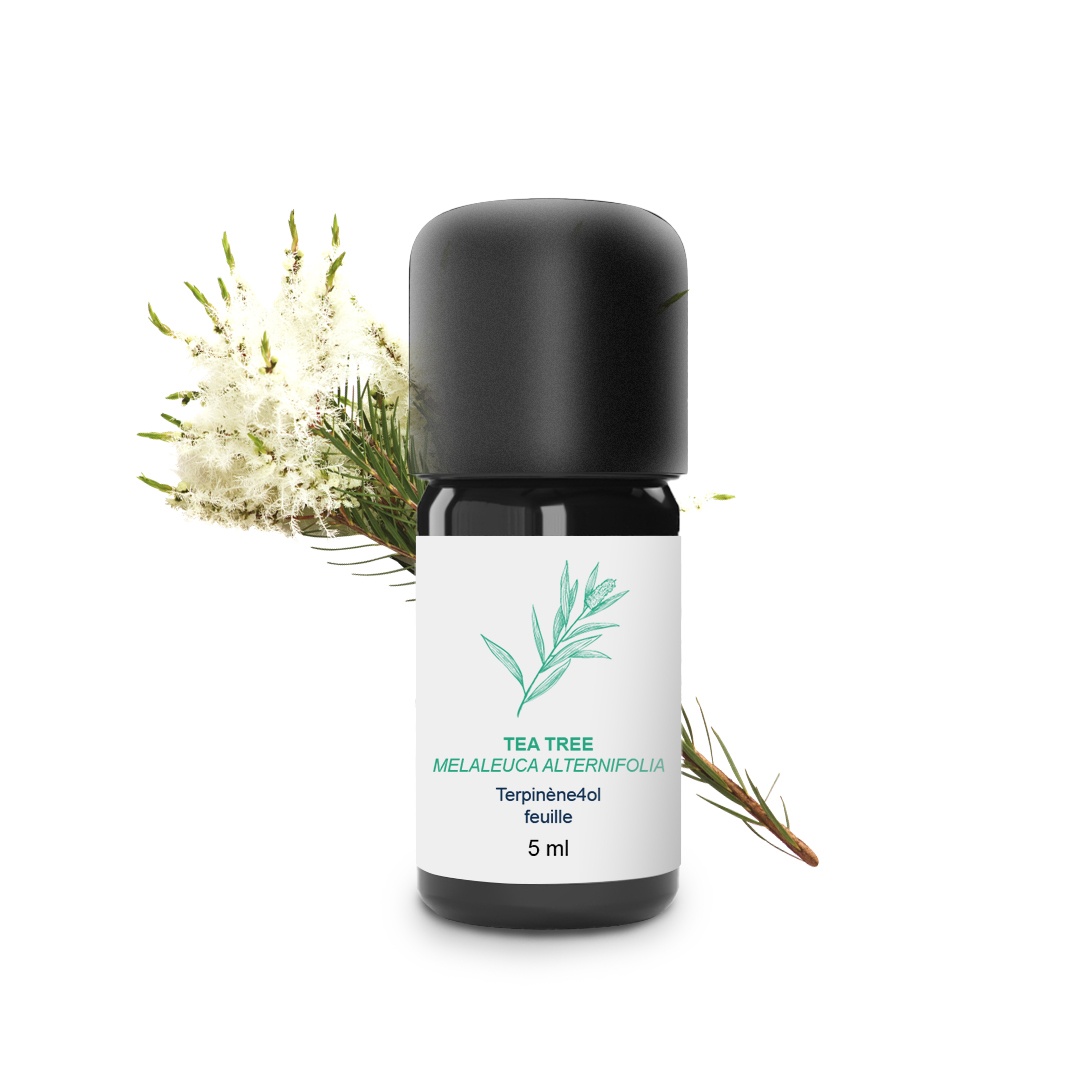

Treat your breath to a breath of freshness with this gentle synergy of Tea tree and Thyme Hydrosol. A purifying moment of well-being for your senses.
Recipe 1,2,3 Respiration with Ravintsara, Sweet thyme
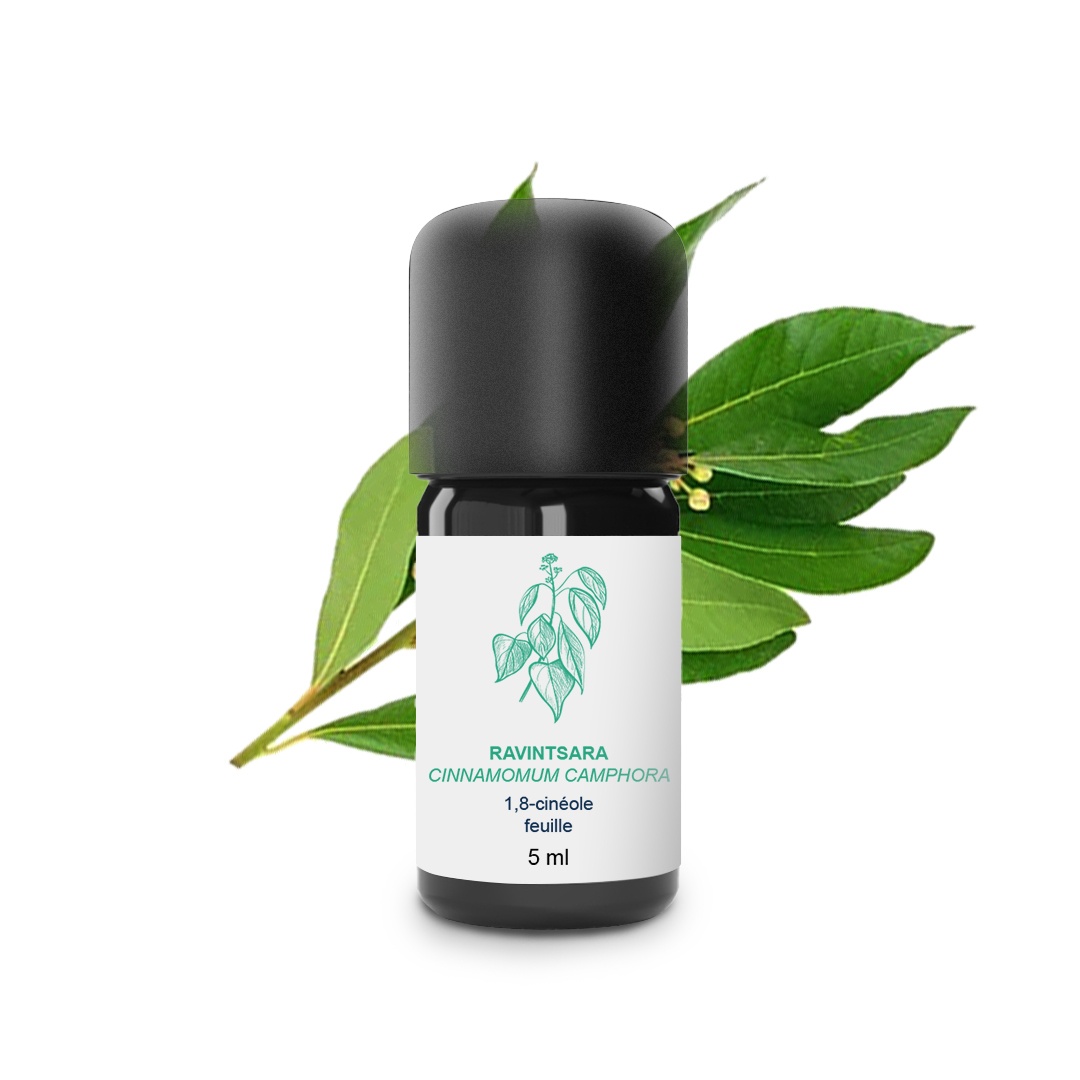
Experience a breath of purity with Ravintsara and Sweet Thyme. A simple gesture for a feeling of comfort and lightness.
Pourquoi ce produit
This sweet Thyme hydrosol offers a clear and accessible botanical expression. It provides a simple way to use the plant’s aromatic profile in skincare routines or homemade preparations.
Notre qualité
Essenciagua favors selected raw materials, controlled processing methods, and an approach attentive to the quality of the finished product. When the supply chain allows, the company promotes local or regional productions and small-batch work.
Idées d'utilisation
- As a mist on the face or body.
- As a lotion after skin cleansing.
- In a homemade cosmetic preparation.
- As a gentle aromatic support in a daily routine.
Un Grand Cru Essenciagua