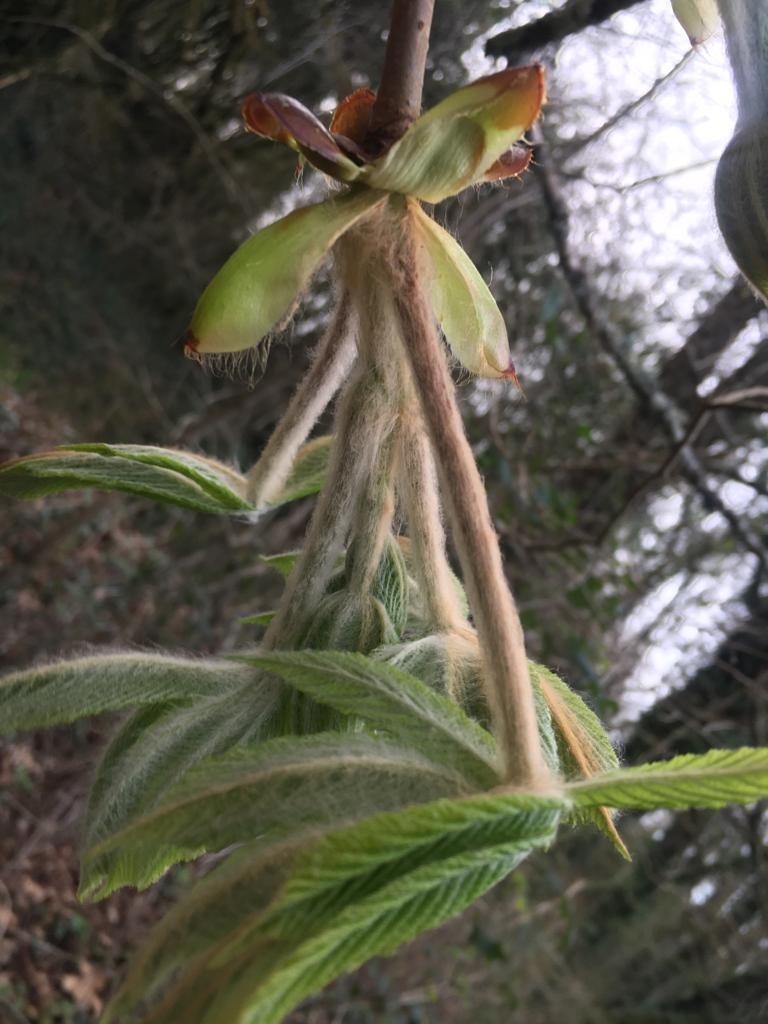
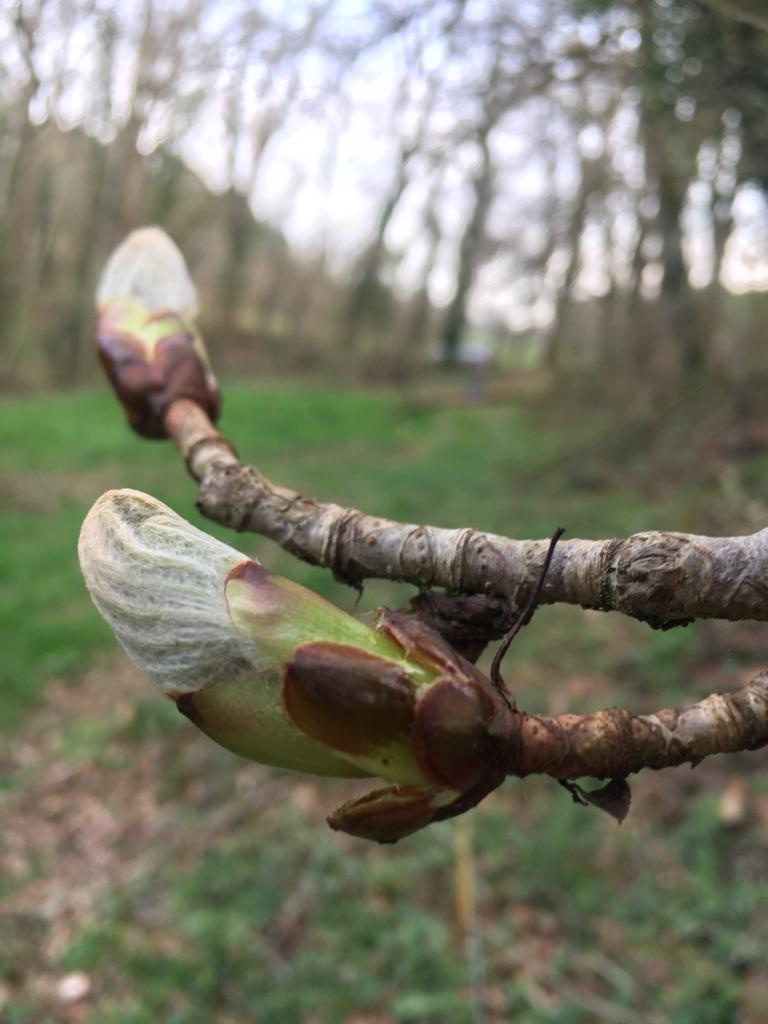
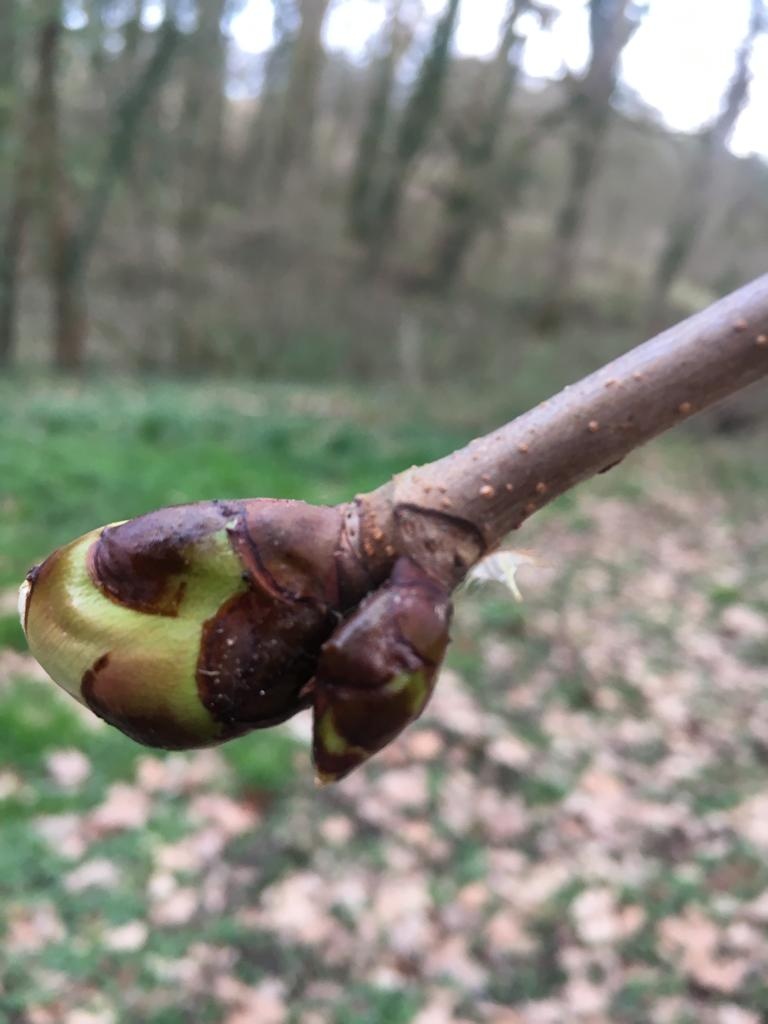
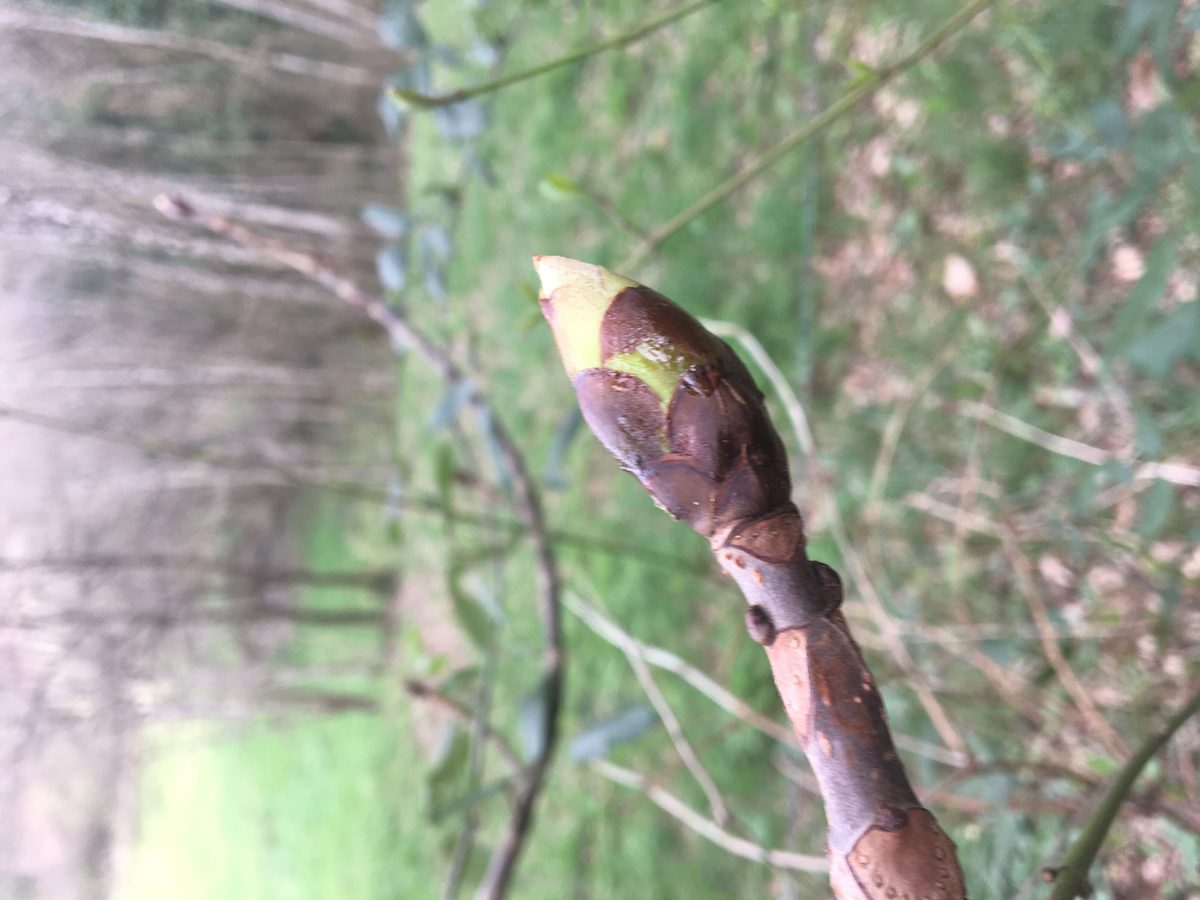
Horse chestnut (bud)
La Plante
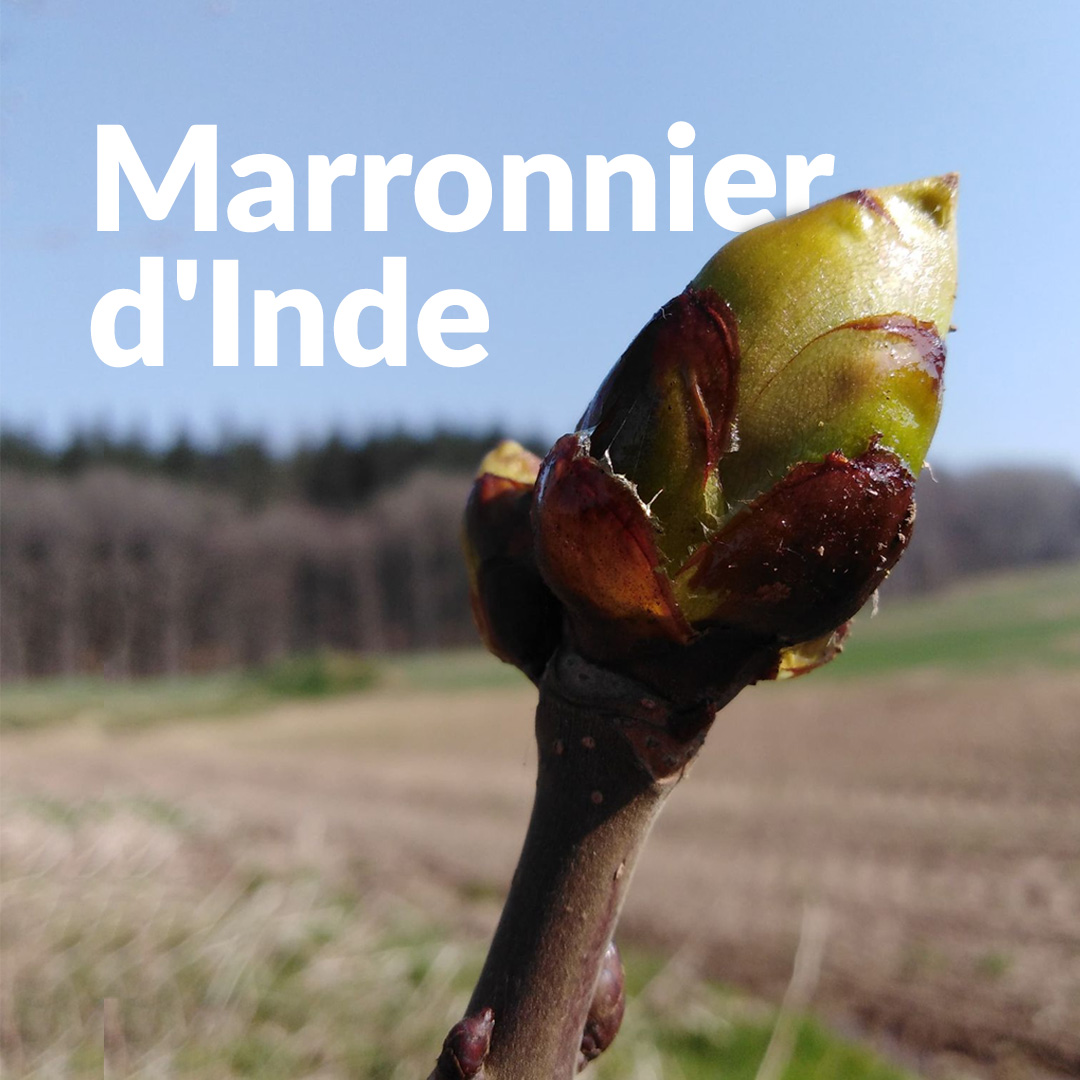
- Nom LatinAesculus hippocastanum
- Famille BotaniqueHippocatanaceae
- Partie de la planteBud
- OrigineFrance
The horse chestnut, a majestic tree native to the Balkans, is a symbol of strength and protection. Its leaves, made up of 5 to 7 serrated leaflets, provide generous shade in summer and take on magnificent golden hues in autumn. Its cone-shaped white flowers, grouped in upright clusters, fill the air with their sweet fragrance in May. The flowers attract bees, which turn them into a delicate, fragrant honey.
The chestnut fruit, wrapped in a spiky capsule, is poisonous to humans, but a delight for squirrels and birds. Its gray-brown bark, smooth and cracked with age, testifies to its longevity and resistance.
The horse chestnut, a tree emblematic of cities and parks, brings a touch of elegance and nobility to its surroundings. Its imposing silhouette and spectacular flowering make it a tree much appreciated for its aesthetics and beneficial shade.
In short, the horse chestnut embodies beauty, strength and generosity, a true invitation to contemplation and connection with nature.
What are the benefits of organic Horse Chestnut bud macerate in gemmotherapy?
In gemmotherapy, the macerate of horse chestnut buds:
helps maintain the integrity of capillaries, veins, and lymphatic vessels, reduces the occurrence of varicose veins and hemorrhoids
lymphatic drainer, helps reduce lymphatic stasis and the appearance of edema
contributes to the improvement of heavy leg syndrome and disorders due to venous congestion
helps maintain the integrity of lung tissue by promoting its irrigation (in support of hazel and bramble).


Les Produits
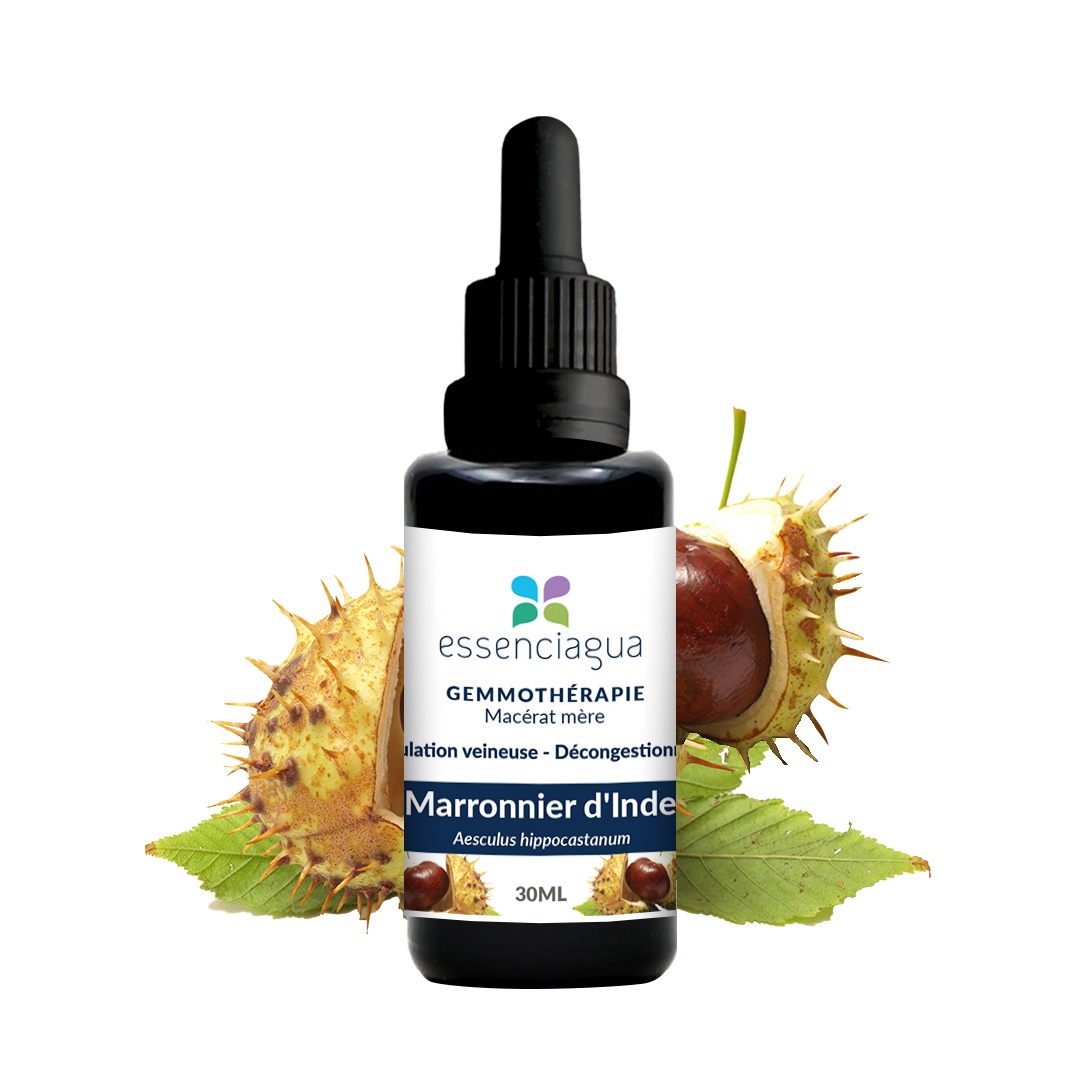
Horse Chestnut bud macerate 100% organic and handcrafted
Organic Horse Chestnut bud macerate is a real ally for vascular and lymphatic health. In gemmotherapy, this natural remedy helps maintain the integrity of...
Horse Chestnut bud macerate 100% organic and handcraftedLes images de la distillation