


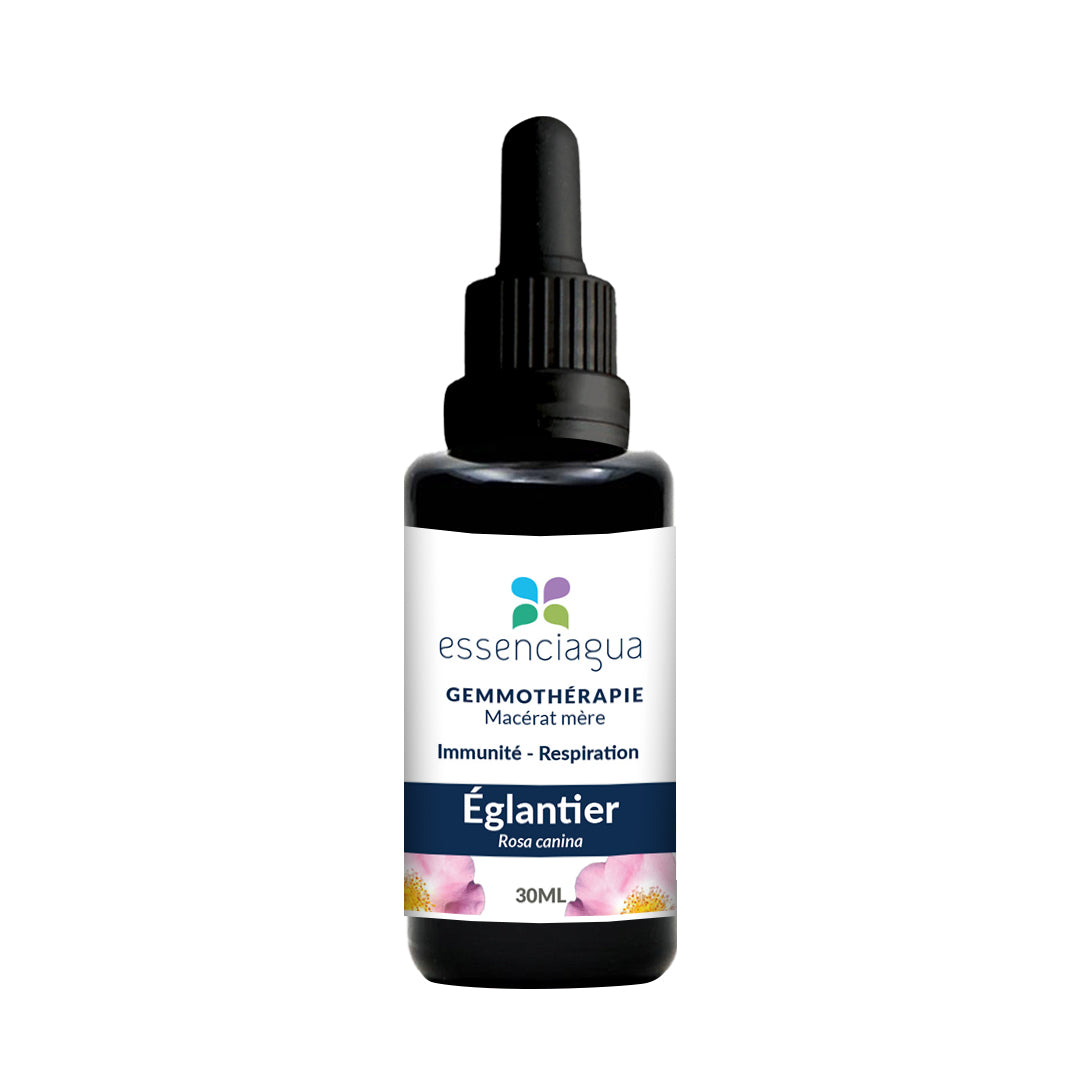
Découvrez notre Rosehip organic bud macerate 100% organic and handcrafted
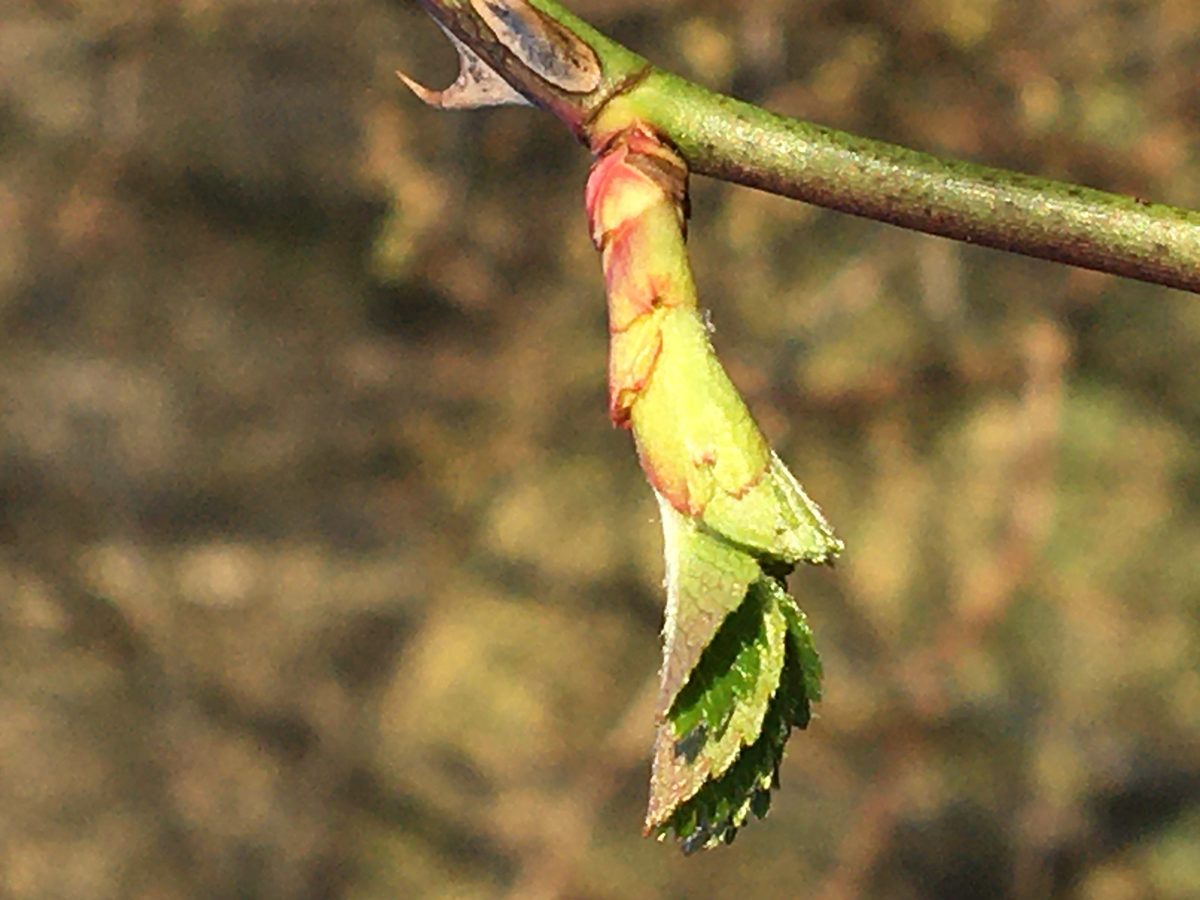
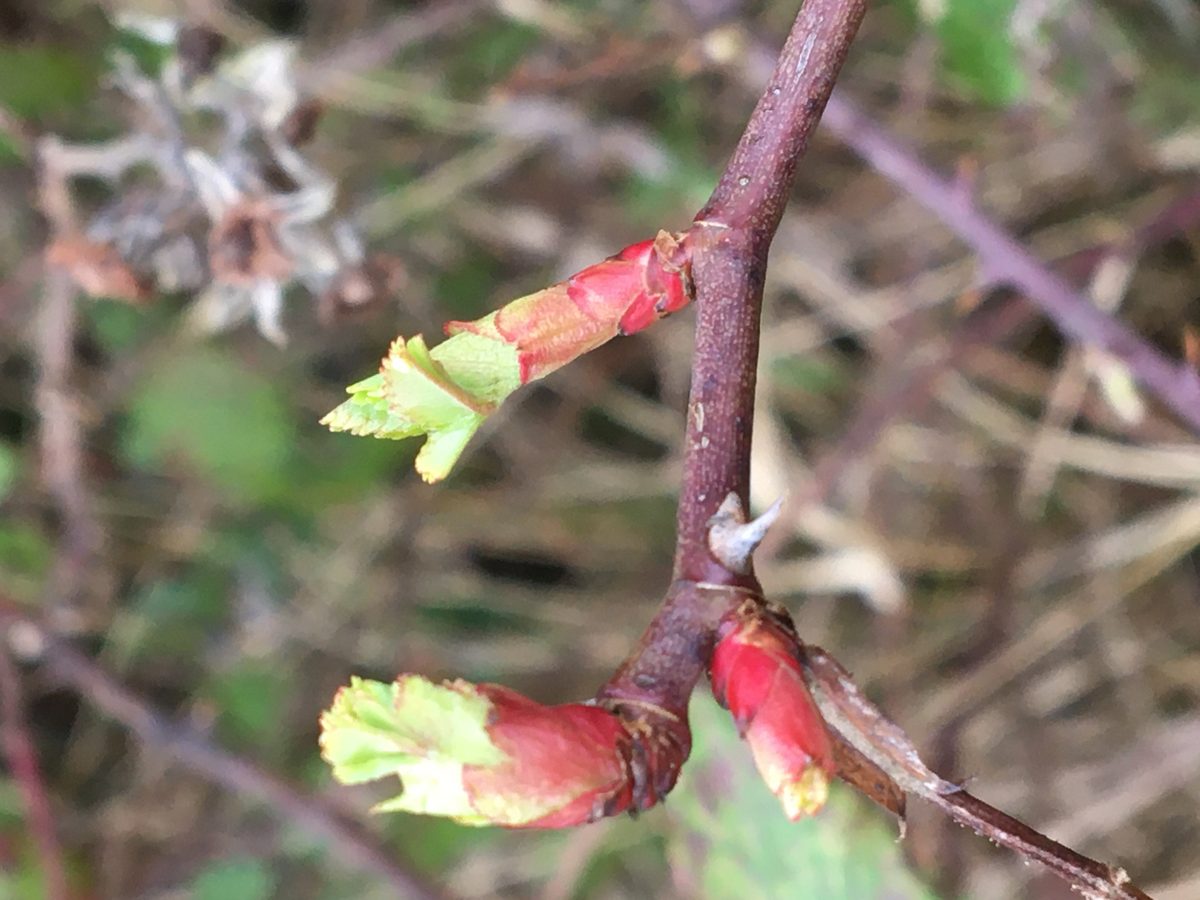
Vesunna’s organic Rosehip bud macerate, Nature & Progrès certified, is a handcrafted product made from young rosehip shoots harvested along the trails in Dordogne. This macerate contributes to the normal functioning of the immune system and to maintaining joint health.
Composition of Vesunna’s organic Rosehip bud macerate, Nature & Progrès certified:
- Young rosehip shoots harvested along the trails in Dordogne and immediately macerated at the harvest site
- Filtered, dynamized, and structured water
- Organic acacia honey from France
- Organic grape alcohol from France
Discover the qualities of Vesunna’s organic Rosehip bud macerate, Nature & Progrès certified.
 Agriculture Biologique : label français garantissant un mode de production respectueux de l'environnement, sans pesticides ni engrais chimiques de synthèse.
 Certification Bio européenne : ingrédients issus de l'agriculture biologique selon le règlement européen.
 Made in France : produit fabriqué en France, garantissant un savoir-faire local et des standards de qualité français.
Précautions
Ask your doctor for advice.
Do not exceed the recommended daily dose. Keep out of reach of young children. Not recommended for children. Not a substitute for a balanced, varied diet. Shake before use.
Click the tabs to learn more
La Plante Rose hip (bud)
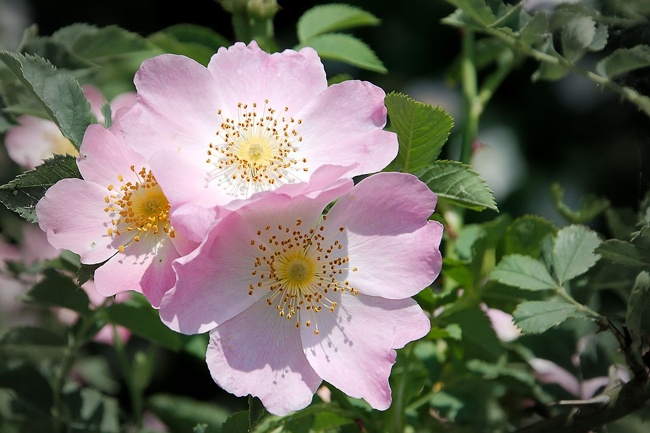
Famille: Rosaceae
Partie de la plante: Bud
Origine: France
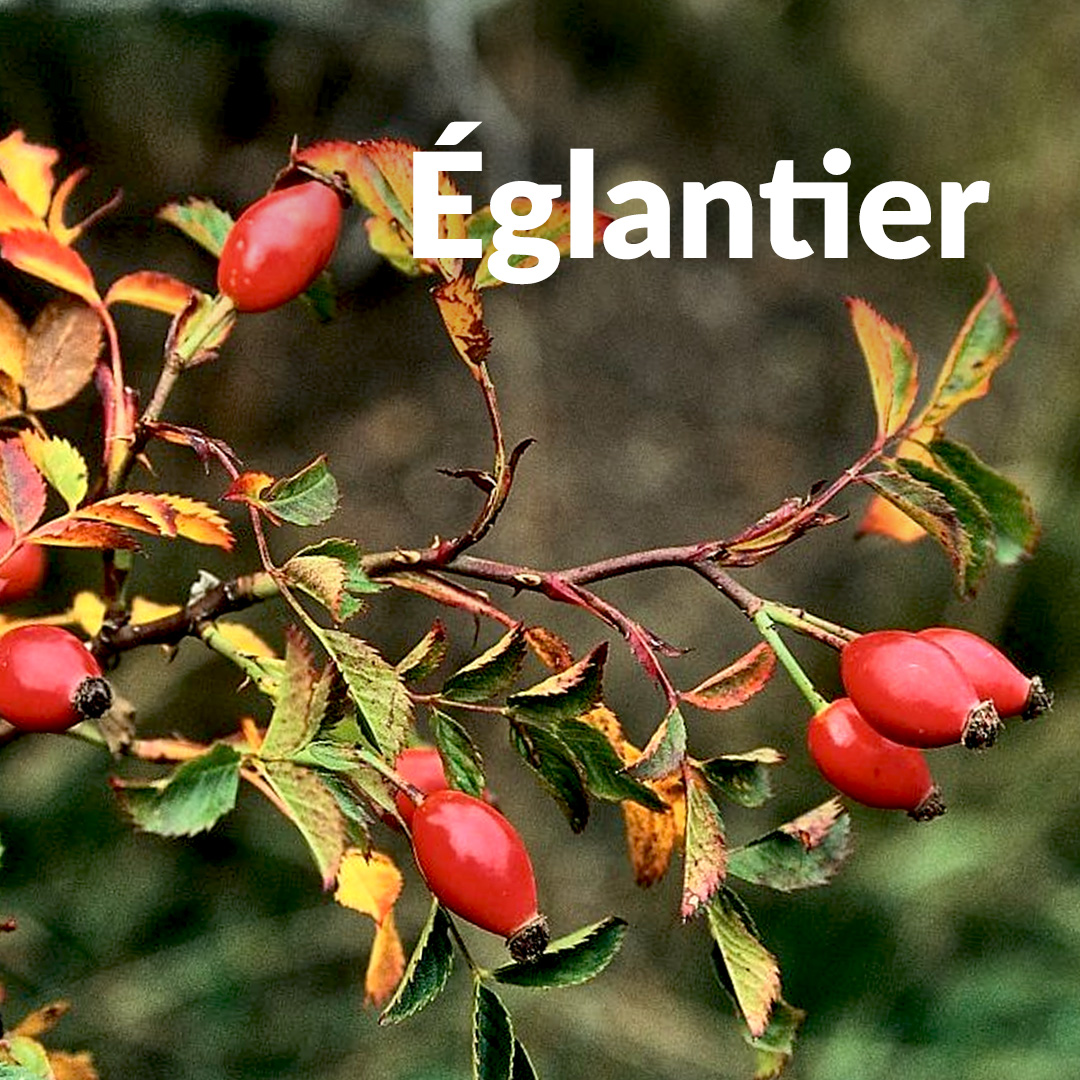
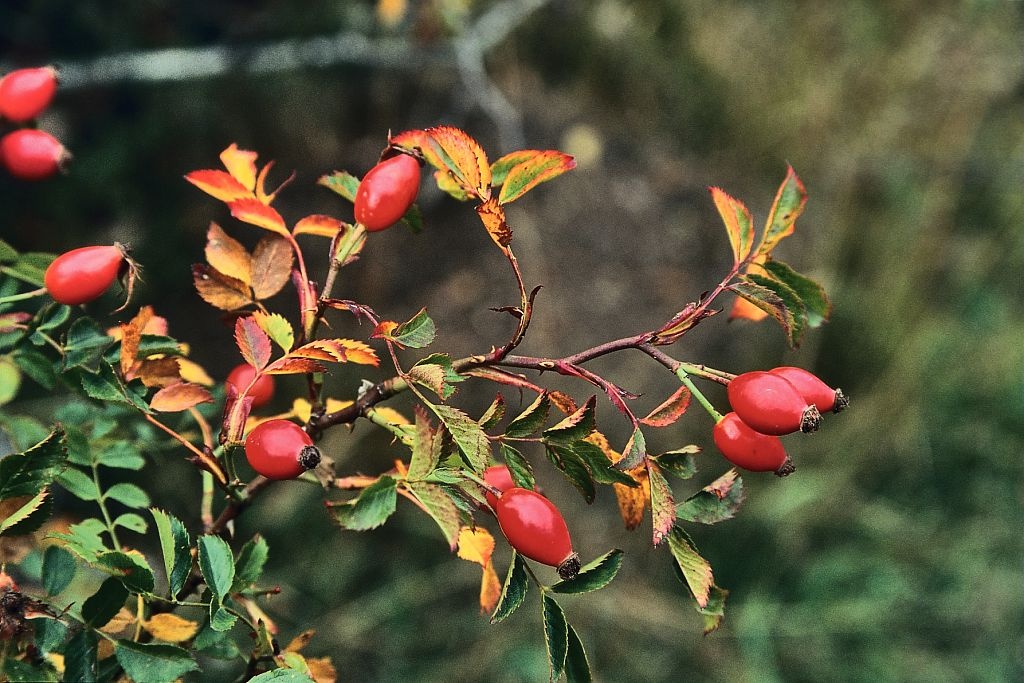
How did Rosa canina, a climbing shrub (1 to 3m) that may be hardy, but whose white or pale pink flowers are so graceful and fragile, and whose fragrance is so delicate, come to be known as the dog rose? Although this ability has not been confirmed, a decoction of its root is said to be capable of curing rabies.
Or perhaps the sharp, curved “thorns” are analogous to the animal’s fangs. Note also that the botanical use of canina can mean “with less value”..
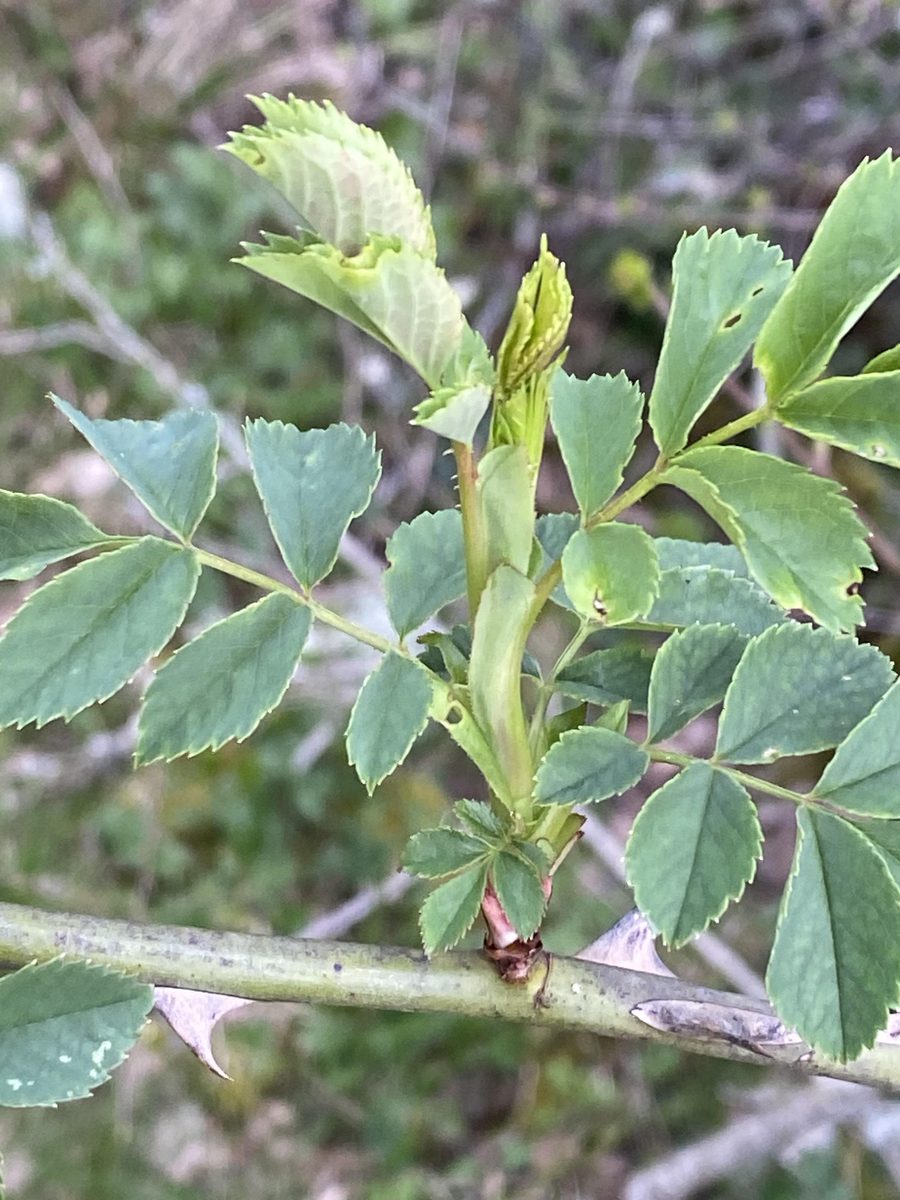
For a botanist, this wild rose is not covered with thorns, but rather with prickles. It’s a natural guest of the countryside, a familiar hedgerow companion to brambles, blackthorns, hawthorns and dogwoods, lining paths and forests. It is particularly fond of light, dry, warm limestone soils, but also thrives on degraded or even uncultivated soils, both on the plains and at higher altitudes.
Discorides and later Galen already described its medicinal virtues. Fruits, flowers, petals and roots, each with its own therapeutic properties.
You can’t talk about the rosehip without mentioning its smooth, red “false fruit” in the shape of an olive stone, the rosehip, whose pulp is edible. Vitamins C and others, condensed tannins, flavonoids and mineral salts give this false fruit major properties for coping with winter ailments, toning the venous system and fighting inflammation. Gratte-cul, the rude side of this shrub once again catches up with it, but this time the name comes from the itching hair it contains.
Les images de la distillation
Pourquoi ce produit
This bud macerate combines an identifiable plant with an oily base suitable for cosmetic use. Its interest lies in its texture, its ease of application, and its role as a base in homemade preparations.
Notre qualité
Essenciagua prioritizes selected raw materials, controlled transformation processes, and an approach attentive to the quality of the finished product. When the supply chain allows it, the company favors local or regional productions and small-batch work.
Idées d'utilisation
- For direct external application.
- As a massage or cosmetic care base.
- As a dilution medium for certain essential oils.
- In a homemade skin preparation.