Estragon
La Plante

- Nom LatinDracunlus
- Partie de la planteAerial Part
- OrigineFrance
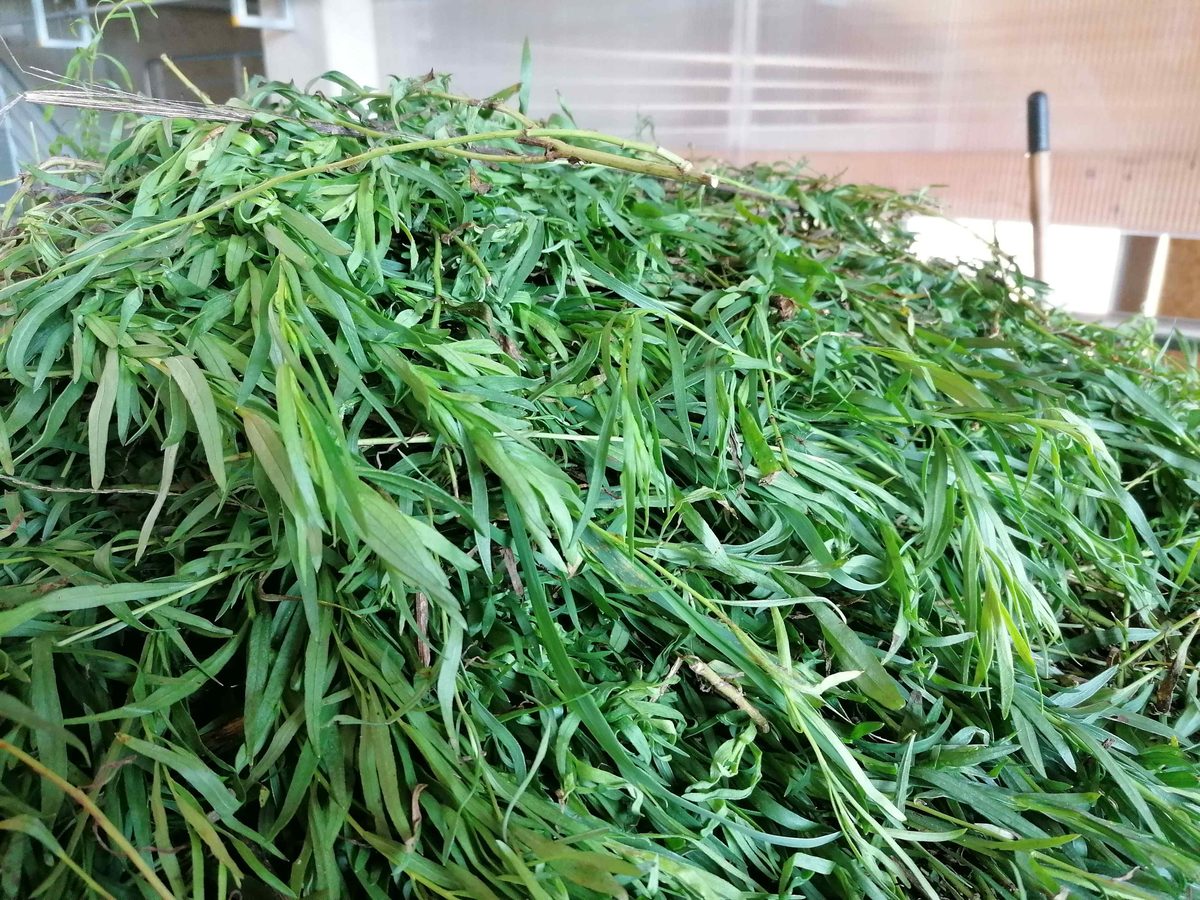
Tarragon is a semi-evergreen herbaceous perennial belonging to the Asteraceae family. This aromatic plant is widely cultivated in France for its fragrant leaves used as a condiment. Native to Russia and more precisely to the great steppes of Central Asia, tarragon owes its name to the Latin word dracunculus, meaning “little dragon”.
In signature theory, Tarragon’s sinuous, snake-like roots led the ancients to believe that it was effective against snakebites, and more generally against the bites of venomous animals. In practice, Tarragon was already being used at the end of the first millennium for its beneficial effects on digestion.
Tarragon mainly contains methylchavicol ether. This constituent is found in basil, a plant with which Tarragon shares a similar scent and relatively similar properties.
What are the benefits of Tarragon?
Tarragon is an aromatic plant whose health benefits have been known for a very long time. While it adds a delicate flavor to our dishes and sauces, it is a very good antiallergenic. In aromatherapy, Tarragon Essential Oil is commonly recommended, used topically or orally to combat respiratory allergies. Tarragon is also known for its benefits on digestion. By stimulating the production of gastric juices, Tarragon can be particularly useful in cases of difficult digestion.

Questions courantes
How to use Tarragon ?
Like basil, tarragon is an aromatic plant. Generally used fresh in cooking, its leaves flavor savory dishes and sauces.
Thanks to its antispasmodic and digestive properties, tarragon has been used for centuries in phytotherapy and aromatherapy. Depending on the desired effect, it is used :
- as a drink: as an infusion or hydrolat. Tarragon can be drunk on its own or in a blend of plants or hydrosols to aid digestion and soothe the symptoms of respiratory allergies;
- for cutaneous or oral diffusion: Tarragon Essential Oil is particularly recommended for these uses. It can be diluted in a vegetable oil, then massaged into the stomach to aid digestion, or applied to the skin. A few drops of Essential Oil in a dish can also give it a very pleasant fragrance.
- as a spray: Tarragon Hydrolat can be used as a tonic to gently moisturize the skin.
Where to grow Tarragon in the garden?
Tarragon is a perennial plant that thrives in sunny, sheltered locations. When mature, it grows to form a small bush about one meter long. It disappears in winter and grows back the following spring.
En lire plus sur Estragon

When I get the hiccups
My story When we were little, my twin sister and I often had hiccups. At times, when it wasn’t one of us, it was the other. I remember one day at school. We started hiccupping. The harder we tried to hold it in, the louder it got. Which led to a good laugh. Which spread...
Les Produits

Tarragon Essential Oil 100% Organic and Handcrafted
Discover Essenciagua’s Tarragon Essential Oil, an artisanal, organic product extracted from the Dracunlus plant, commonly known as tarragon. Native to...
Tarragon Essential Oil 100% Organic and Handcrafted
Tarragon Hydrolat 100% Organic and Handcrafted
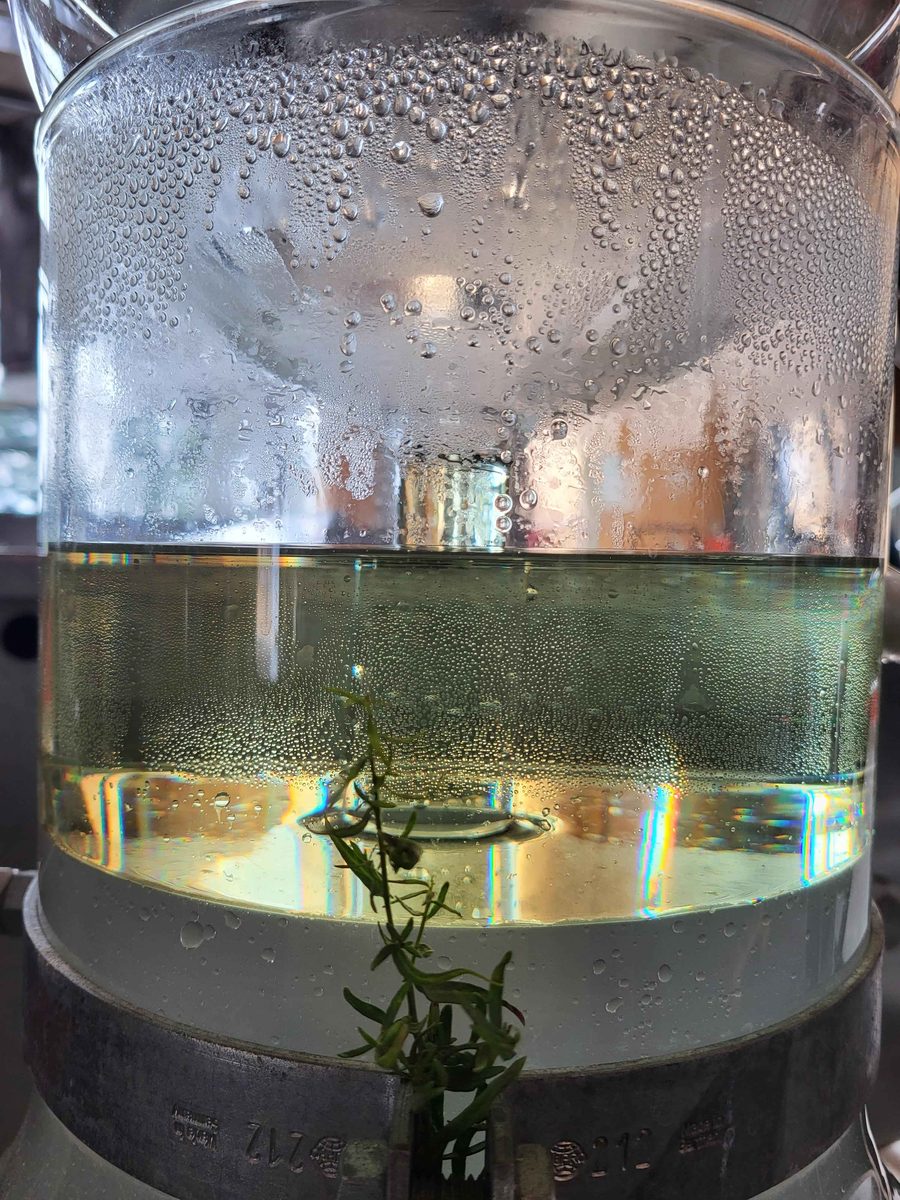
Essenciagua Tarragon Hydrosol is obtained by steam distillation of the aerial parts of the tarragon plant, also known as Dracunlus, without the addition of...
Tarragon Hydrolat 100% Organic and HandcraftedLes images de la distillation