


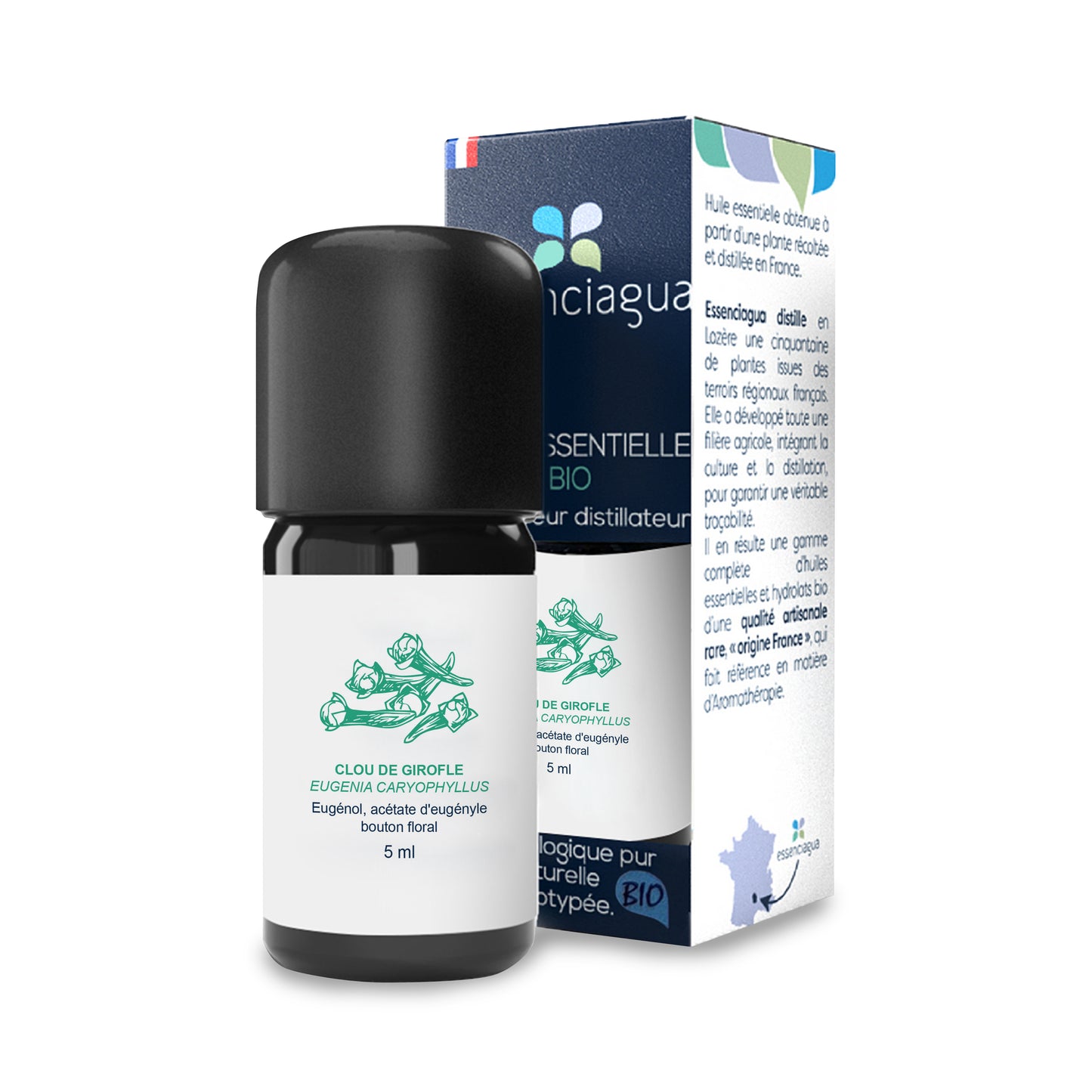
Découvrez notre Clove Essential Oil 100% Organic and Handcrafted
Clove (Syzygium Aromaticum) is a precious spice, derived from the dried flower buds of a tree native to the Moluccas Islands. Its history is rich, having traveled across continents to perfume and enrich culinary cultures worldwide. Essenciagua’s Clove Essential Oil comes from Madagascar.
It is traditionally appreciated in cooking for its powerful and warm aroma, ideal for enhancing stews, pastries, or hot beverages. Its intense and characteristic fragrance, both spicy and slightly woody, offers an enveloping olfactory experience. When diffused, it creates a comforting atmosphere, an invitation to sensory serenity, bringing a touch of exoticism and warmth to your home.
 Agriculture Biologique : label français garantissant un mode de production respectueux de l'environnement, sans pesticides ni engrais chimiques de synthèse.
Click the tabs to learn more
La Plante Cloves
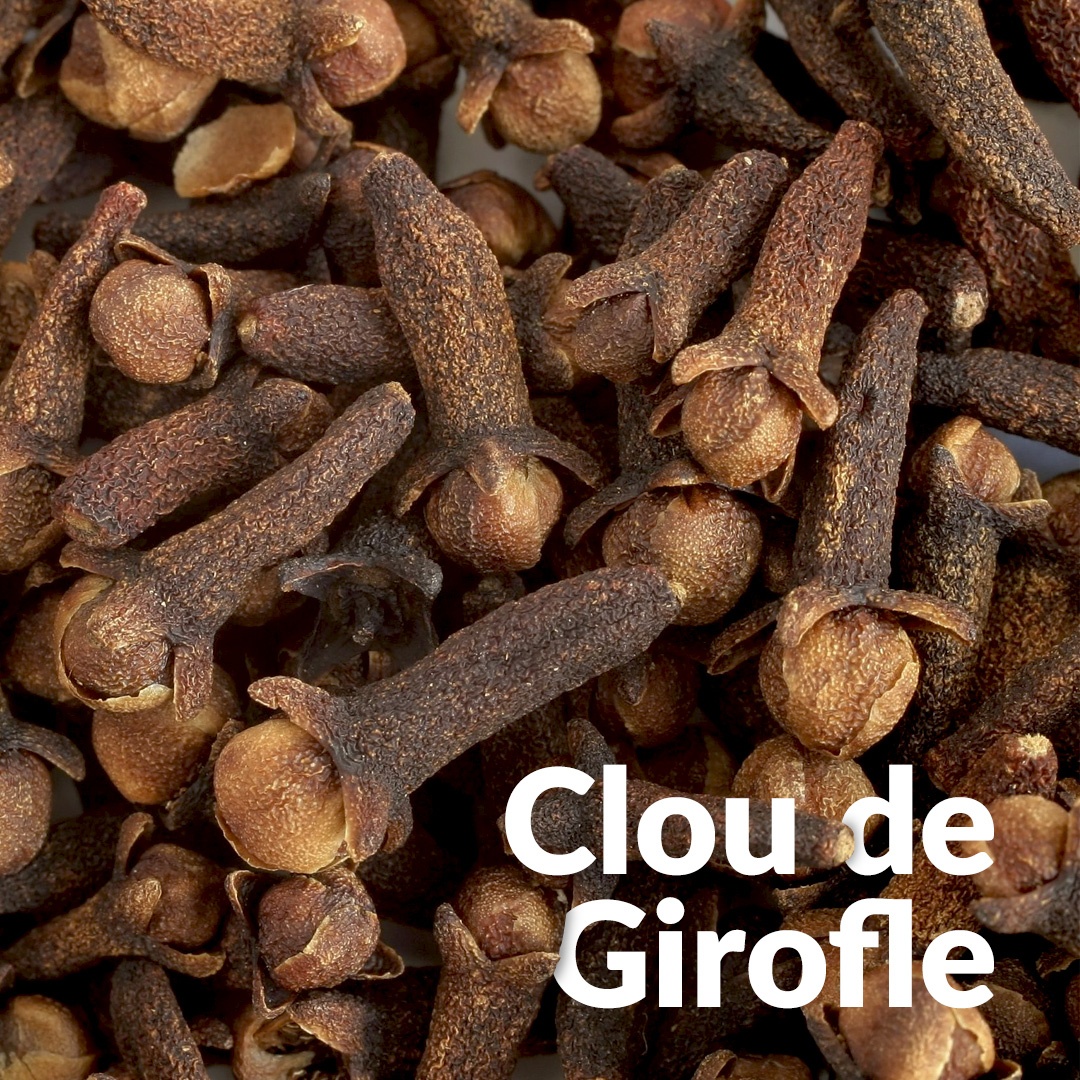
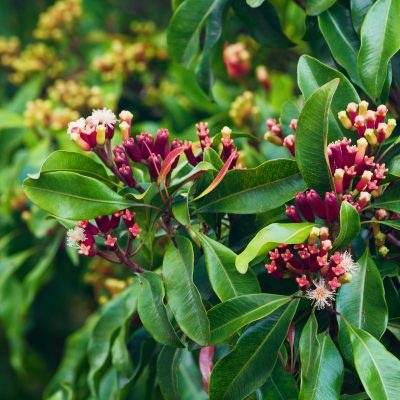
Partie de la plante: Flowering Summit
Origine: Madagascar
Giroflier is an evergreen tree belonging to the Myrtaceae family, which can reach heights of 20 meters. Native to Southeast Asia, our producers are based in Madagascar. Its flower buds have long been harvested before they open. Cloves are left to dry before being used as a spice in cooking and for their health benefits.
Rich in eugenol, cloves are renowned for their analgesic, antibacterial and anti-inflammatory properties.
Publications scientifiques
Une sélection d'études issues de PubMed portant sur cette plante.
-
[The effect of long-term exposure to essential oils on the psychoemotional state and mental performance of elderly people.].
A study found that inhaling several essential oils (clove, coriander, lavender, lemon, rosemary, savory) reduced anxiety and depression and improved mental performance in older adults. Some of these oils also improved mood and promoted relaxation.
-
Histological effects of intranasal clove essential oil on the olfactory bulb in a rat model of depression.
A study in rats found that clove essential oil, administered intranasally, helped restore the normal architecture of the olfactory bulb affected by a model of depression.
-
Eugenia caryophyllata Thunb.: A comprehensive review of the traditional uses, phytochemistry, pharmacology, and quality control.
This literature review indicates that cloves (Eugenia caryophyllata Thunb.) have antibacterial, anti-inflammatory, antioxidant, and analgesic effects, and help regulate digestion, according to modern research.
-
Nanostructured lipid carrier enabled delivery of levofloxacin and clove essential oil to overcome Pseudomonas aeruginosa biofilm infection in burn wounds- a synergistic approach.
A study in mice showed that a combination of clove essential oil and an antibiotic, delivered using nanotechnology, improved the healing of infected burns and reduced bacterial presence.
-
Inhibitory Effects and Mode of Action of Pure Eugenol Versus Clove Essential Oil on Key Phytopathogenic Fungi.
This study found that pure eugenol, a component of clove essential oil, exhibited greater antifungal activity than the full essential oil against certain plant-pathogenic fungi.
-
Medicinal plants as alternative and adjunct antimicrobial agents in ear, nose, and throat (ENT) Infections.
This literature review found that several medicinal plants and their essential oils exhibit antibacterial, antifungal, or antiviral activity in vitro against pathogens associated with ENT infections.
-
Synergistic anti-Candida effects of essential oil blends on biofilms at various maturation stages.
This study found that certain essential oils, including tea tree, cinnamon, and thyme, showed promising activity against Candida biofilms. Specific combinations even demonstrated strong synergy in inhibiting these biofilms.
-
Phytochemical Characterization and Antibiofilm Efficacy of Piper betle Extract and Essential Oils Against Clinical Pseudomonas aeruginosa and Staphylococcus spp. from Small Animals.
This study found that Piper betle leaf extract exhibited superior activity against Pseudomonas aeruginosa and a strong ability to inhibit biofilms formed by this bacterium, as well as those formed by Staphylococcus spp.
-
Development of a nanoemulsion containing essential oil from Eugenia caryophyllus and evaluation in vitro and in silico of its antibacterial and antibiofilm activity against Streptococcus mutans.
This study developed a nanoemulsion based on clove essential oil (Eugenia caryophyllus) and evaluated its antibacterial activity and ability to inhibit biofilm formation by Streptococcus mutans, an oral bacterium, while confirming its safety in vitro.
-
Phytochemical-Loaded Biodegradable Nanoemulsions for Eradication of Fungal Biofilms.
This study found that nanoemulsions containing carvacrol, a component of essential oil, were highly effective against biofilms of several Candida species, penetrating and killing the fungal cells.
-
Essential Oils as Natural Defenders: Exploring Their Antioxidant and Antimicrobial Potential Against Multidrug-Resistant (MDR) Bacteria.
This study found that clove essential oil (Syzygium aromaticum) exhibited the strongest antioxidant and antimicrobial activity—particularly against an antibiotic-resistant bacterium—and enhanced the effectiveness of antibiotics.
-
The Effects of Aromatherapy With Clove and Lavender on Headache Caused by Spinal Anesthesia in Patients Undergoing Urological Surgery: A Randomized Clinical Trial Study.
This study found that aromatherapy using lavender and clove resulted in a greater reduction in post-spinal anesthesia headaches compared to standard care.
-
Antiviral properties of essential oil mixture: Modulation of E7 and E2 protein pathways in human papillomavirus (HPV) infection.
A study found that an optimized blend of clove, palmarosa, and niaouli essential oils demonstrated significant antiviral activity against human papillomavirus (HPV) by reducing viral replication and protein expression in infected cells.
-
Clinical efficacy of olfactory training using aromatic traditional Chinese medicine in managing olfactory dysfunction induced by SARS-CoV-2.
The study found that olfactory training using traditional Chinese medicine aromatics can improve odor discrimination and identification, as well as sleep quality and anxiety, in patients with post-COVID-19 olfactory dysfunction.
Nos recettes 1-2-3
Une recette 1, 2, 3, ce sont trois produits et trois gestes simples, pensés ensemble pour répondre à un besoin précis.
Choisissez celle qui vous ressemble : les quantités et les étapes sont déjà prêtes, il n’y a plus qu’à suivre.

Recipe 1,2,3 Confort Buccal with Noble laurel, Cloves
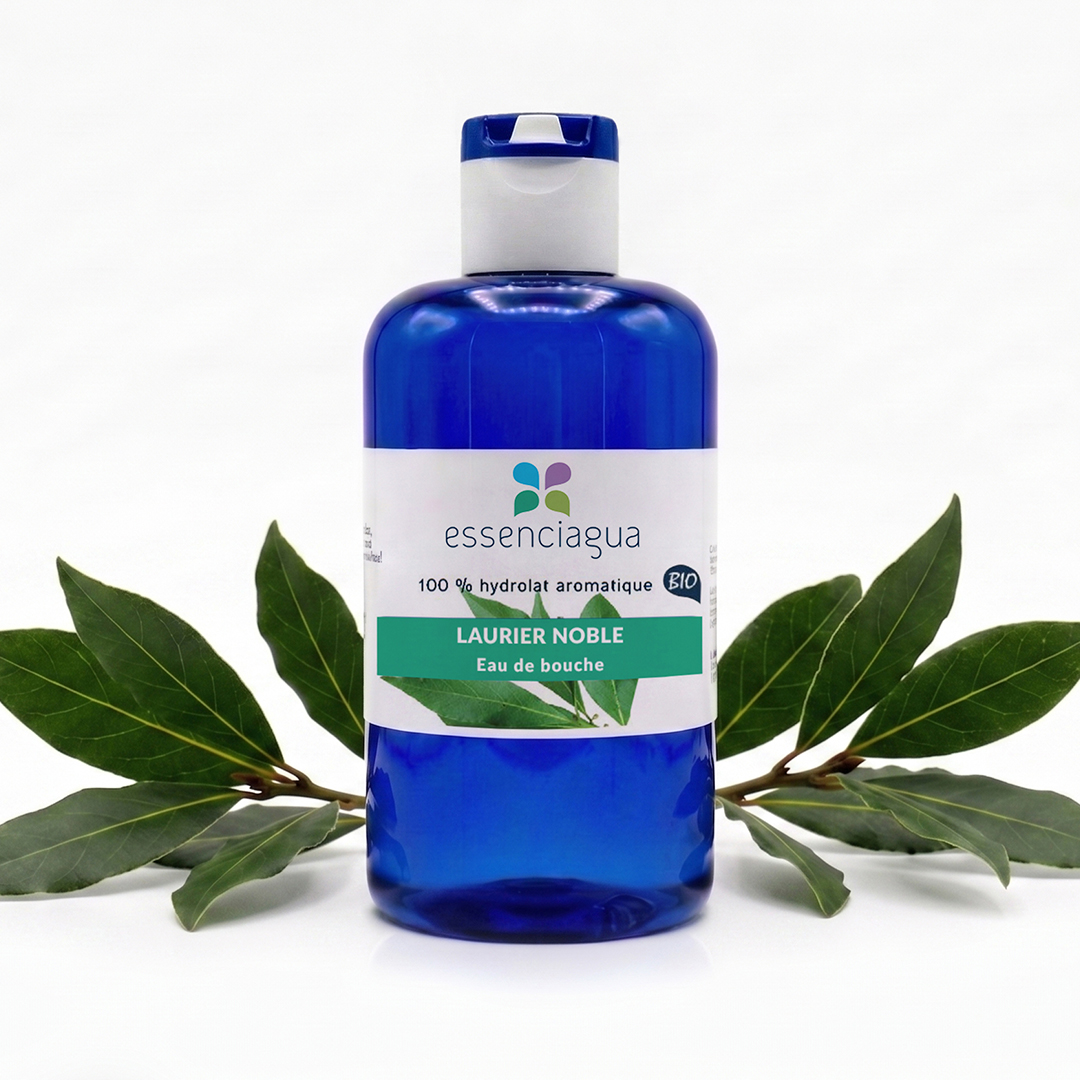
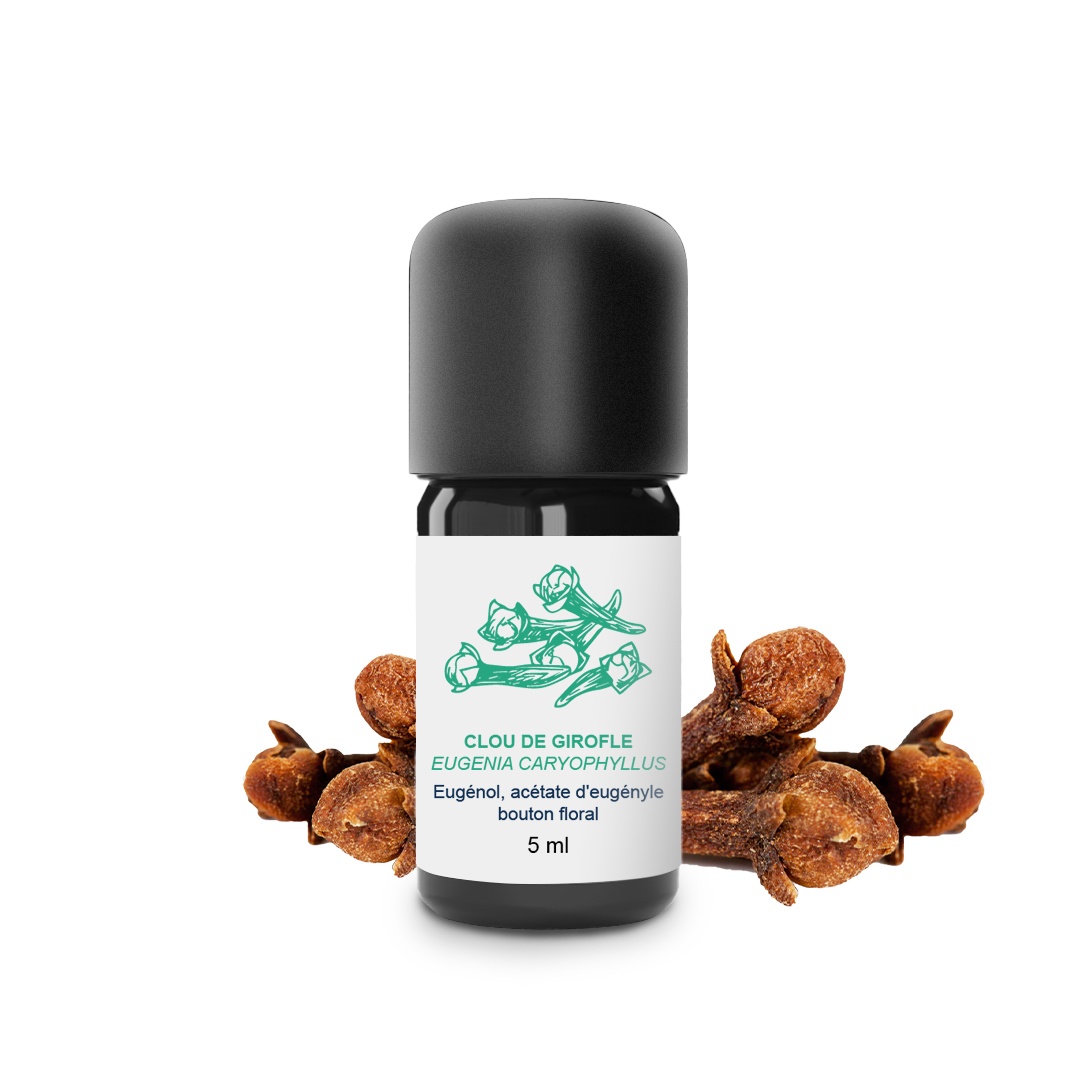
Recipe 1, 2, 3: Freshness & Purity with Clove & Bay Laurel
An aromatic composition with spicy and herbaceous notes for a moment of oral clarity.
Pourquoi ce produit
This Clove essential oil features a warm and pronounced aromatic signature. It is suitable for formulations where dosage precision and raw material quality are essential.
Notre qualité
Essenciagua prioritizes selected raw materials, controlled transformation processes, and an approach attentive to the quality of the finished product. When the supply chain allows it, the company favors local or regional productions and small-batch production.
Idées d'utilisation
- In diffusion to create an aromatic ambiance.
- Diluted in a carrier oil for appropriate topical application.
- In a homemade cosmetic preparation, while observing usual precautions.
- In combination with a hydrosol or a compatible carrier oil.
Bienfaits, mode d’emploi, précautions et conservation sont détaillés dans le guide de cette plante. Lire le guide
Questions / Réponses
assez satisfaite de cette HE
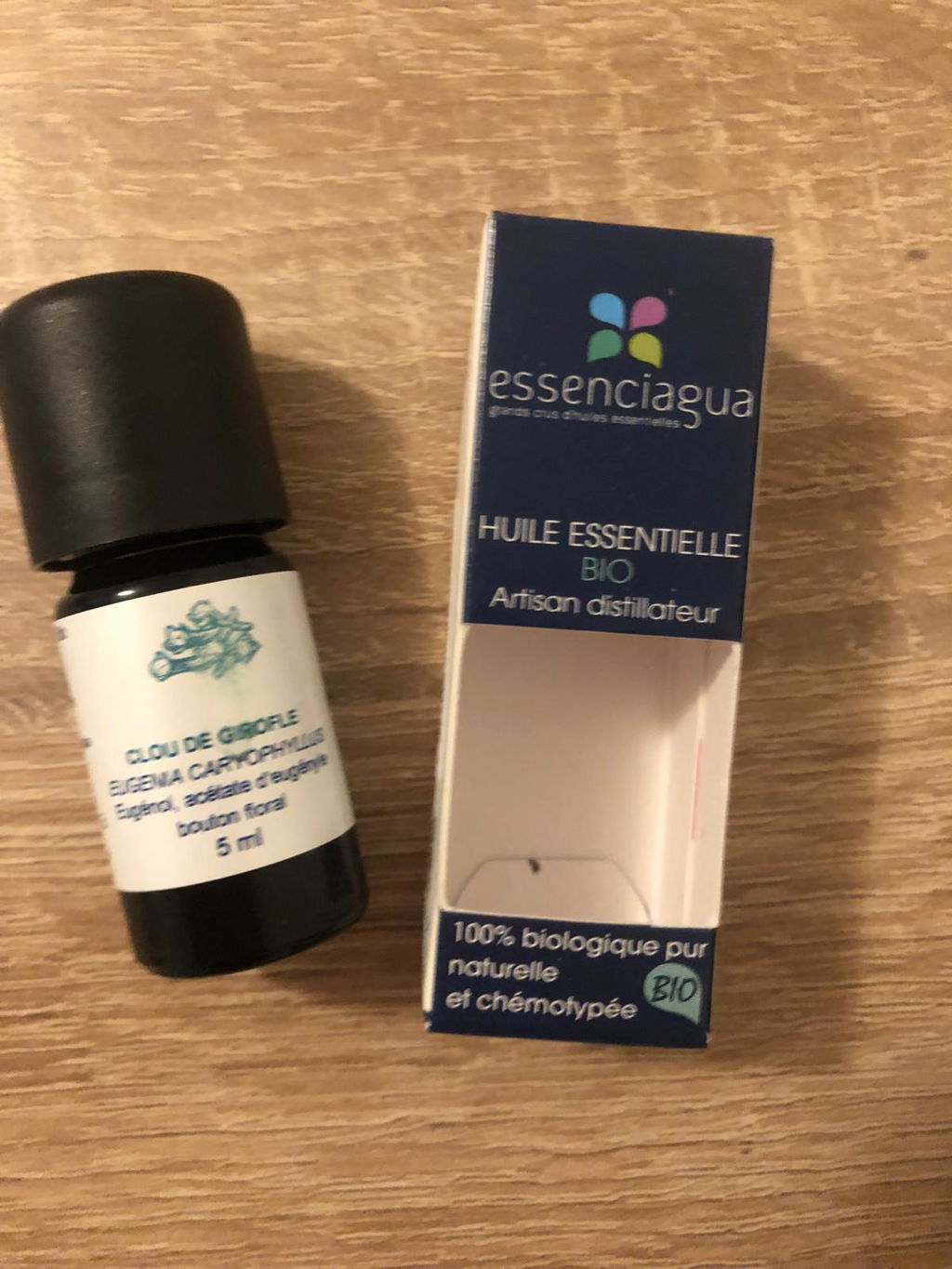
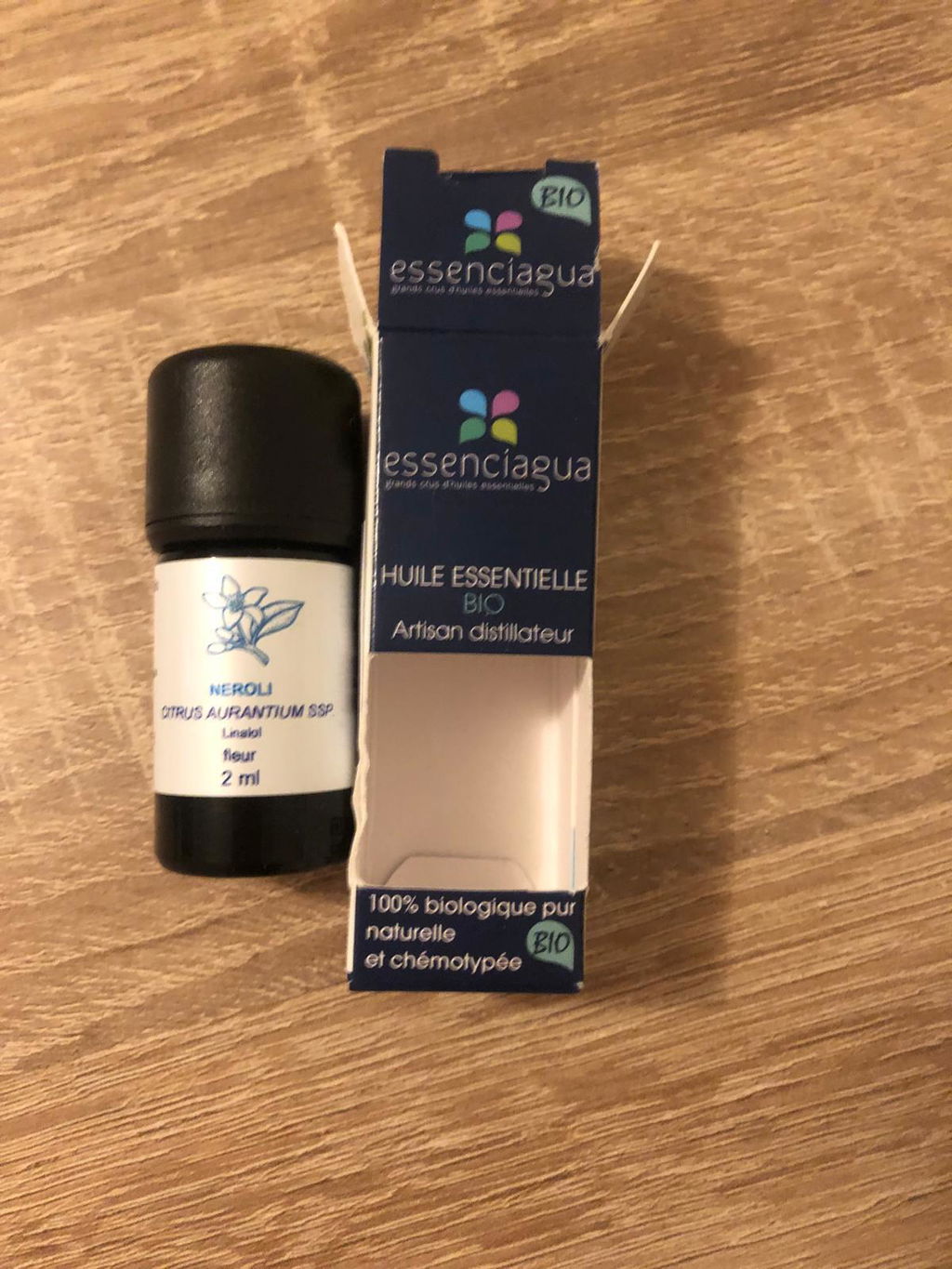
J'ai lu le livre dents et gencives saines de Nadine ARTEMIS et depuis j'étais à la recherche d'huile essentielle d'origine vraiment naturelle.
Essenciagua répond à mes critères. L'huile essentielle de clou de girofle me permet de réaliser des soins de gencive vraiment remarquable.
Je l'ai également utilisé en application local lors de douleur gingival et cela permet d'anesthésier et soulager la douleur.
Je recommande
hyper efficace pour les douleurs dents gencives
Très satisfait par ce produit après plusieurs achats