


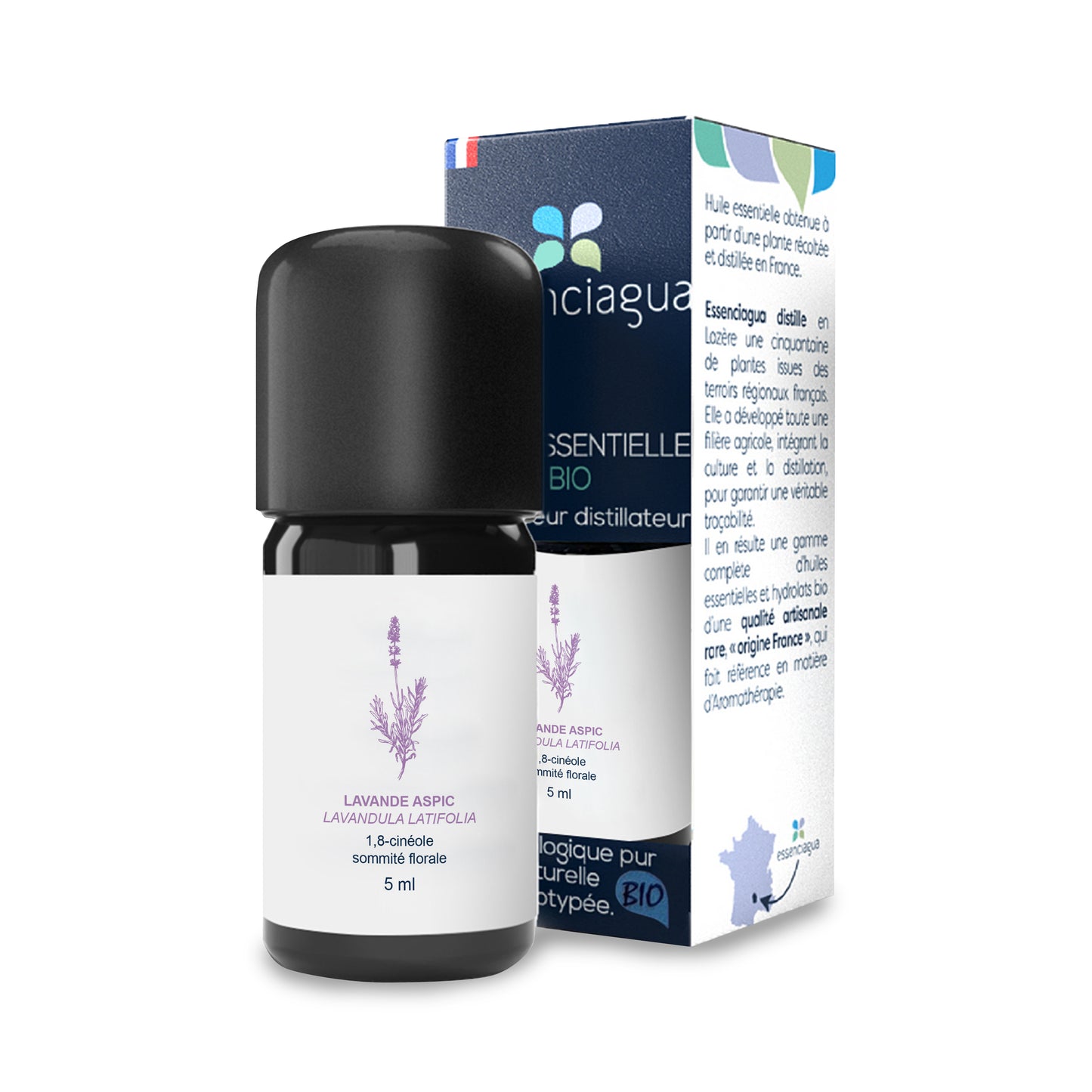
Découvrez notre Lavender aspic Essential Oil 100% Organic and Handcrafted
Spike Lavender (Lavandula Spica) is an emblematic plant of the Mediterranean basin, recognizable by its flowering tops that flourish under the sun. It thrives in garrigue and maquis, at lower altitudes than its cousin, true lavender, and has long been valued for its distinctive aromatic qualities and assertive character.
Its olfactory profile is characterized by fresh and herbaceous notes, enhanced by camphoraceous and invigorating accents, which give it a unique aromatic personality. This singular fragrance evokes the purity and vitality of Mediterranean landscapes, inviting a sensory experience that stimulates the mind and promotes a feeling of mental clarity. It is an essence that brings a touch of dynamism and freshness to your environment, a true breath of nature.
 Agriculture Biologique : label français garantissant un mode de production respectueux de l'environnement, sans pesticides ni engrais chimiques de synthèse.
La Plante Lavender aspic
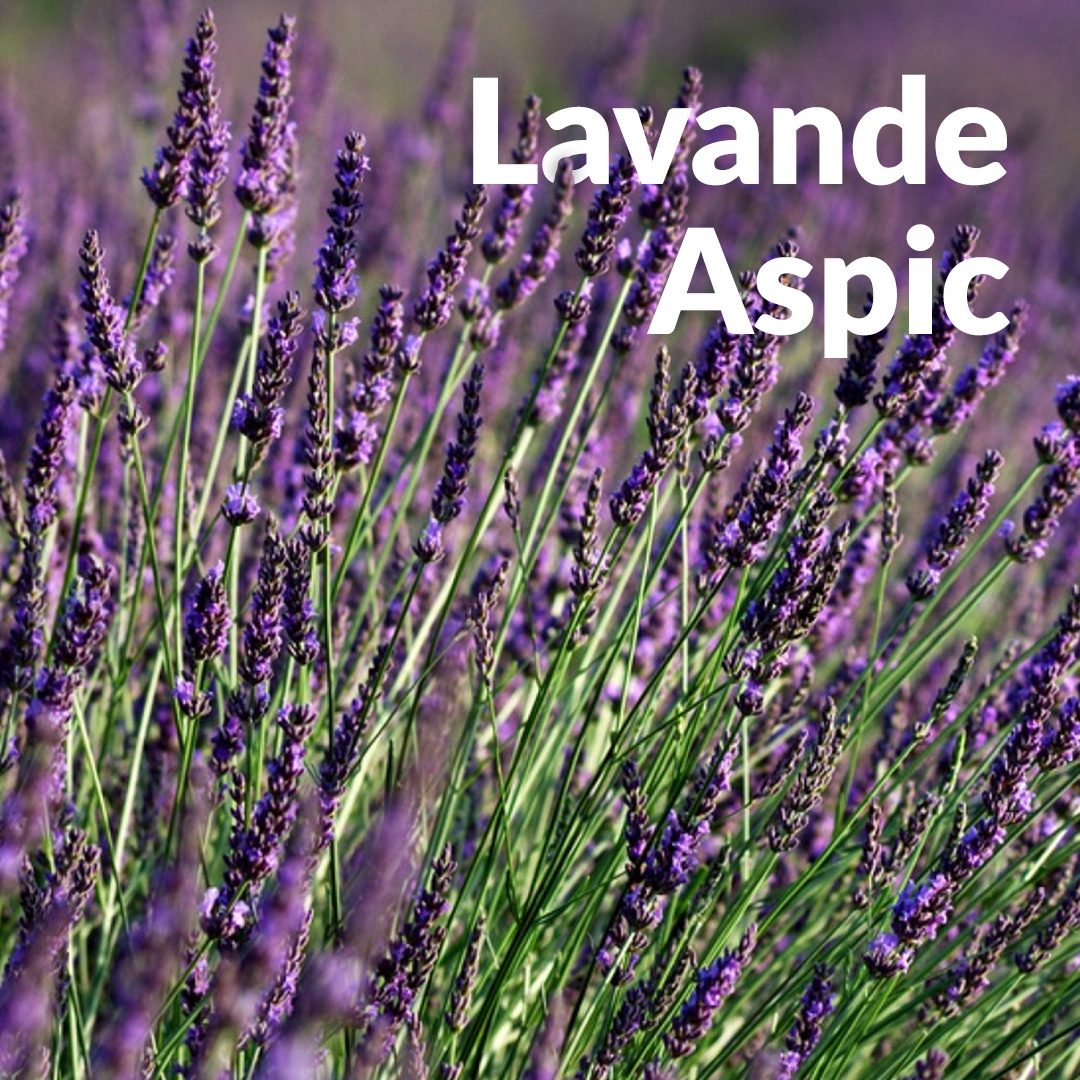
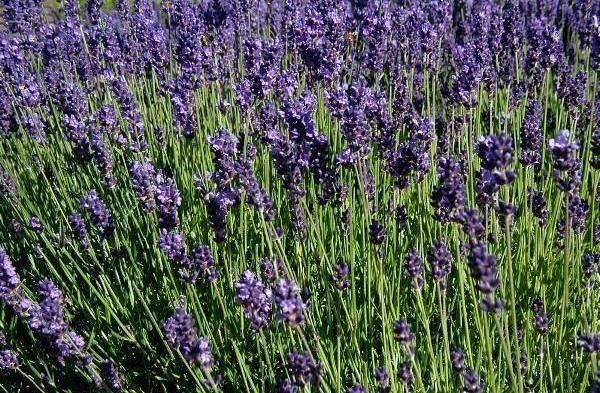
Partie de la plante: Flowering Summit
Origine: Spain
Lavenders belong to a large family that includes Thymes and Rosemaries, the Lamiaceae family. This large family of plants is frequently used in aromatherapy and phytotherapy.
Like all Lavenders, Lavender Aspic is a small shrub that grows in Europe around the Mediterranean. It thrives on arid, chalky, sunny soils and slopes. It grows at lower altitudes than Fine Lavender, below 1,000 meters. Slightly larger than True Lavender, Lavender Aspic has green leaves and small, camphor-scented violet flowers, and blooms about 1 month later than other lavenders.
Abandoned by perfumers, Lavender Aspic, with its high 1,8-cineole content, is widely used in aromatherapy for its beneficial effects on the skin.
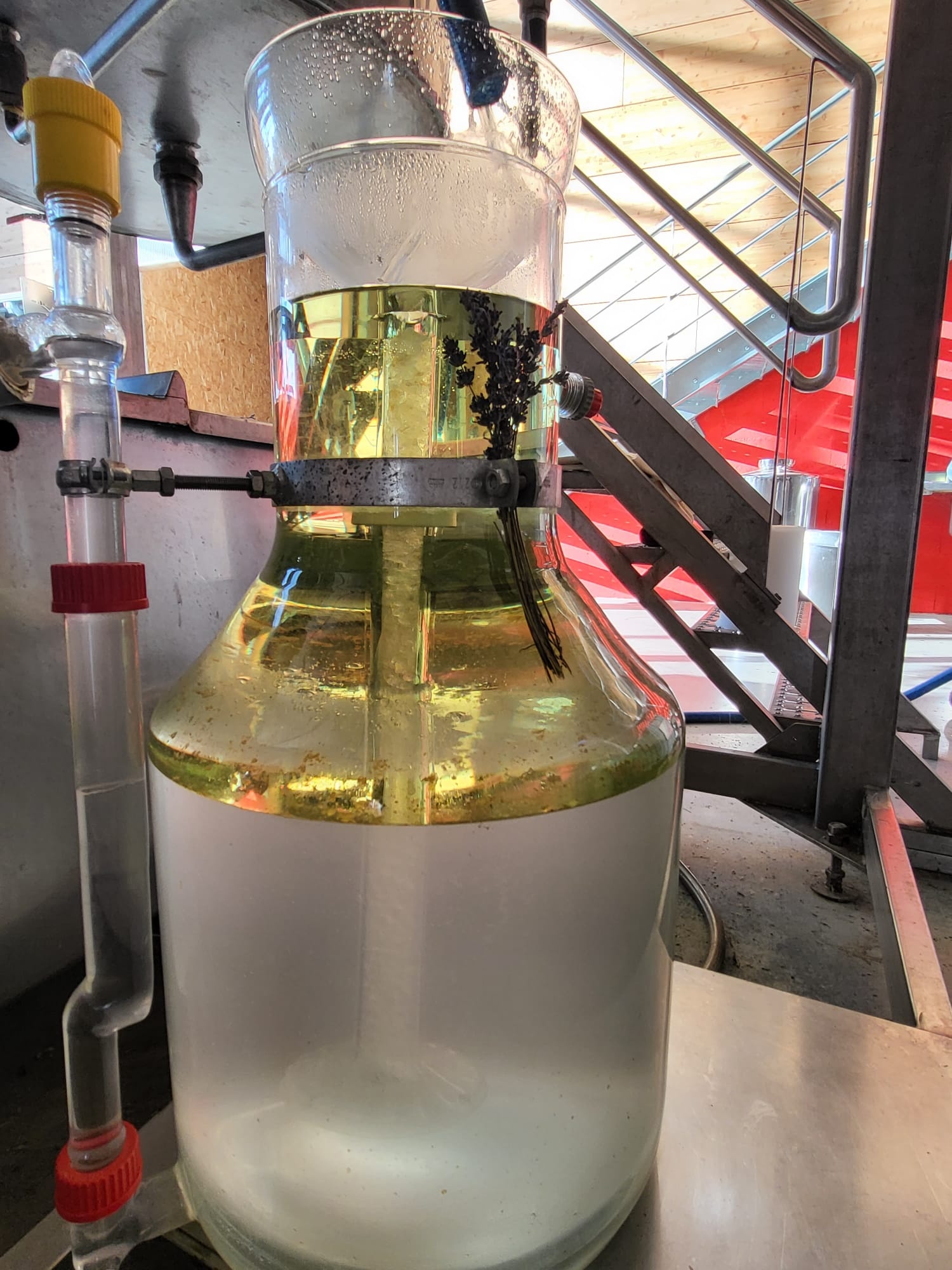
Les images de la distillation
Publications scientifiques
Une sélection d'études issues de PubMed portant sur cette plante.
-
The Effects of Spiritual Care with and Without Aromatherapy on the Sleep Quality of Prisoners Referred to the Emergency Department of the Prison Clinic in Iran: A Randomized Clinical Trial.
A clinical study found that aromatherapy using lavender oil, combined with spiritual care, significantly improved the quality of sleep among prisoners.
-
Relaxing Environment Lowers Anxiety During Chemodenervation: a Randomized Trial.
A study found that a relaxing environment—including lavender aromatherapy, soft music, and dim lighting—significantly reduced patients' anxiety before a medical procedure.
-
Myrtenol from Lavender Essential Oil Possesses Neuroprotective Effects and Promotes Neurite Outgrowth by Potentially Targeting TrkA and IGF-1R in PC12 Cells.
This study found that myrtenol, a component of lavender essential oil, exhibited neuroprotective effects and promoted neurite growth in PC12 cells, suggesting its potential for research into neurodegenerative disorders.
-
Lavender Essential Oil-Induced Enhancement of Exercise-Responsive Myokine Expression and Alteration of Muscle-Related Gene Networks in an in Vitro Muscle Contraction Model.
This in vitro study found that lavender essential oil modulates gene networks in skeletal muscles and increases the expression of interleukin-6 during muscle contraction stimulation.
-
Comparative Effects of Lavender Aromatherapy and Nature Sounds on Anxiety and Pain in Cataract Surgery Patients: A Randomized Controlled Trial.
A study found that lavender aromatherapy significantly reduced anxiety and pain in patients undergoing cataract surgery, with no adverse effects.
-
Aromatherapy with lavender essential oil for the control of dental anxiety in patients undergoing dental surgery: A triple-blind randomized clinical trial.
This clinical study found that aromatherapy using lavender essential oil helped reduce certain stress markers (heart rate, respiratory rate, cortisol) and the amount of anesthetic used during dental surgery.
-
Effect of Lavender Essential Oil-based Aromatherapy on Anxiety: An Overview of Results of Recent Randomized Controlled Trials.
This review of studies suggests that aromatherapy using lavender essential oil may help reduce anxiety in various populations, such as students and patients.
-
Antiparasitic activity of peppermint and lavender essential oil nano-emulsions against Toxoplasma gondii RH strain in vitro and in vivo.
Nanoemulsions of peppermint and lavender essential oils have demonstrated antiparasitic activity against Toxoplasma gondii in vitro and in vivo in mice, reducing the parasite load and prolonging survival.
-
Code Lavender: Recognizing and Responding to Emotional Crises Among Nurses.
A study found that the Code Lavender program—an emotional support initiative for healthcare workers—has demonstrated professional, organizational, and personal benefits.
-
Alginate microcapsules for topical delivery of lavender essential oil: Impact of divalent crosslinkers on release, antibacterial efficacy and biocompatibility.
This study developed alginate microcapsules for lavender essential oil. These capsules demonstrated antibacterial and anti-inflammatory activity, suggesting an effective delivery system.
-
The Aqueous Extract of De-Oiled Lavender Exerts Hypnotic Effect Through the GABAergic System in Mice.
A study found that an aqueous extract of defatted lavender had a hypnotic effect in mice, acting through the GABAergic system.
-
Code Lavender: Roots and Wings.
This article describes "Code Lavender" as an effective tool for managing stress among healthcare workers. It explores its history and success in this context, based on the analysis of experienced practitioners.
-
Effects of Aromatherapy Through Inhalation on Work Stress and Job Satisfaction Among Health Professionals.
A study found that inhaling lavender essential oil may reduce work-related stress and improve job satisfaction among healthcare professionals.
-
Short- and long-term effects of inhaled lavender essential oil on anxiety, fatigue, blood pressure, and sleep quality in middle-aged adults with hypertension: A randomized placebo-controlled pilot study.
This pilot study found that inhaling lavender essential oil may reduce anxiety and blood pressure in the short term and improve fatigue and sleep quality after seven days in adults with hypertension.
-
The effect of aromatherapy with lavender essential oil on odor intensity, sexual quality of life, and ostomy adjustment: A clinical trial.
A clinical study found that aromatherapy using lavender essential oil reduced the intensity of odors and improved patients' sexual quality of life and adjustment to their ostomy.
-
Inhalation Aromatherapy With Lavender for Postoperative Pain Management: A Systematic Review of Randomized Controlled Trials.
A systematic review found that aromatherapy involving the inhalation of lavender significantly reduced postoperative pain in adults. Further studies are needed to draw definitive conclusions.
-
Scents modulate anxiety levels, but electroencephalographic and electrocardiographic assessments could diverge from subjective reports: a pilot study.
A pilot study found that inhaling lavender significantly reduced self-reported anxiety among participants, though it did not alter physiological measures.
-
Lavender-Neroli Aromatherapy for Reducing Dental Anxiety and Pain in Children During Anesthesia: A Two-Arm Randomized Controlled Trial.
A study found that aromatherapy using lavender and neroli reduced anxiety, pain, and certain vital signs (heart rate, blood pressure) in children undergoing dental anesthesia, compared to a control group.
-
The effect of lavender essential oil aromatherapy on anxiety and fatigue in patients with implantable cardioverter defibrillator: randomized controlled trial.
A study found that aromatherapy using lavender essential oil may help reduce anxiety and fatigue in patients with implantable cardiac defibrillators.
-
Effect of aromatherapy massage with lavender essential oil on sleep quality, pain, and mental and psychiatric disorders among breast cancer patients undergoing chemotherapy: a randomized controlled trial.
A study found that aromatherapy massage with lavender essential oil may improve sleep quality and reduce anxiety and pain in breast cancer patients undergoing chemotherapy.
-
The effect of lavender oil on anxiety before endoscopy in children: A randomized controlled trial.
A study found that inhaling lavender essential oil was effective in reducing anxiety in children before an endoscopy procedure.
-
Harnessing Essential Oils for Acetylcholinesterase Inhibition: A Literature Review.
This literature review found that certain essential oils, such as rosemary and lavender, show promising inhibitory effects on acetylcholinesterase, an enzyme linked to cognitive decline.
-
The effect of aromatherapy applied to pregnant women on sleep quality and fatigue level: A randomized clinical trial.
A clinical study found that inhaling lavender essential oil may improve sleep quality and reduce fatigue in pregnant women in their third trimester.
-
Evaluating the impact of lavender aromatherapy and music therapy on reducing stress, anxiety, and depression in female nurses during the COVID-19 pandemic.
This study found that lavender aromatherapy reduced physical and psychological stress among nurses. The effects were immediate and long-lasting, and even more pronounced when combined with music therapy.
-
Treatments of psychosomatic symptoms in Alzheimer's disease: a scoping review of the potential therapeutic effects of essential oils.
This review of in vitro and in vivo studies found that various essential oils may have a positive effect on memory, learning, and certain behavioral and cognitive symptoms associated with Alzheimer's disease.
-
The Effects of Aromatherapy With Clove and Lavender on Headache Caused by Spinal Anesthesia in Patients Undergoing Urological Surgery: A Randomized Clinical Trial Study.
This study found that aromatherapy using lavender and clove resulted in a greater reduction in post-spinal anesthesia headaches compared to standard care.
-
The effect of an aromatic solution applied after percutaneous nephrolithotomy on sore throat, thirst, and nausea-vomiting: A randomised controlled trial.
A study found that an aromatic solution made from lavender and ginger oils, applied after surgery, was associated with a significant reduction in postoperative sore throat, thirst, and nausea and vomiting.
-
Lavender improves sleep through olfactory perception and GABAergic neurons of the central amygdala.
This study in mice found that inhaling lavender essential oil reduced the time it took to fall asleep and increased non-REM sleep—even in cases of insomnia—through the sense of smell and specific neurons in the brain.
-
The efficacy of lavender oil on fatigue and sleep quality in patients with hematological malignancy receiving chemotherapy: a single-blind randomized controlled trial.
This study found that aromatherapy using lavender essential oil significantly improved sleep quality and helped reduce fatigue in patients with hematologic cancers undergoing chemotherapy.
-
The Combined Effects of Cold Foot Bath and Lavender Oil Inhalation on Autonomic Variables in Healthy Volunteers: A Randomized Controlled Trial.
This study suggests that the combination of a cold foot bath and the inhalation of lavender essential oil may modulate autonomic activity, promoting relaxation in healthy volunteers.
-
The effect of lavender aromatherapy and acetaminophen as preemptive on comfort and Nitroglycerin-induced headache in acute coronary syndrome.
A study found that lavender aromatherapy, when used preventively, was associated with less severe headaches and greater comfort in patients receiving nitroglycerin, compared to the control group.
-
The Effect of Lavender Aromatherapy on Heart Rate, Blood Pressure, and Perceived Stress Among Cardiac Rehabilitation Patients: A Pilot Study.
A pilot study found that lavender aromatherapy, administered via inhalation, significantly reduced negative emotions in patients undergoing cardiac rehabilitation, suggesting its potential for stress management.
-
Effects of aromatherapy on sleep quality in older adults: A meta-analysis.
A meta-analysis found that aromatherapy improved sleep quality in older adults. The use of lavender alone, in a non-inhalation form, and for less than 4 weeks, showed greater effectiveness.
-
Effects of Aromatherapy on Pain, Stress, and Behaviors of Newborns: A Randomized Controlled Trial.
A study found that massage with lavender essential oil may help reduce pain and stress in newborns and improve certain behaviors.
-
The effects of inhalation aromatherapy on pain, anxiety, and sleep quality in burn patients: A randomized controlled study.
A study found that inhalation aromatherapy using lavender essential oil reduced pain and improved sleep quality in burn patients.
-
Aromatherapy Using Lavender Oil Effectiveness on Pain and Anxiety After C-Section: A Randomized Controlled Trial.
This study found that aromatherapy using lavender essential oil significantly reduced pain and anxiety in women after a cesarean section, with no adverse effects.
-
The effectiveness of aromatic extract on insomnia: a meta-analysis.
This meta-analysis found that aromatic essential oils had a significant positive effect on insomnia among the participants studied.
-
Medicinal plants used in traditional medicine to enhance immunity: A survey in the southeastern area of Morocco and a literature review.
A study has documented the traditional use of plants such as oregano, lavender, and thyme by the Moroccan population to support the immune system. These uses are supported by the scientific literature.
-
The effect of different essential oils used in stoma bags of individuals with colostomy remooval of odor, life satisfaction and effect on stoma fit: Randomized controlled study.
A study found that placing lavender or peppermint essential oil in ostomy pouches reduced odor intensity and improved patients' quality of life and adaptation to their ostomy.
-
The effect of lavender and rosemary aromatherapy application on cognitive functions, anxiety, and sleep quality in the elderly with diabetes.
A study found that inhaling lavender and rosemary may improve cognitive function and sleep quality and reduce anxiety in older adults with diabetes.
-
Comparing the Effects of Lavender Aromatherapy and Mindfulness-Based Cognitive Therapy on Sexual Function in Women in Iran.
A study suggested that lavender aromatherapy might improve sexual arousal in women. It compared its effects to those of mindfulness-based cognitive therapy.
-
The effect of lavender and bergamot oil applied via inhalation on the anxiety level and sleep quality of surgical intensive care unit patients.
A study found that inhaling lavender and bergamot essential oils may help reduce anxiety and improve sleep quality in patients in surgical intensive care units.
-
Effect of Lavender Oil on Social Anxiety Among First-Year College Students.
A study found that lavender essential oil was associated with a significant reduction in social anxiety levels among first-year students.
-
The effect of the hand massage using baby oil with lavender application on the procedural pain and state anxiety of women undergoing brachytherapy: A parallel-group randomized controlled study.
A study found that massaging the hands with lavender-scented baby oil reduced pain and anxiety in women undergoing brachytherapy, compared to a control group.
-
Sex differences in the effects of aromatherapy on anxiety and salivary oxytocin levels.
This study found that, in women, aromatherapy using lavender essential oil was associated with reduced anxiety and increased levels of salivary oxytocin.
-
The Effect of Aromatherapy with Lavender Essential Oil on the Sleep and Fatigue Level of Patients with Multiple Sclerosis in Turkey: A Randomized Controlled Trial.
A study found that aromatherapy using lavender essential oil had significant effects on fatigue and sleep in patients with multiple sclerosis.
-
Effects of lavender essential oil inhalation aromatherapy on depression and sleep quality in stroke patients: A single-blind randomized controlled trial.
A study found that inhaling lavender essential oil may help reduce depression and improve sleep quality in patients who have had a stroke.
Nos recettes 1-2-3

Recipe 1,2,3 Confort Cutané with Causses fine lavender, Lavender aspic
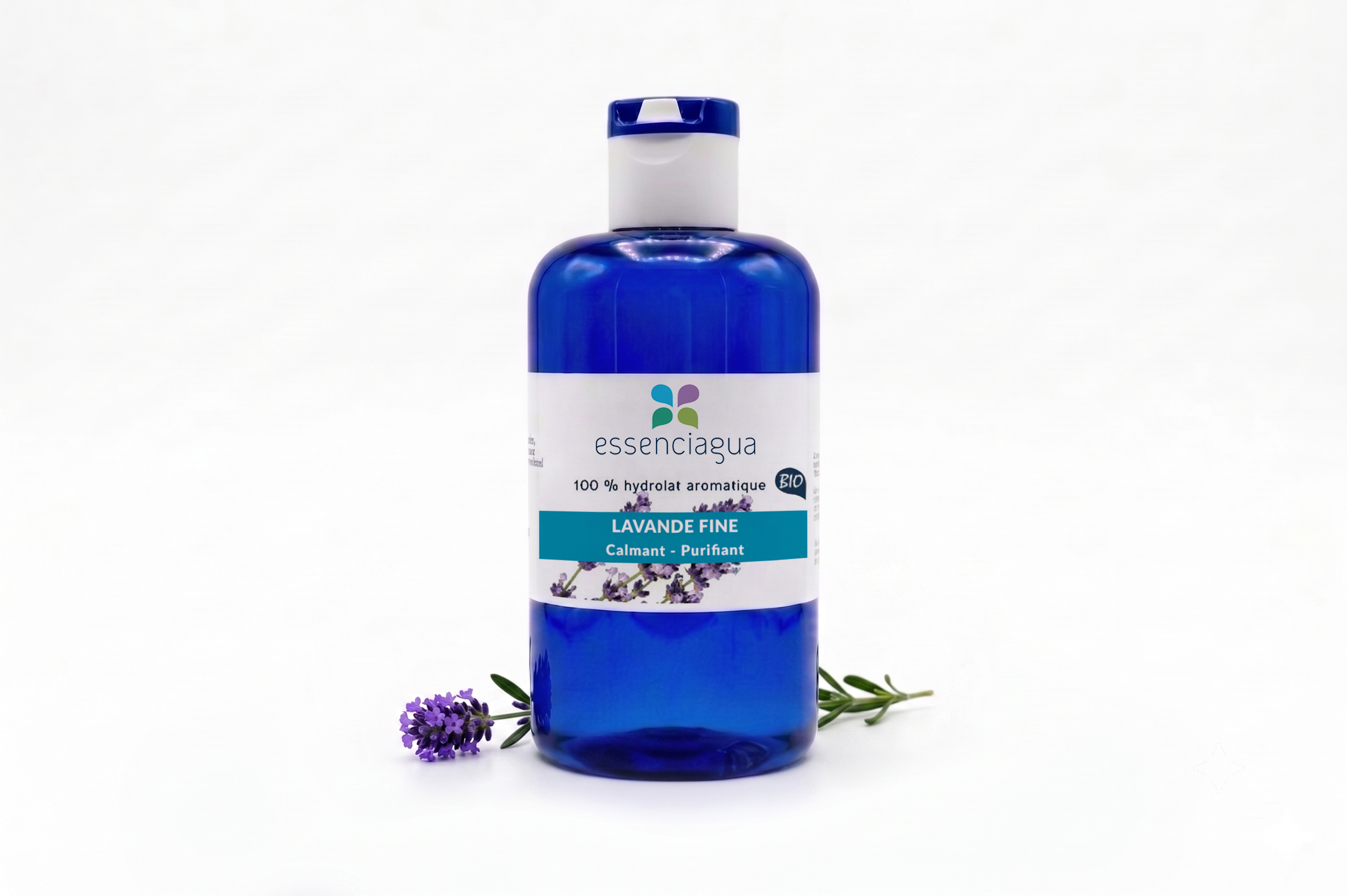
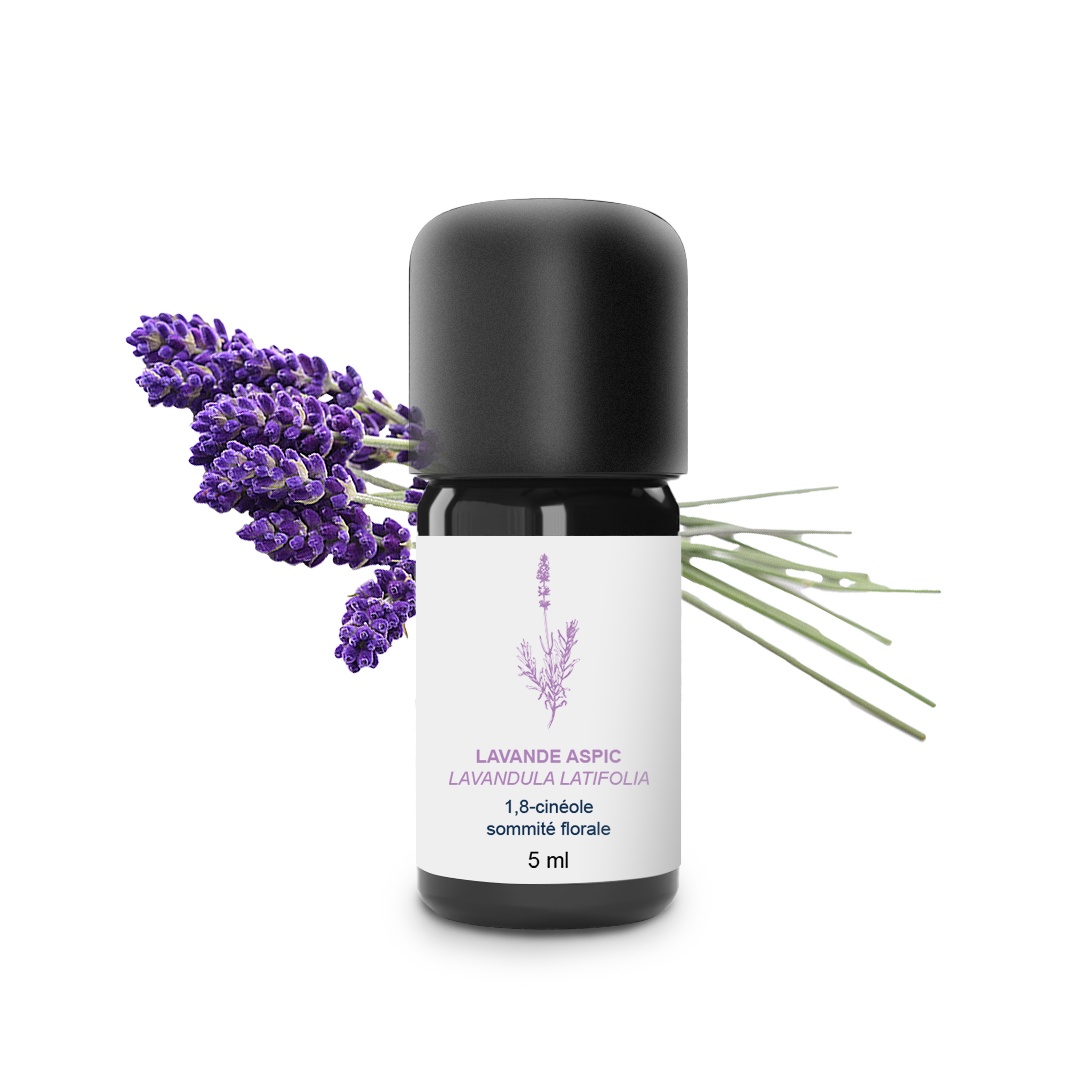
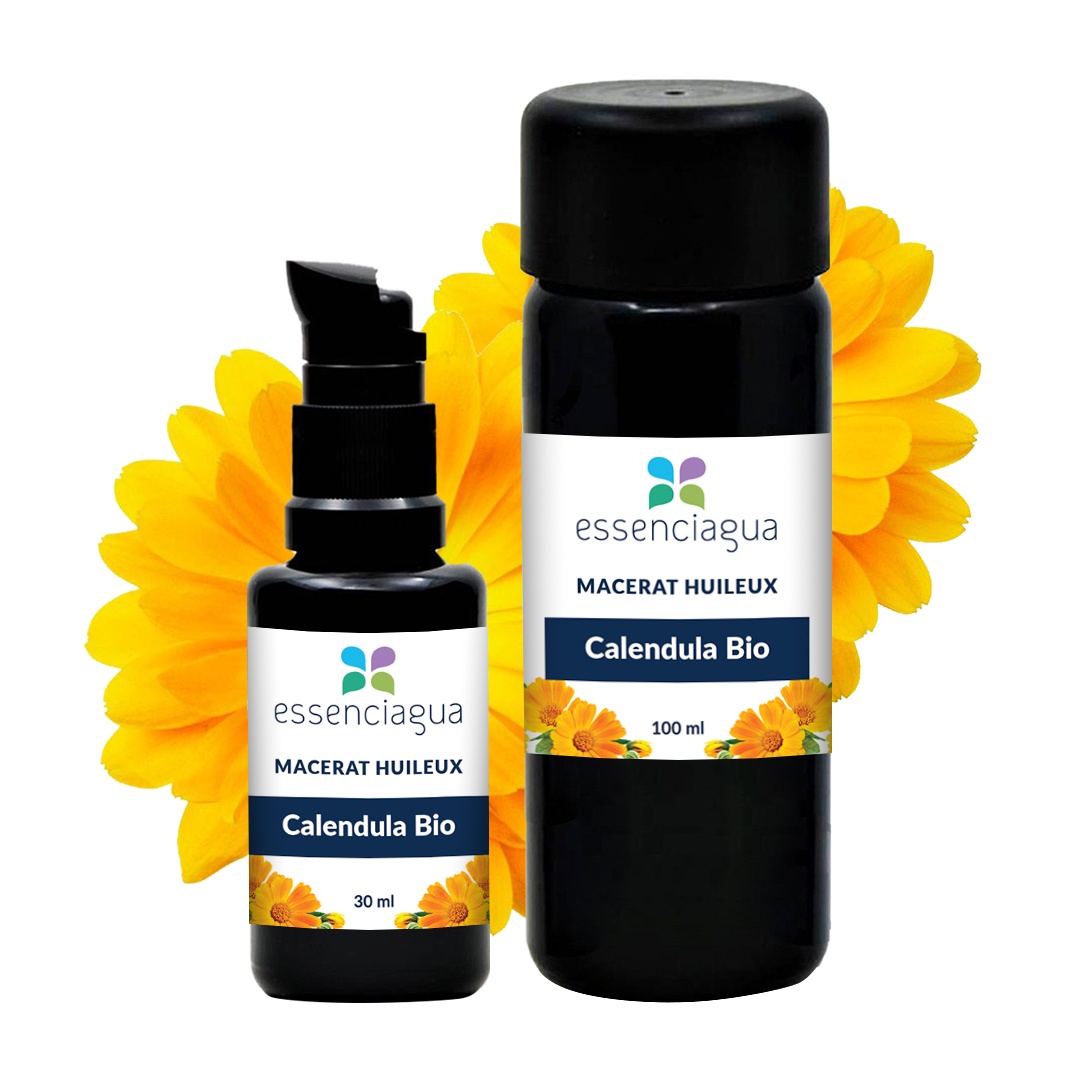
Recipe 1, 2, 3: Clarity & freshness with Spike Lavender & Fine Lavender from the Causses
An aromatic duo with herbaceous and floral notes for a feeling of cleanliness on the skin.
Recipe 1,2,3 Confort Cutané with Lavender aspic, Bourbon geranium
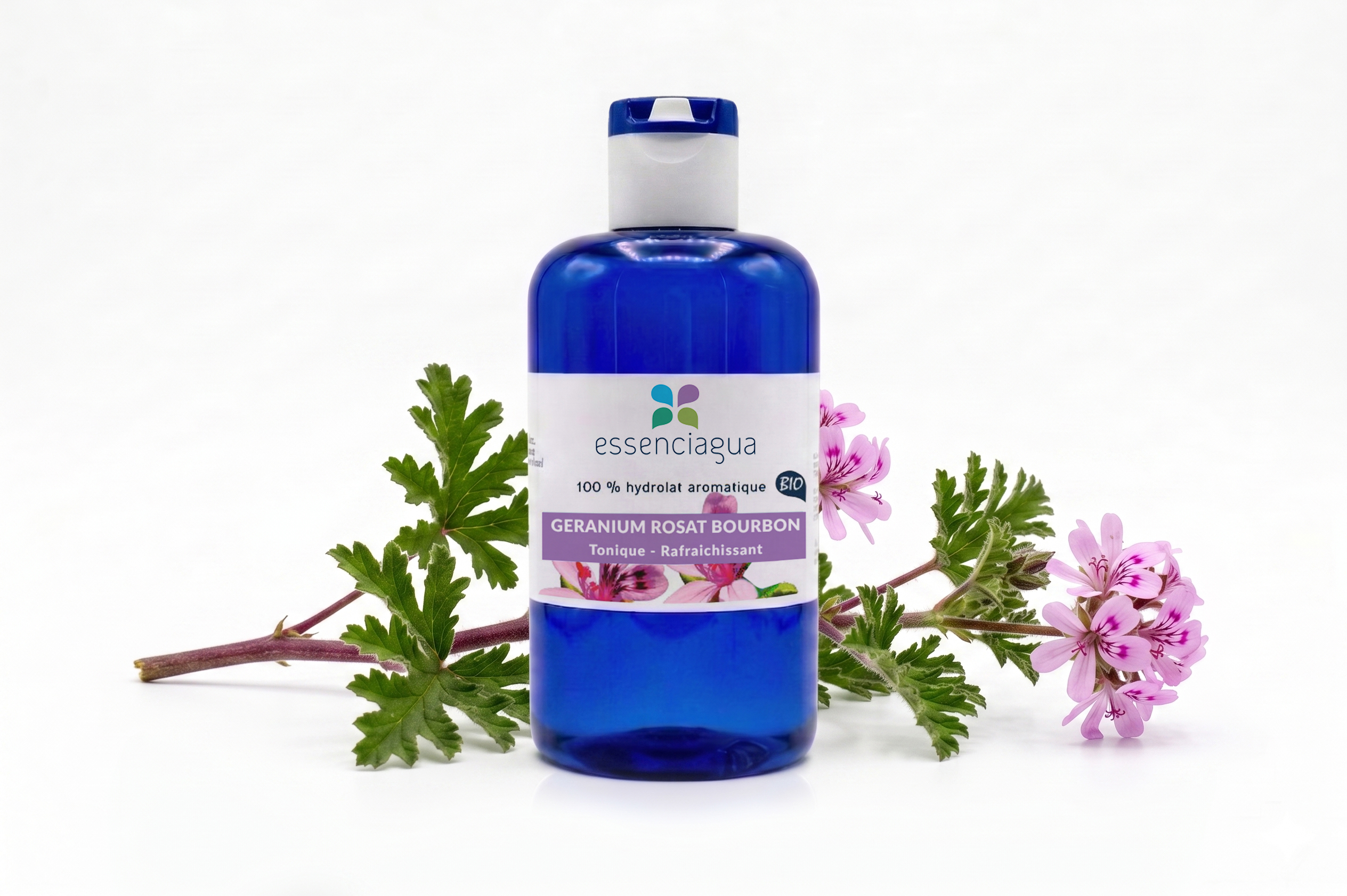
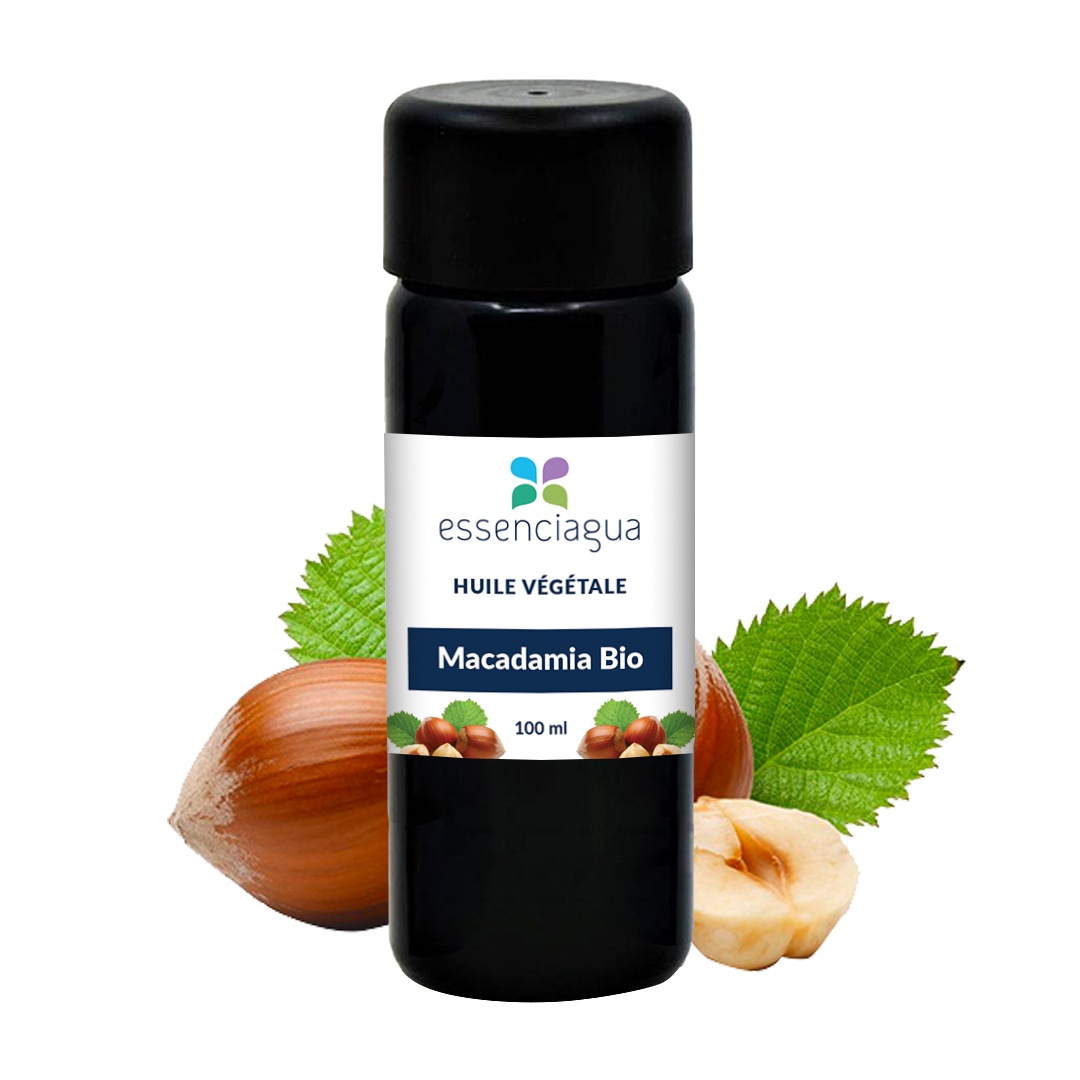
Envelop your skin in a gentle caress with our recipe based on Spike Lavender, Rose Geranium, and Macadamia. A simple step for renewed skin comfort.
Recipe 1,2,3 Soin du Cuir Chevelu with Lavender aspic, Causses fine lavender
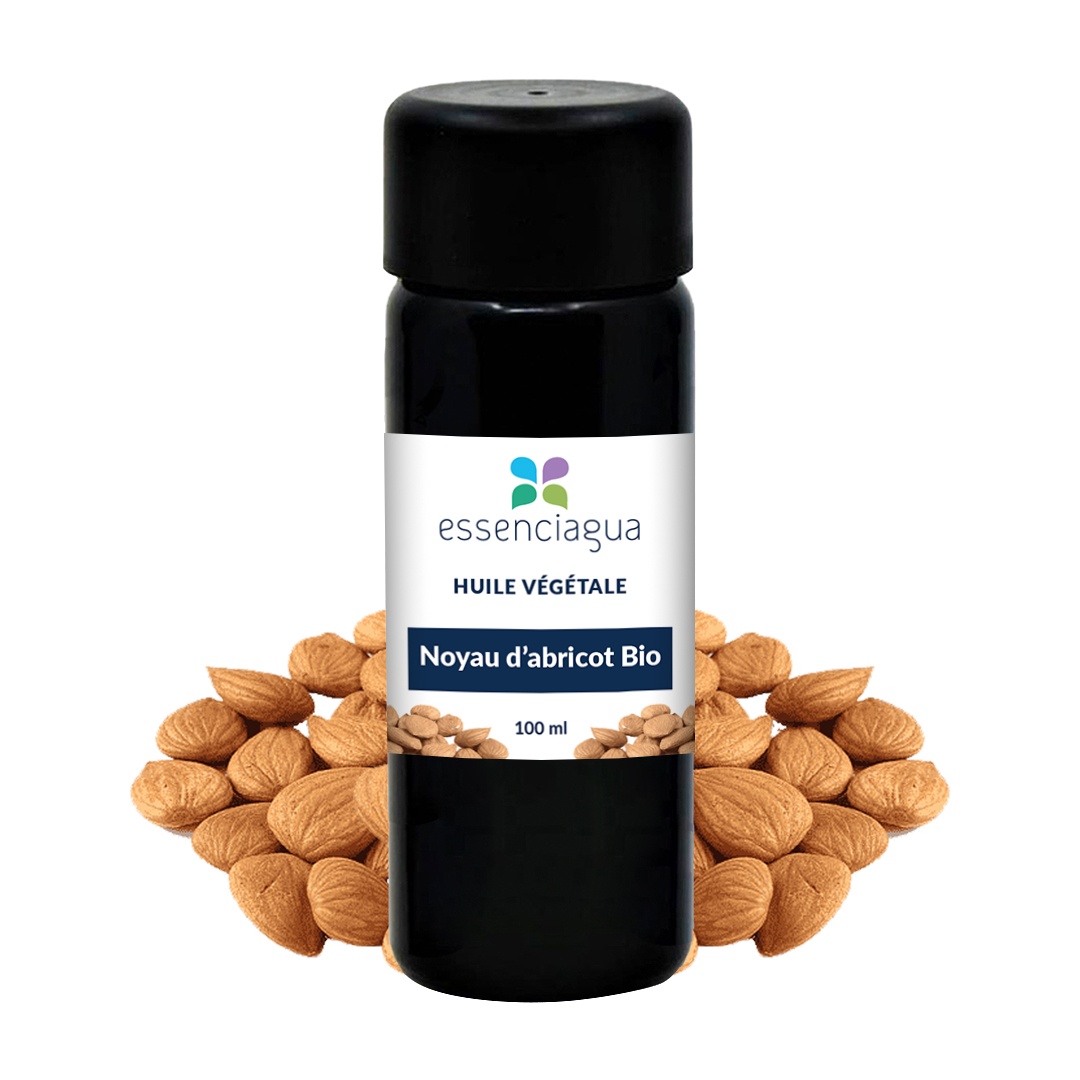
Treat your scalp to a gentle ritual with Spike Lavender, Fine Lavender Hydrolat, and Apricot Kernel oil. For a moment of comfort and well-being.
Recipe 1,2,3 Soin de la Peau with Lavender aspic, Noble laurel
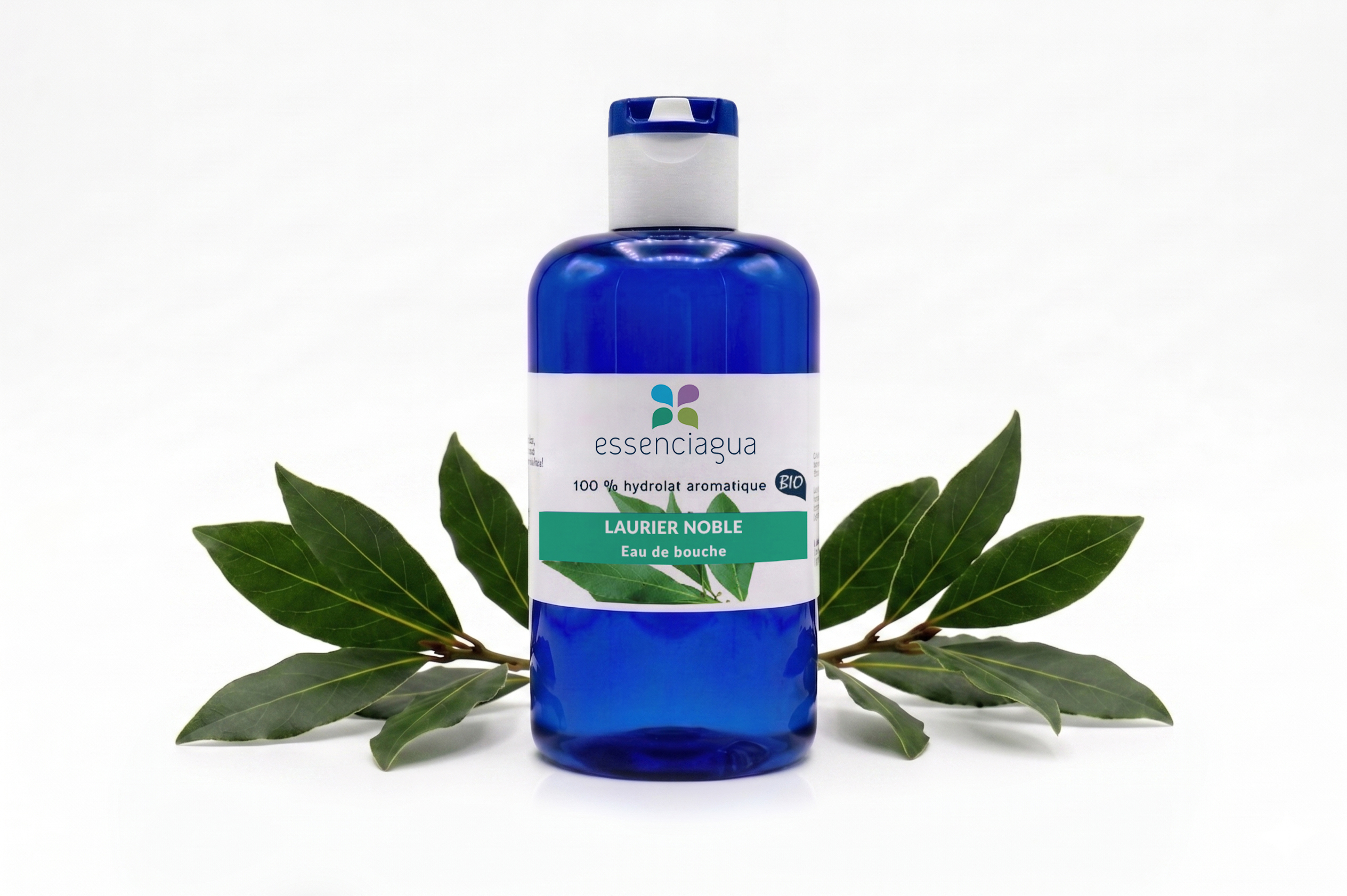
Treat your skin to a veil of softness with this soothing synergy of Spike Lavender, Bay Laurel, and Calendula. A simple gesture for a moment of skin well-being.
Pourquoi ce produit
This Spike Lavender essential oil has been selected for the subtlety of its floral expression. It allows for the creation of more delicate formulations, where aromatic balance matters as much as intensity.
Notre qualité
Essenciagua prioritizes selected raw materials, controlled transformation processes, and an approach attentive to the quality of the finished product. When the supply chain allows it, the company favors local or regional productions and small-batch production.
Idées d'utilisation
- In diffusion to create an aromatic atmosphere.
- Diluted in a carrier oil for suitable external application.
- In a homemade cosmetic preparation, observing the precautions for use.
- In combination with a hydrosol or a compatible carrier oil.