


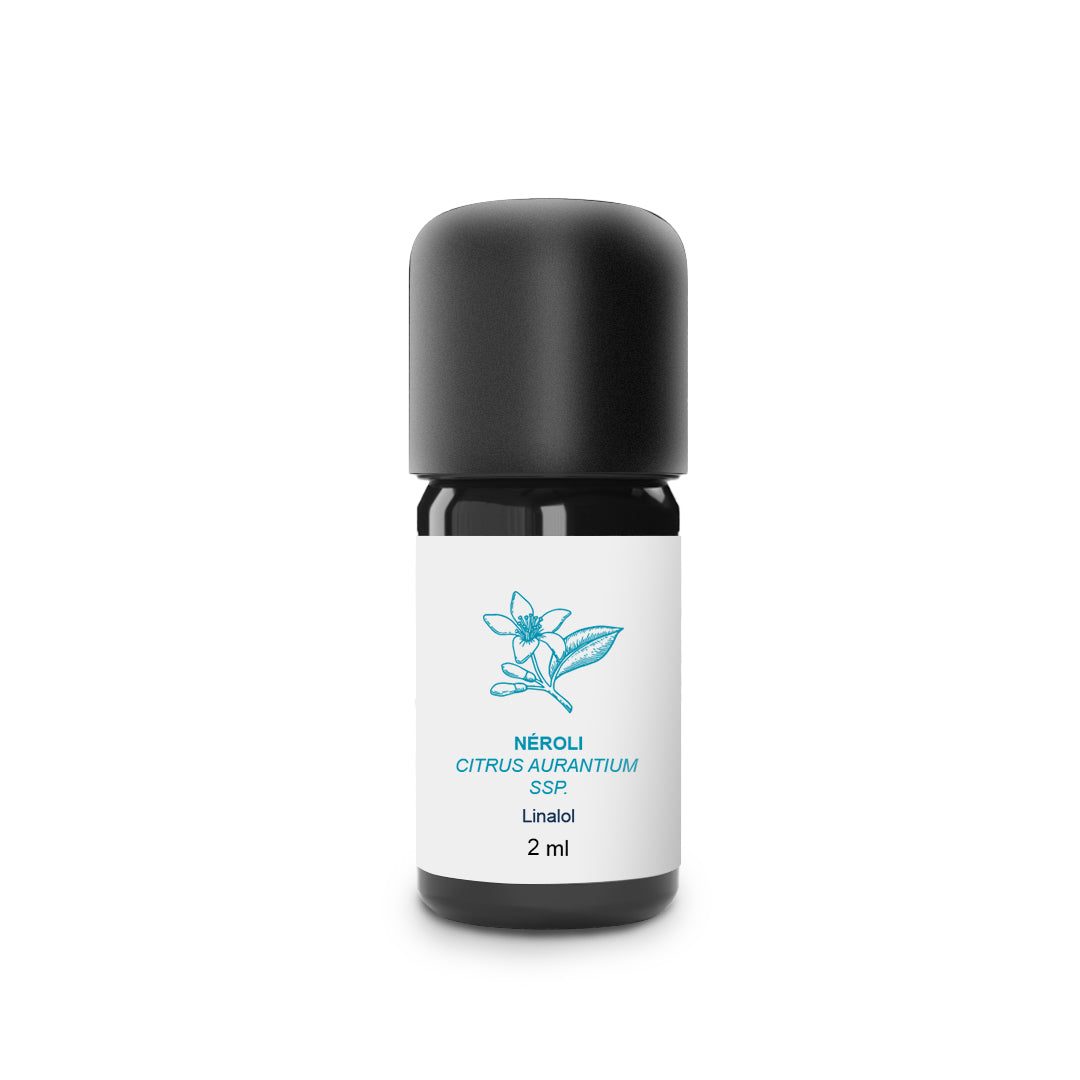
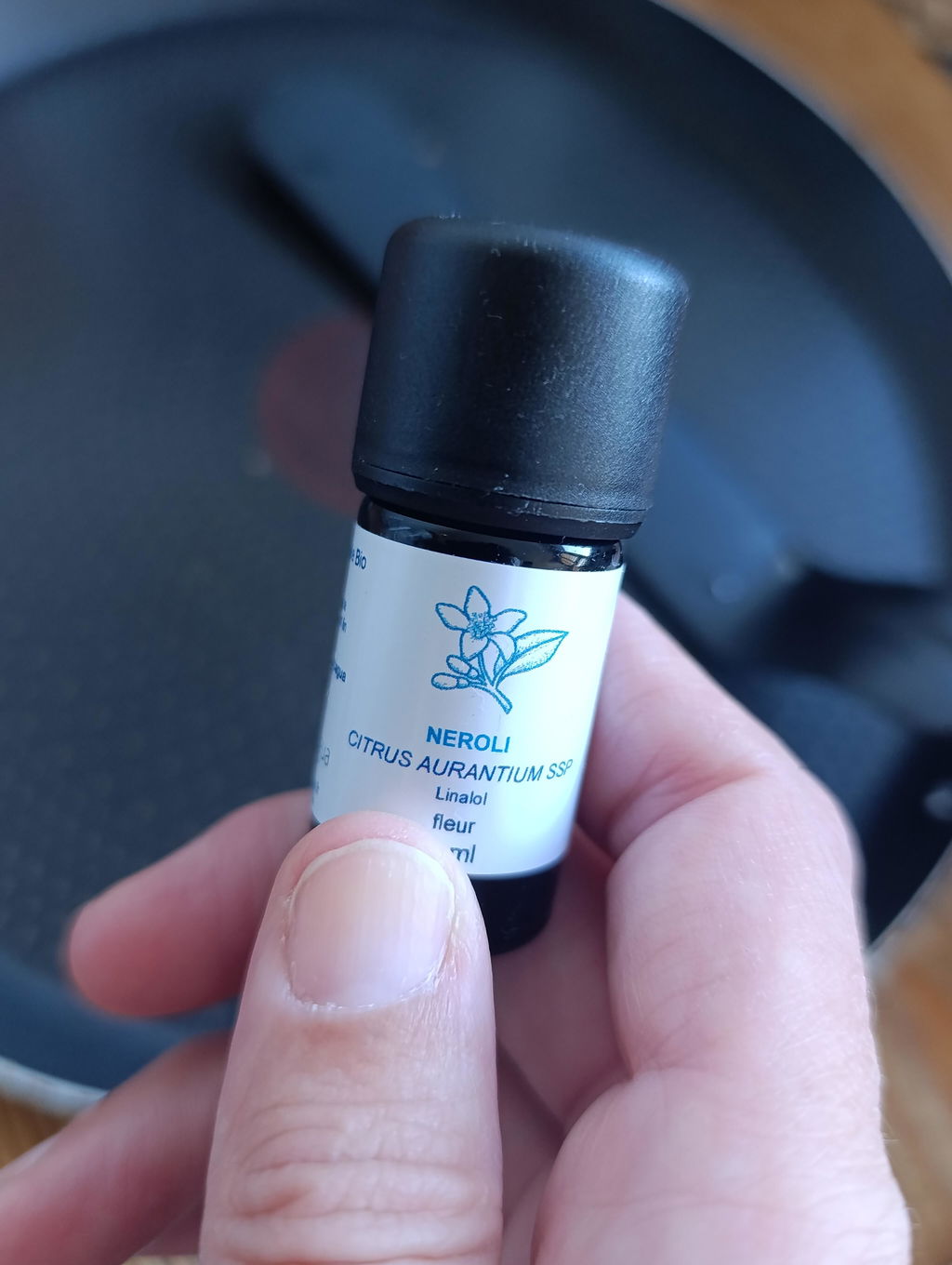
Découvrez notre Neroli Essential Oil 100% Organic and Handcrafted
Orange Blossom, or Neroli (Citrus Aurantium), comes from the bitter orange tree. Its evocative name is said to come from the Princess of Nerola, who particularly appreciated its delicate fragrance. This flower has long been associated with the sweetness and charm of Mediterranean gardens. Our Neroli Essential Oil is carefully selected for its quality, sourced from Morocco.
Its floral and subtle aroma can be used to delicately scent your drinks and desserts, bringing a touch of exoticism. When inhaled, Neroli unfolds an enchanting fragrance, both luminous and soothing. Its floral notes, rich and slightly honeyed, invite a sensory interlude, evoking serenity and joy. It is a fragrance that envelops the senses in a comforting sweetness, conducive to balance and well-being.
 Agriculture Biologique : label français garantissant un mode de production respectueux de l'environnement, sans pesticides ni engrais chimiques de synthèse.
Click the tabs to learn more
La Plante Neroli - Orange Blossom
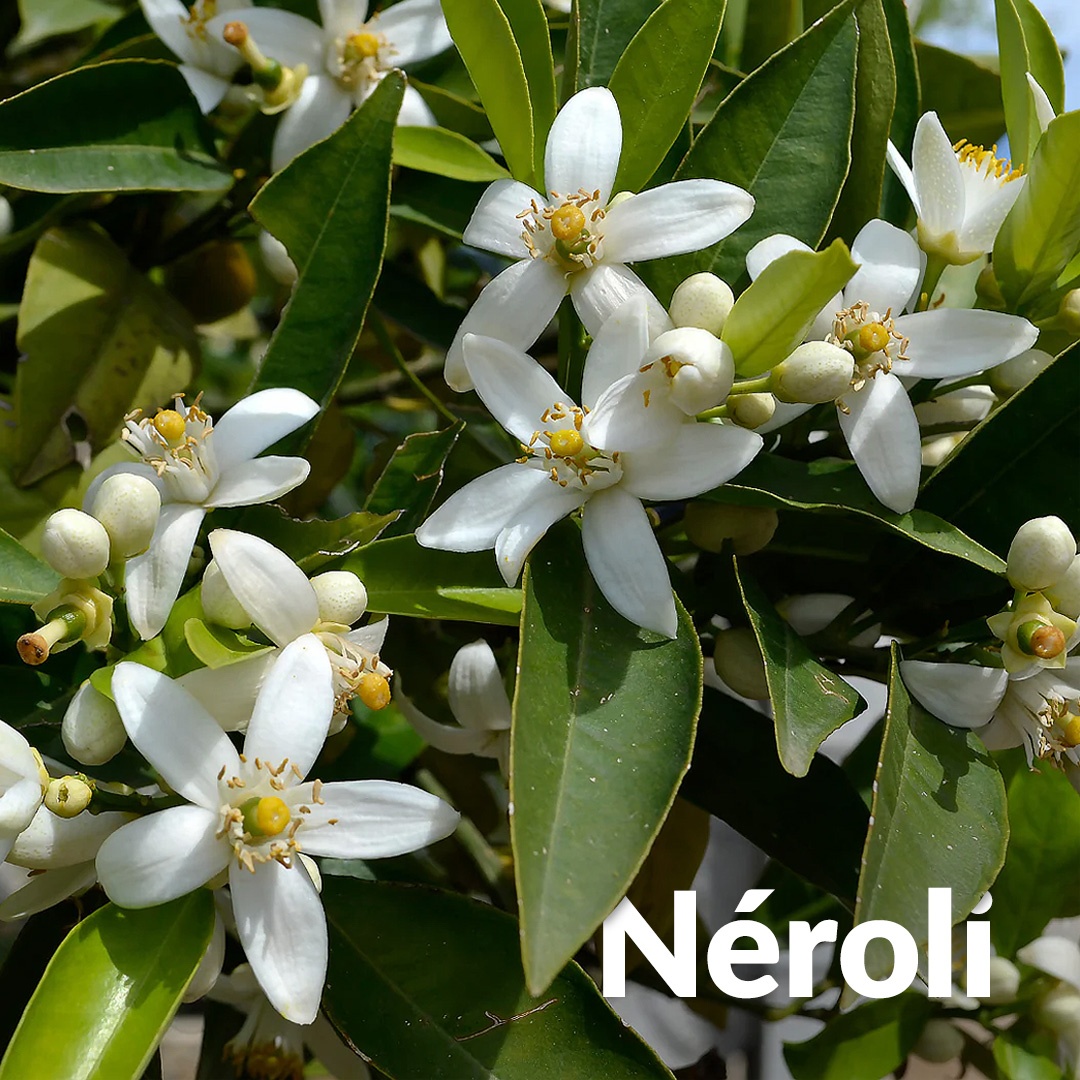
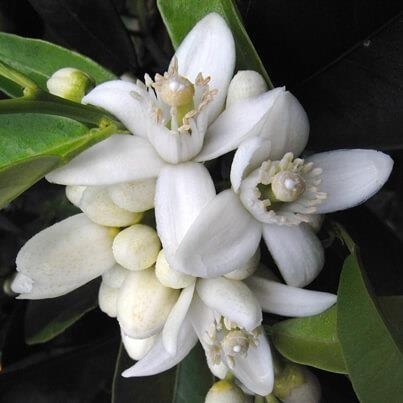
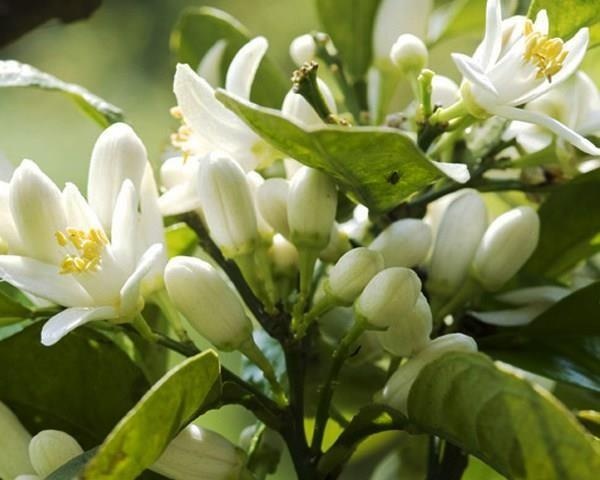
Partie de la plante: Flower
Origine: Morocco
Orange Blossom, also known as Neroli, is a pretty white or pale pink flower picked from the Bitter Orange tree. Bitter Orange is a shrub in the Rutaceae family, native to India and introduced around the Mediterranean during the Crusades. The twigs, flowers and fruit of this mythical tree were associated in all regions with festivities and bridal finery, symbols of innocence, freshness and fertility. In the 16th century, the princess of Neroli (a small town near Rome) launched the fashion for its use and gave it its name. Already in ancient China, the fragrance of Bitter Orange blossoms was so fascinating that the flowers were soaked in fatty oil for a variety of uses. Traces of steam distillation date back to the 12th century.
The delicate, intoxicating scent of Orange Blossom continues to delight perfumers, who often include it in their compositions to add a touch of freshness. While Neroli essential oil remains highly prized by perfumers, it is also traditionally used for therapeutic purposes.
Publications scientifiques
Une sélection d'études issues de PubMed portant sur cette plante.
-
Effects of inhaled aromatherapy on sleep quality and cognitive function in older adults: a randomised controlled trial.
This study found that inhalation aromatherapy improved the duration and quality of sleep (deep, REM sleep) and reduced the time it took to fall asleep in older adults. Improvements in cognitive function were also observed.
-
Therapeutic potential of Neroli Essential Oil (Citrus aurantium) in obstetrics and gynecology: A systematic review.
This systematic review found that neroli essential oil reduces pain (dysmenorrhea, labor), anxiety, depression, and nausea, while improving sleep and sexual satisfaction in women.
-
Citrus Essential Oil Nanoemulsions Mitigate Cardiac, Hepatic, and Pancreatic Injury in High-Fat Obese Rats via Adiponectin/SIRT1/Nrf2 Signaling Pathways.
A study of obese rats found that nanoemulsions of Citrus japonica essential oil reduced hepatic steatosis and alleviated obesity-induced heart and pancreatic damage.
-
Effectiveness of aromatherapy on physiological and psychological symptoms during pregnancy: a systematic review and meta-analysis.
A systematic review and meta-analysis found that aromatherapy significantly reduced nausea, vomiting, and anxiety in pregnant women and improved sleep quality.
-
Heart Rate Variability Sensing Can Reveal Characteristic Autonomic Modulation via Aromatherapy in Relation to the Effects on Feeling: A Study on Citrus Aurantium Oil and Rose Water.
A study found that bitter orange oil (Citrus aurantium) significantly reduced feelings of discomfort, anxiety, and tension in participants, while stimulating the parasympathetic nervous system.
-
The effect of Citrus aurantium inhalation aromatherapy on chemotherapy-induced nausea and vomiting in breast cancer patients: a randomized controlled trial.
A study found that aromatherapy involving the inhalation of Citrus aurantium significantly reduced chemotherapy-induced nausea and vomiting in breast cancer patients, particularly between the 3rd and 5th days.
-
The Efficacy of Aromatherapy in Alleviating Anxiety among Acute Myocardial Infarction Patients: A Systematic Review and Meta-Analysis.
A systematic review found that aromatherapy—particularly with geranium, chamomile, and bitter orange—was associated with a significant reduction in anxiety and systolic blood pressure in patients who had suffered a myocardial infarction.
-
Lavender-Neroli Aromatherapy for Reducing Dental Anxiety and Pain in Children During Anesthesia: A Two-Arm Randomized Controlled Trial.
A study found that aromatherapy using lavender and neroli reduced anxiety, pain, and certain vital signs (heart rate, blood pressure) in children undergoing dental anesthesia, compared to a control group.
-
Effect of Citrus Aurantium L. on pain and blood pressure in patients undergoing hand reconstructive surgery.
A study found that Citrus Aurantium essential oil significantly reduced postoperative pain in patients who had undergone hand surgery. It also showed an initial decrease in systolic blood pressure.
-
Effects of Essential Oil Inhalation on the Enhancement of Plasma and Liver Lipid Metabolism in Mice.
A study in mice found that inhaling *Citrus aurantium* essential oil reduced body fat, blood cholesterol, and triglycerides, while limiting weight gain and fat mass.
-
The effect of aromatherapy with Citrus Aurantium essential oil on depression, stress and anxiety in pregnant women; a randomized controlled clinical trial.
A study found that aromatherapy using Citrus Aurantium essential oil significantly reduced depression and anxiety scores in pregnant women.
-
Aromatherapy for Sleep Promotion in the ICU: Insights and Future Directions.
This study suggests that aromatherapy—particularly with lavender, chamomile, and neroli—may help improve sleep quality in intensive care patients. It highlights the potential of this approach.
-
Effect of inhaled aromatherapy on sleep quality in critically ill patients: A systematic review and network meta-analysis.
A meta-analysis found that a combination of lavender, chamomile (Matricaria recutita), and neroli essential oils significantly improved sleep quality in intensive care patients.
-
Effect of Citrus aurantium and chamomile aromas on anxiety and vital signs in cardiac care unit patients: A randomized clinical trial.
A clinical study found that inhaling bitter orange and chamomile scents reduced anxiety and improved heart rate in patients in a cardiac care unit.
-
The effectiveness of aromatic extract on insomnia: a meta-analysis.
This meta-analysis found that aromatic essential oils had a significant positive effect on insomnia among the participants studied.
-
Flower Power: An Overview on Chemistry and Biological Impact of Selected Essential Oils from Blossoms.
This literature review suggests that essential oils derived from flowers may have positive effects on humans and improve quality of life in various situations.
Nos recettes 1-2-3
Une recette 1, 2, 3, ce sont trois produits et trois gestes simples, pensés ensemble pour répondre à un besoin précis.
Choisissez celle qui vous ressemble : les quantités et les étapes sont déjà prêtes, il n’y a plus qu’à suivre.

Recipe 1,2,3 Bien-être Émotionnel with Neroli - Orange Blossom, Roman chamomile
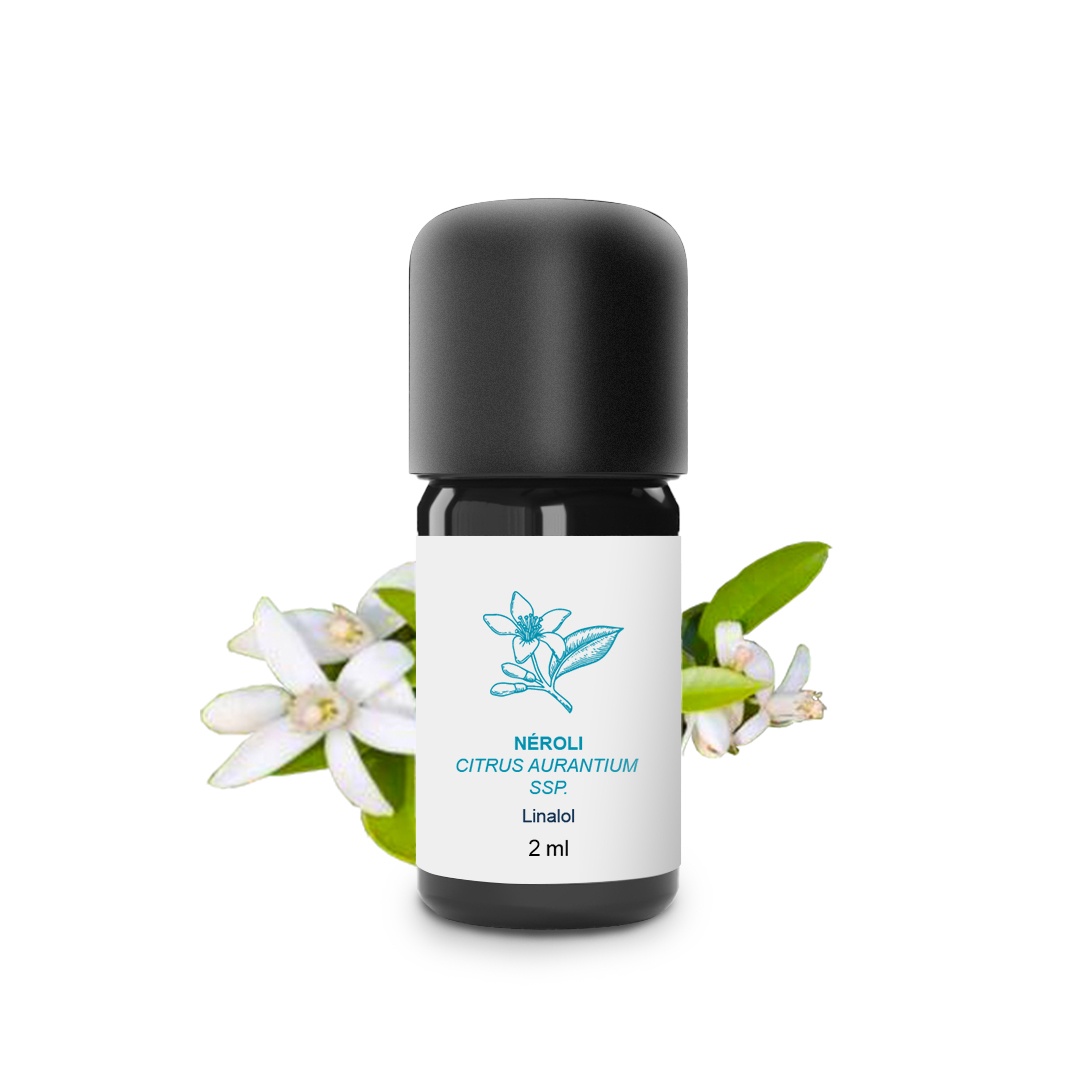
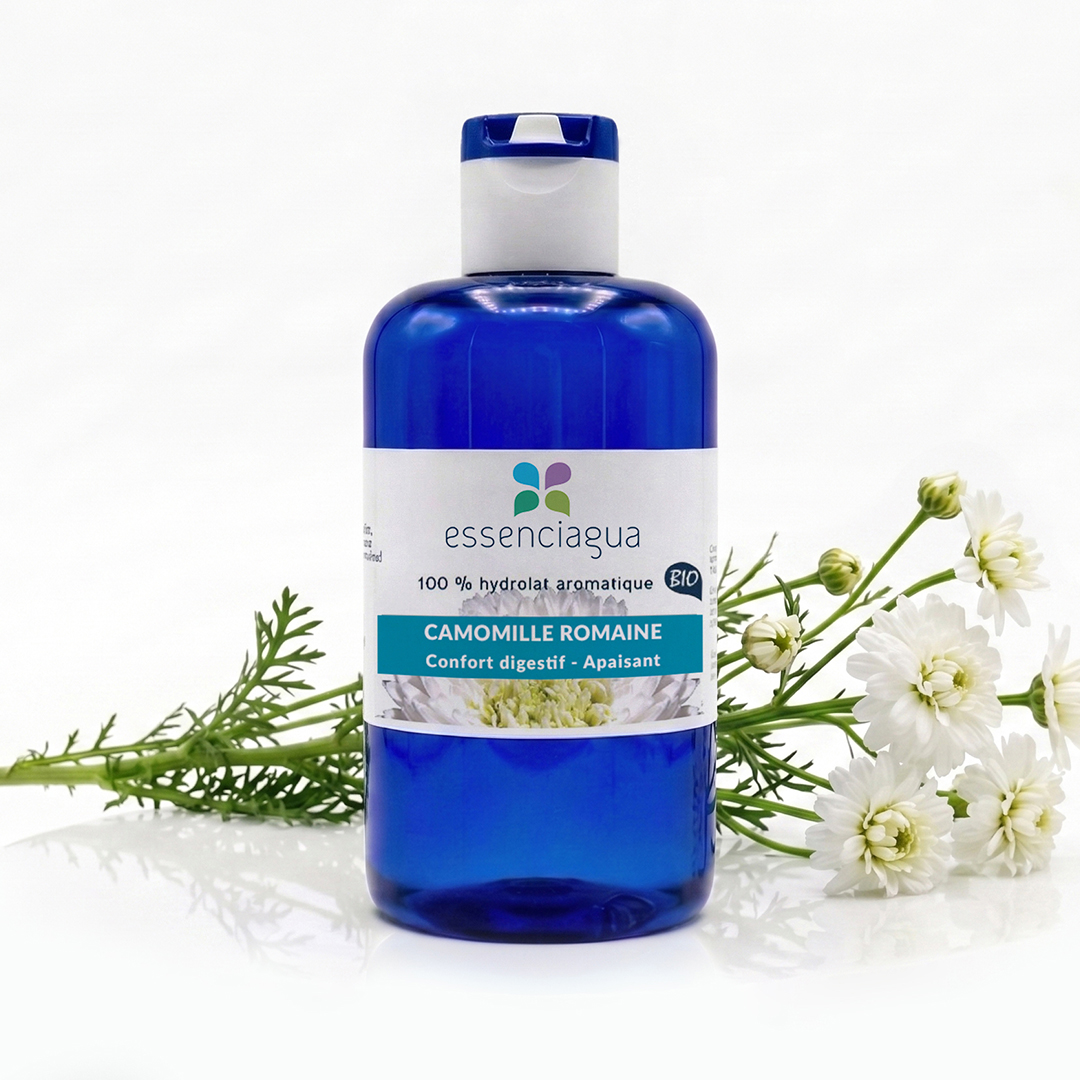
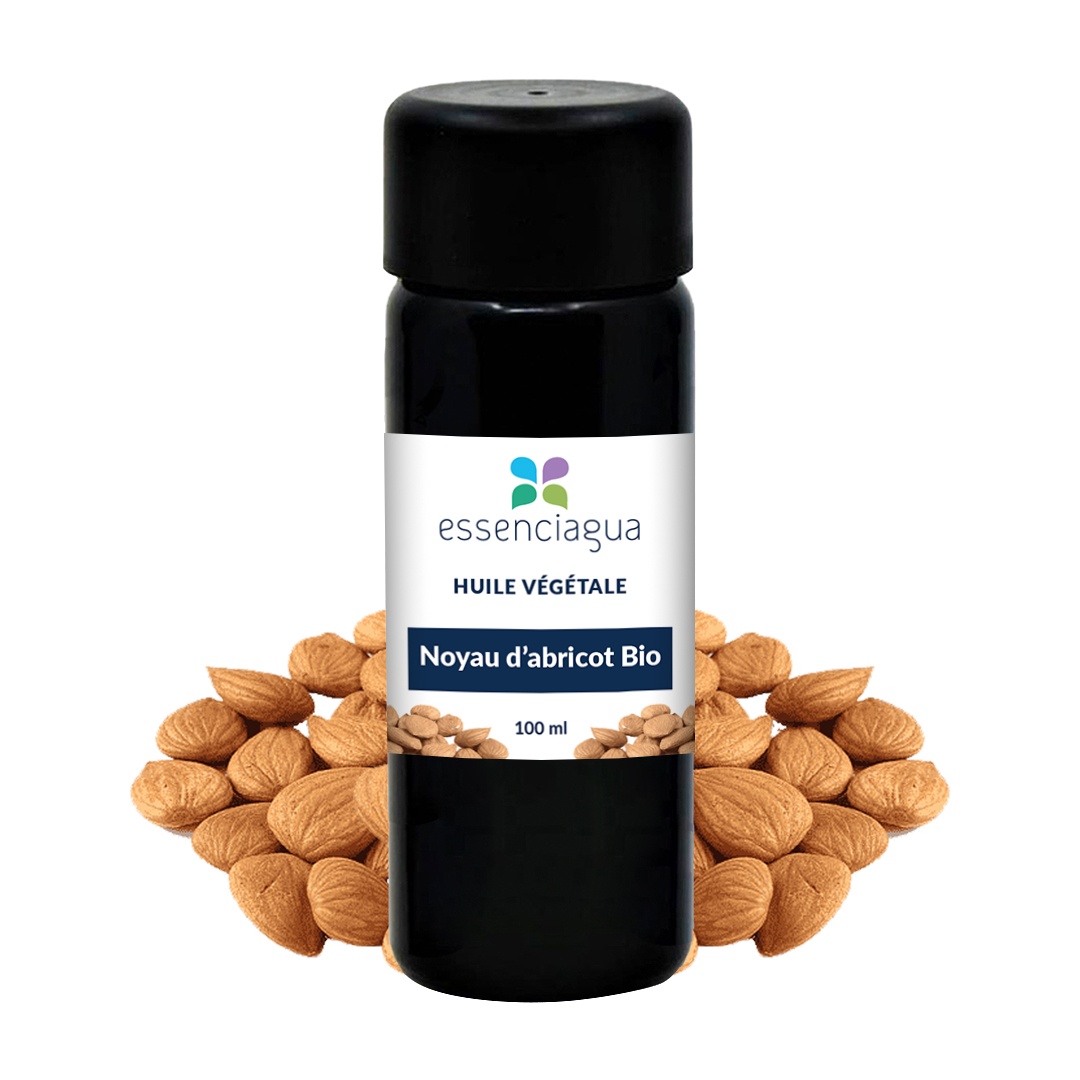
Treat yourself to a moment of serenity with this delicate mist. Neroli and Roman Chamomile unite for gentle emotional comfort.
Pourquoi ce produit
This Neroli essential oil has been selected for the clarity of its plant-based, aromatic profile, characteristic of the plant. It offers an identifiable expression of the plant, useful for building simple and consistent aromatic routines.
Notre qualité
Essenciagua prioritizes carefully selected raw materials, controlled processing methods, and a meticulous approach to the quality of the finished product. When the supply chain allows, the company favors local or regional production and small-batch manufacturing.
Idées d'utilisation
- In diffusion to create an aromatic ambiance.
- Diluted in a carrier oil for suitable external application.
- In a homemade cosmetic preparation, observing usage precautions.
- In combination with a hydrosol or a compatible carrier oil.
Bienfaits, mode d’emploi, précautions et conservation sont détaillés dans le guide de cette plante. Lire le guide
Avec la meme plante
Orange Blossom Hydrolat 100% Organic and Handcrafted
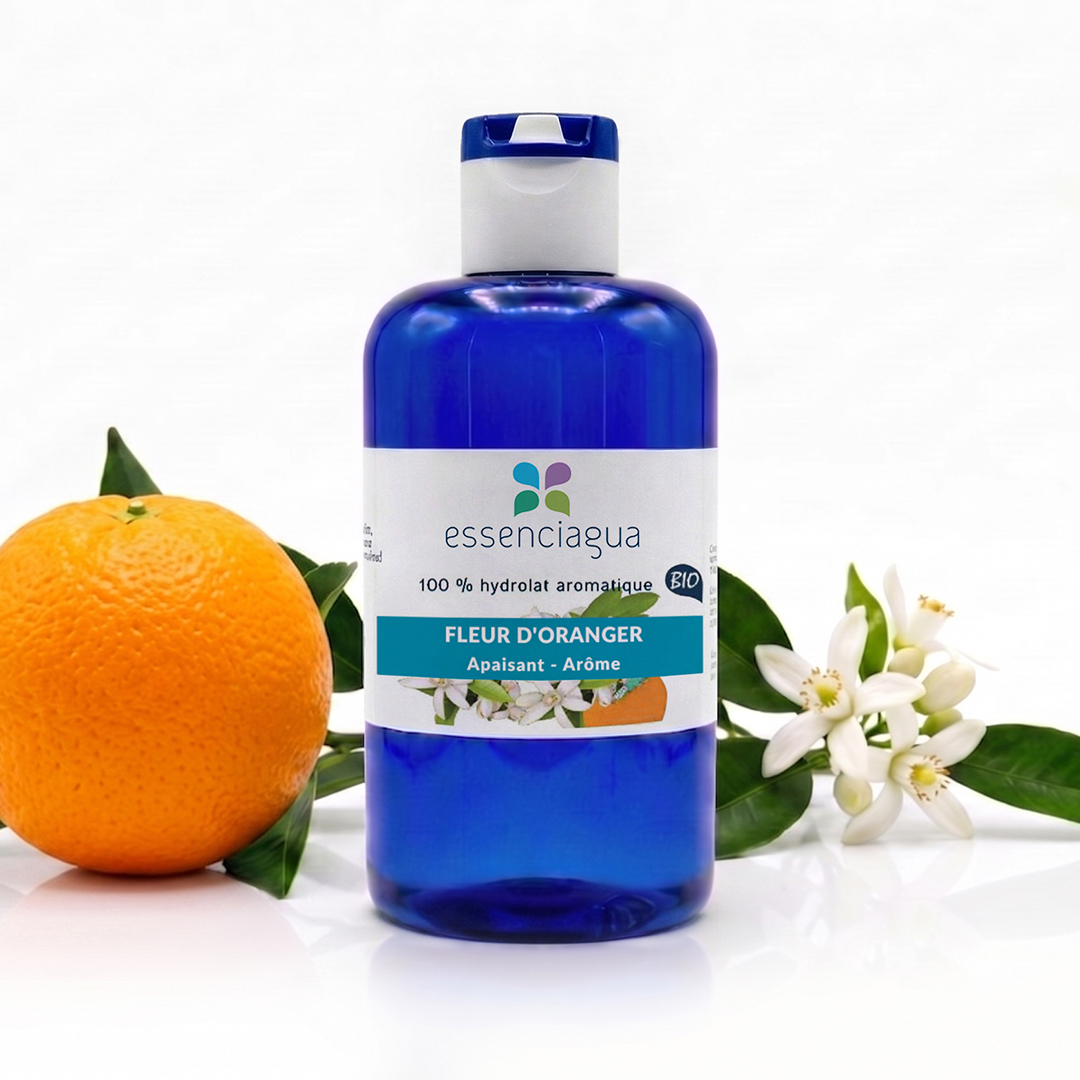
Essenciagua’s certified organic Orange Blossom Hydrolat is a natural, delicate essence, famous not only for its traditional use in patisserie, but also for its multiple benefits in aromatherapy and skin care. Distilled from fresh orange blossom, this hydrosol is a treasure trove of gentleness and effectiveness. Well-known to pastry chefs, Orange Blossom hydrosol has many interesting culinary uses. Orange Blossom hydrosol goes very well with drinks, fruity and milky desserts, pastries and...
Voir la ficheQuestions / Réponses
What is Neroli in English?
Which essential oil can replace Neroli?
What is the difference between neroli and orange blossom?
What does neroli smell like?
Is neroli the same as petitgrain bigarade?
How to use Neroli?
What are the benefits of neroli essential oil?
Un bonheur. Un doux parfum très net. Enfin une huile essentielle où aucune autre odeur agressive ne se mêle à l'essence. Une seule goutte dans la pâte à crêpe et c'est délicieux. Bravo et merci.
RAVIE ! Parfum apaisant envoûtant !
MERCI ?
Une des mes amies passe une période de stress , je lui ai conseillé de se mettre une goute d’HE sur les poignets, elle a acheté une des marques en para comme pranarome c’est pas mal mais quand vous sentez la différence d’odeur avec la Essenciagua… bon y a pas photo, elle est certes un peu plus cher mais l’intensité de l’odeur de l’essenciagua vaut largement le surplus.
Produit de qualité. Je recommande !
j'adore l'odeur et l'effet que cela me procure, une pure merveille
J'adore utiliser cette huile à la fois en aromathérapie et en cosmétique. C'est de bonne qualité.
C'est ma première huile de Néroli, je n'ai rien avec quoi la comparer. Mais l'arôme est incroyable, je peux sentir son effet sur mon état.
Cette huile essentielle sent délicieusement bon. Bravo pour la qualité de vos produits !
un produit de tres haute qualite, tres doux et fruite.
E' un'olio che dal punto di vista metaforico indica il lusso e la bellezza. Aiuta molto per poter aprirsi al flusso dell'abbondanza! Da Essenciagua ho trovato un'ottima qualità al prezzo accessibile.
Pour qui apprécie l'odeur de fleur d'oranger, ce Néroli, c'est une Merveille. Elle est terriblement addictive, sa puissance olfactive est remarquable. J'en avais testé une autre marque, pas convaincue par l'odeur. J'ai réitéré avec celle d'Essenciagua, et là, révélation ! Une HE qui est chère, mais une goutte sur les poignets suffit pour profiter de son incroyable puissance et efficacité. Idéale pour les angoissés en journée et les insomniaques. En outre, son parfum est tellement agréable !!
Excellent produit de qualité exceptionnelle. Ma madeleine de Proust
C'est quoi le Néroli en français ?
Le Néroli en français désigne l'huile essentielle obtenue par la distillation à la vapeur d'eau des fleurs du bigaradier ou orange amère. L'huile essentielle de Néroli est très appréciée en aromathérapie pour ses multiples vertus, notamment apaisantes, régénérantes et anti-stress. Elle est également utilisée en parfumerie pour son parfum délicat et floral.
Quelle huile essentielle peut remplacer le Néroli ?
L'huile essentielle de Petit Grain Clémentinier est souvent utilisée comme une alternative à l'huile essentielle de Néroli. Elle présente des propriétés similaires en matière de relaxation et de soulagement du stress. Toutefois, il est important de noter que, bien qu'elles proviennent du même arbre (le bigaradier), l'huile de Petit Grain Bigarade est extraite des feuilles et des branches, tandis que l'huile de Néroli est extraite des fleurs. De ce fait, leur parfum et leurs effets spécifiques peuvent varier. D'autres alternatives possibles sont les huiles essentielles de lavande fine, de mélisse, de verveine citronnée, d'ylang ylang. Cependant, aucune huile essentielle ne peut parfaitement remplacer le Néroli, qui se distingue par son arôme unique.
Quelle est la différence entre le néroli et la fleur d'oranger ?
Le Néroli et la Fleur d'Oranger désignent les deux produits issus de la distillation des fleurs du même arbre, le Bigaradier. Le Néroli est le raccourci de huile essentielle de Néroli alors que Fleur d'Oranger désigne l'hydrolat (ou eau florale) de Fleur d'Oranger.
L'huile essentielle de Néroli comme toute huile essentielle est composée à 100% de molécules aromatiques alors qu'on en retrouve environ 0.3% dans l'hydrolat. L'huile essentielle est donc beaucoup plus concentrée et présente donc des propriétés plus fortes. Huile essentielle et hydrolat peuvent par ailleurs être associés dans l'utilisation.
Quelle odeur dégage le néroli ?
L'huile essentielle de Néroli, extraite des fleurs de l'oranger amer, dégage une odeur unique et délicieusement parfumée. Cette senteur est souvent décrite comme étant florale, douce et légèrement épicée avec des notes d'agrumes. Elle est réputée pour son caractère apaisant et envoûtant. Ainsi, l'huile essentielle de Néroli est non seulement appréciée pour ses bienfaits thérapeutiques, mais aussi pour son arôme enchanteur.
Le néroli est-il la même chose que le petit grain bigarade ?
Non, le néroli et le petit grain bigaradier ne sont pas la même chose. L'Huile Essentielle de Néroli est distillée à partir des fleurs de l'oranger amère, également connu sous le nom de Citrus Aurantium, tandis que l'huile essentielle de petit grain bigarade est obtenue par distillation des feuilles de ce même oranger amer, également appelé bigaradier. Bien que tous deux proviennent de la famille des agrumes et possèdent des propriétés aromatiques uniques, leurs parfums, utilisations et bienfaits sont distincts.