



The Plant

Plant part: Seeds
Origin: European Union
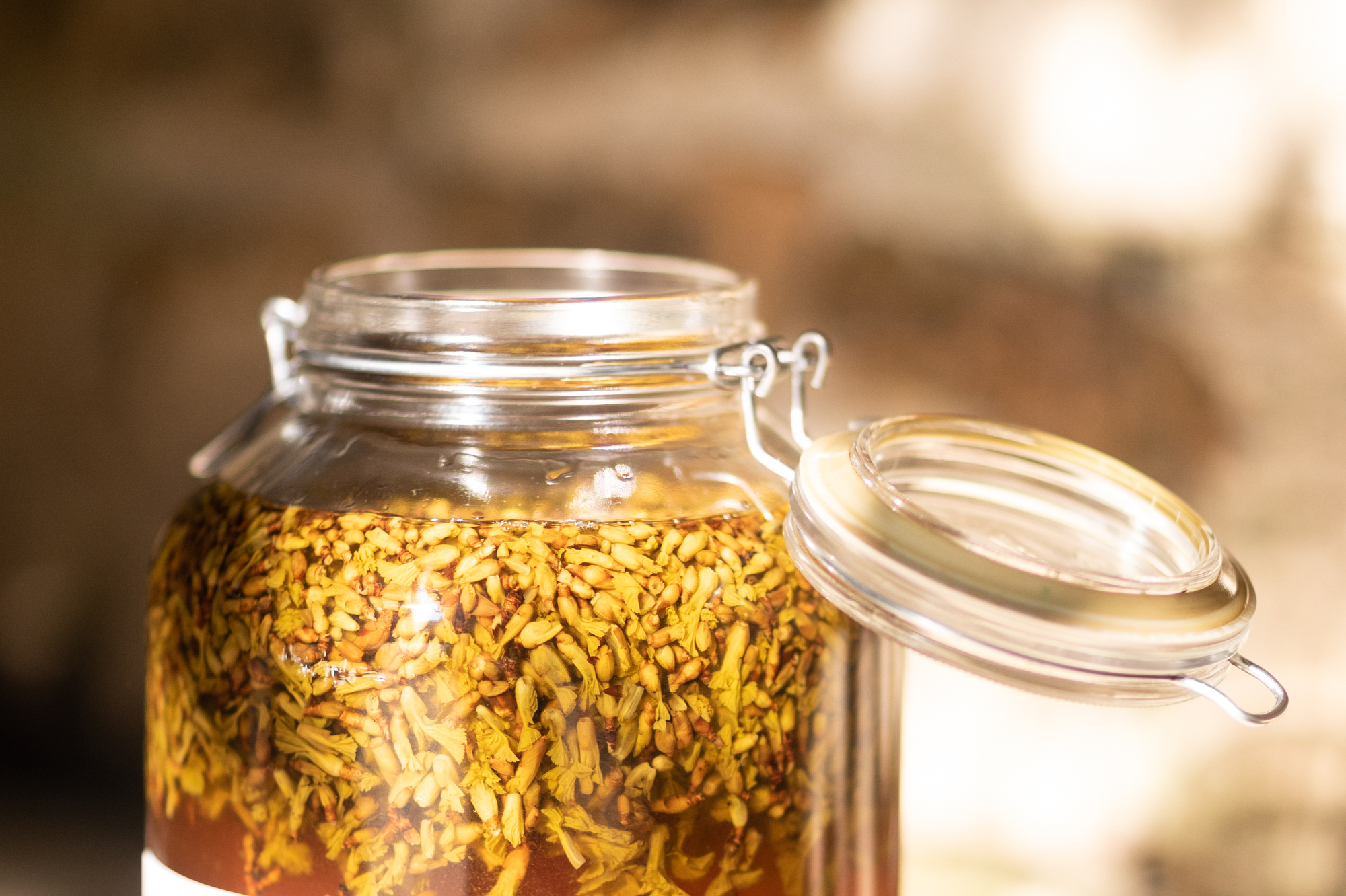
Coriander is a herbaceous plant of the Apiaceae family (formerly called Umbelliferae), 20 to 60 cm high, widespread and cultivated throughout Europe and America. Mentioned in the Bible, Coriander was one of the first aromatic plants used by man. In the Middle Ages and Renaissance, Coriander seeds were commonly used in the preparation of culinary dishes, medicines and aphrodisiac potions. All parts of the plant can be used. Its antiseptic and antiputrid action justifies its use to preserve meat in hot countries. Today, it is used to aid digestion.
What are the benefits of Coriander?
Coriander is a plant with numerous benefits for digestive health. Its anti-inflammatory and antispasmodic properties can help alleviate bloating and difficult digestion. Indeed, Coriander seeds contain enzymes that promote digestion by helping to break down food more easily. Coriander can also help reduce intestinal gas and relieve stomach cramps. Thanks to its digestive virtues, Coriander is therefore a valuable ally for promoting good intestinal comfort and better digestion.


Common questions
How to use Coriander?
Coriander is an aromatic plant. In cooking, we use both the leaves and the seeds. Whether whole, powdered, fresh or dried, coriander can be eaten in any form.
Thanks to its carminative properties, Coriander is also widely used in phytotherapy and aromatherapy. Depending on the desired effect, it can be used :
- as a drink: as an infusion or hydrolat. It can be drunk on its own or in a mixture of herbs or hydrolat to aid digestion
- as an essential oil: Coriander Essential Oil can be diluted in a vegetable oil, then massaged into the stomach to aid digestion, or applied to the skin. A few drops of Essential Oil in a dish can give it a very pleasant fragrance.
- as a spray: Coriander Hydrolat can be used as a tonic to gently moisturize the skin.
What’s the difference between Parsley and Coriander?
While Coriander and Flat-leaf Parsley are both Apiaceae (Umbelliferae), they differ in fragrance and shape:
- Parsley has a sweeter fragrance than Coriander;
- Coriander leaves are rounded. Flat-leaf parsley, on the other hand, is pointed.
The Products

Coriander Hydrolate (Seeds) 100% Organic and Handcrafted
Essenciagua’s certified organic Coriander Hydrosol (Seeds) is a product delicately distilled from the ripe seeds of Coriandrum sativum. Native to the Mediterranean region and the Middle East, coriander has been used for centuries for both its aromatic seeds and its green leaves. Present in many cuisines around the world, this plant is also appreciated for its medicinal virtues. This hydrosol is renowned for its soothing effects on the digestive system, helping to relieve bloating, gas and...
View Details

Coriander Essential Oil (Seeds) 100% Organic and Handcrafted
Discover Essenciagua’s Coriander Essential Oil (Seeds), a certified organic product distilled by hand from wild plants. Coriander, an aromatic plant native to Mediterranean regions, is renowned for its fragrant seeds and medicinal properties. This Essential Oil, obtained by distilling coriander ( Coriandrum sativum ) seeds, offers a multitude of benefits. Coriander Essential Oil (seeds) is particularly appreciated for its digestive properties, helping to soothe gastric disorders such as...
View Details