




Essential oils are nature's treasures, offering a multitude of benefits for our well-being. However, it's important to be aware of certain precautions for use in order to use them safely and avoid any potential risks.
By following these 10 precautions for use, you can safely enjoy the benefits of essential oils. Don't hesitate to consult a health professional or aromatherapy specialist for personalized advice. Take care of yourself and your well-being naturally with essential oils!

Essential oils are extremely concentrated and powerful. It is therefore crucial to respect the recommended dosages when using them. Overuse can cause adverse reactions, including skin irritation, headaches or respiratory problems. Before using any essential oil, find out which dosages are right for you.

Before applying an essential oil directly to your skin, it's a good idea to carry out a skin tolerance test. Dilute a few drops in a neutral vegetable oil (such as sweet almond oil) and apply this preparation to the inside of your wrist. Wait 24 hours to observe any allergic reaction or irritation. In the event of redness, itching or burns, avoid using this essential oil on your skin.

Essential oils should never come into direct contact with eyes or mucous membranes, as they can cause severe irritation. In the event of accidental contact, rinse immediately with clean water for several minutes. If irritation persists, consult a health professional.

Some essential oils may present risks for pregnant women, infants and young children. Before using essential oils in these situations, it's best to seek the advice of a qualified healthcare professional. There are safe alternatives suitable for these people, so be sure to get the facts.

Essential oils may interact with certain medications. If you are taking medication, consult your doctor or pharmacist before using essential oils. They will be able to inform you about possible interactions and give you specific recommendations.

Ingesting essential oils is not recommended without medical advice. Essential oils are often used in aromatherapy by inhalation or cutaneous application, but ingesting them can present serious health risks. If you wish to use essential oils internally, consult a competent health professional.

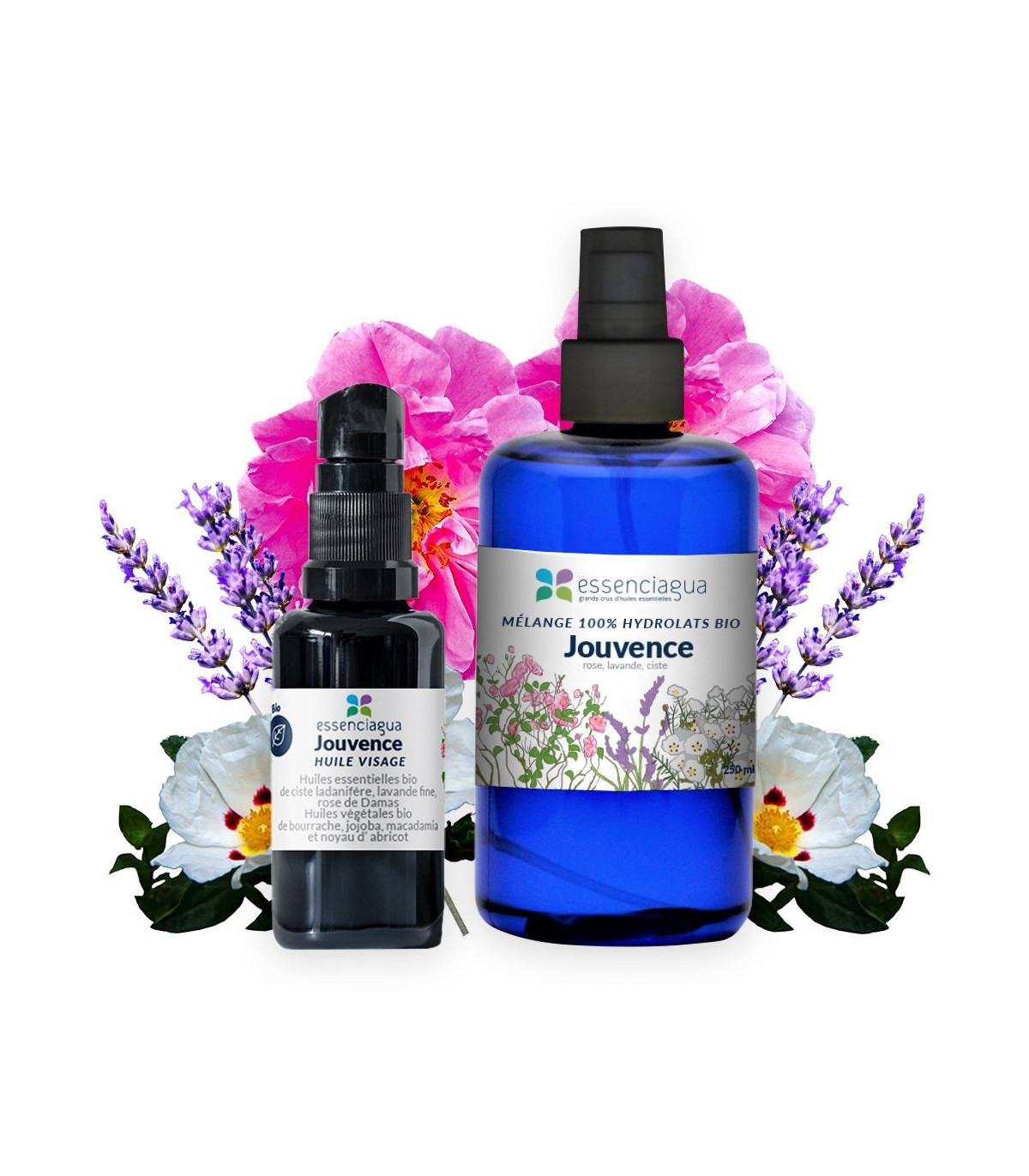
Essential oils should be stored in colored glass bottles, away from light and heat. Keep them in a cool, dry place, out of reach of children and pets. Be sure to close the bottles tightly after each use to prevent any alteration in their properties.

The quality of essential oils is essential to guarantee their effectiveness and safety. Choose certified organic essential oils from reliable sources. A quality essential oil will be pure, undiluted and derived from distillation or extraction that complies with the appropriate standards.

Every person reacts differently to essential oils. What works for one person may not be suitable for another. Be aware of your own reactions and adjust the use of essential oils accordingly. In case of doubt or adverse reaction, discontinue use and consult a health professional.

The use of essential oils requires specific knowledge. It's essential to get information from reliable sources and training from qualified professionals. You can follow aromatherapy training courses or consult specialized books to deepen your knowledge. Responsible use of essential oils requires in-depth knowledge of their properties and how to use them.