


The Plant

Plant part: Flower
Origin: France
A culinary aromatic, Sage officinale is also a precious ally in aromatherapy and phytotherapy. Sage officinale is a subshrub of the Lamiaceae family, about 70 cm tall. It thrives in dry, well-drained soil. It is often grown in gardens as a condiment plant, as an officinal plant, or simply for ornamental purposes, for the pleasure of contemplating its foliage and flowers.
The word sage comes from the Latin word “salvare”, meaning to save, to heal. The name itself evokes its properties. In ancient Rome, sage was used in religious ceremonies. It was believed to have various virtues, such as increasing longevity.
Powerfully aromatic, today Sage officinale is used for its anti-inflammatory and antiseptic properties. Sage hydrosol is also an excellent choice for relieving menopausal symptoms, with all their attendant discomforts.
What are the benefits of Sage officinalis?
The Sage officinalis is a plant with multiple benefits for the health of the body and mind due to its regulatory properties on sebum production, perspiration, and hormones.
Thanks to its astringent properties, the Sage officinalis can regulate excessive perspiration, particularly in the armpits and feet. This plant is also beneficial for women suffering from menstrual cycle disorders. By regulating hormones and promoting their balance, the Sage officinalis can help alleviate symptoms related to painful or irregular periods as well as menopause symptoms.


Common questions
How to use Sage ?
With its powerful, slightly bitter fragrance, Sage officinale is commonly used in cooking to season dishes, particularly meats. In aromatherapy and phytotherapy, Sage is renowned for its anti-inflammatory and antiseptic effects, as well as its effects on menopausal symptoms. Sage is used in several ways:
-Essential oil: although Sage essential oil exists, we have chosen not to market it, and recommend using Sage hydrolate instead.
-Hydrolat: Milder than Essential Oil, Sage Hydrolat is suitable for a number of uses. It is suitable for several uses:
1. cutaneous: Hydrolat can be applied to the skin to aid digestion, regulate excessive perspiration or sebum production for oily skin and hair;
2. orally: Hydrolat can be used pure or diluted internally, particularly for hormonal cycle disorders;
3. by diffusion or inhalation: it promotes relaxation.
-Infusion: Alone or in a blend of plants, Sage officinale can be consumed as an infusion. To do so, place a teaspoon of sage in a teapot, then pour in simmering water. Leave to infuse for a few minutes before drinking.
- Mother tincture: Sage mother tincture is mainly used for its digestive properties.
- Capsules or capsules: Sage officinale is also marketed as capsules or dietary supplements, to be used as a course of treatment.
The Products

100% organic, handcrafted sage hydrolate
Essenciagua’s certified organic Hydrolat de Sauge Officinale is a versatile and precious product for health and well-being. Distilled in France from Salvia officinalis, this plant is cultivated for its medicinal, culinary and beauty properties. Its rich aromatic compounds give it a warm, slightly bitter taste, while its Latin name “Salvare”, meaning “to save” or “to heal”, evokes its many virtues. Hydrolat de Sauge Officinale has anti-inflammatory and antiseptic properties, useful for...
View Details
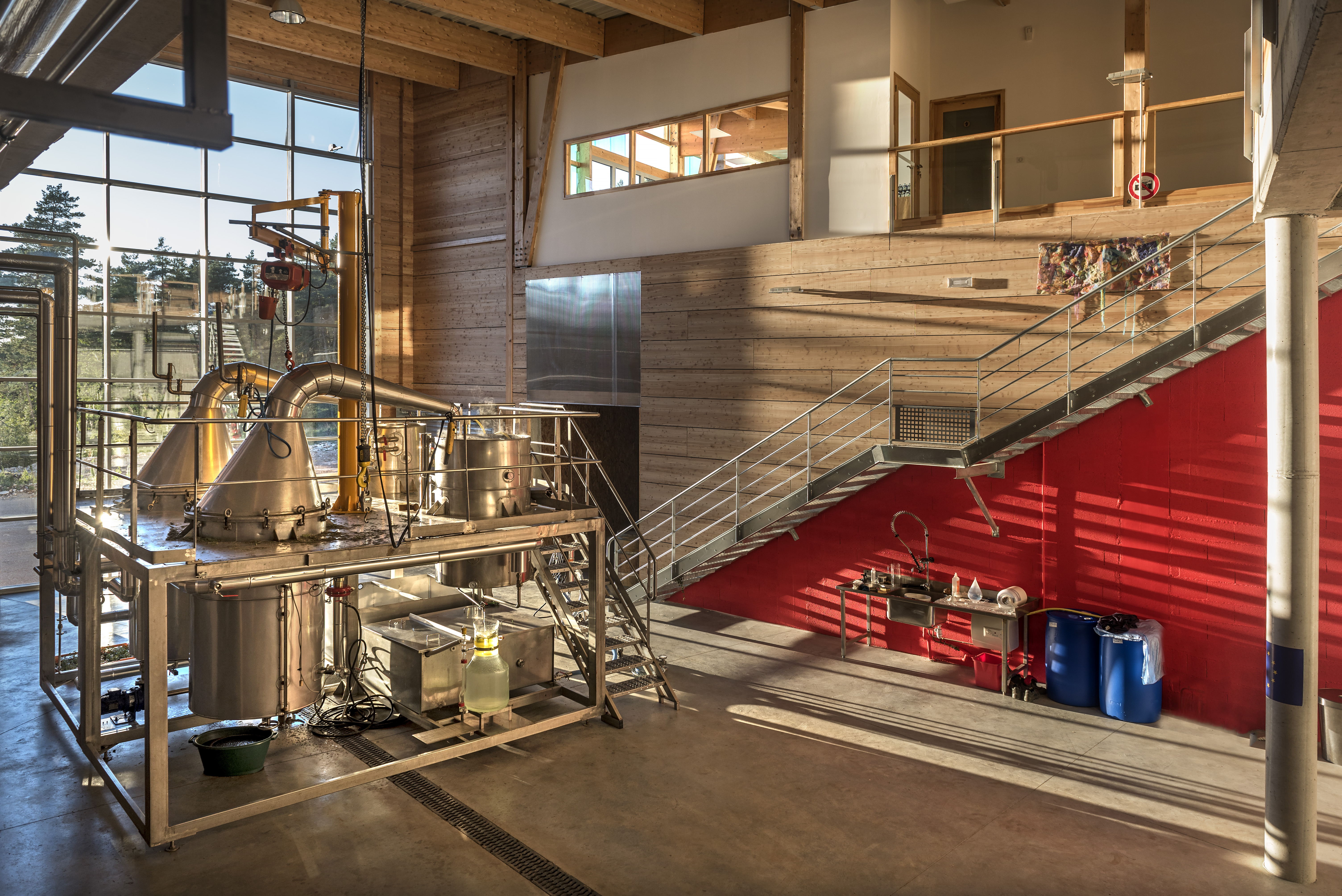
The images of the distillation


